Post Move Toy Reset: Calm Playroom in One Evening
10/10/2026
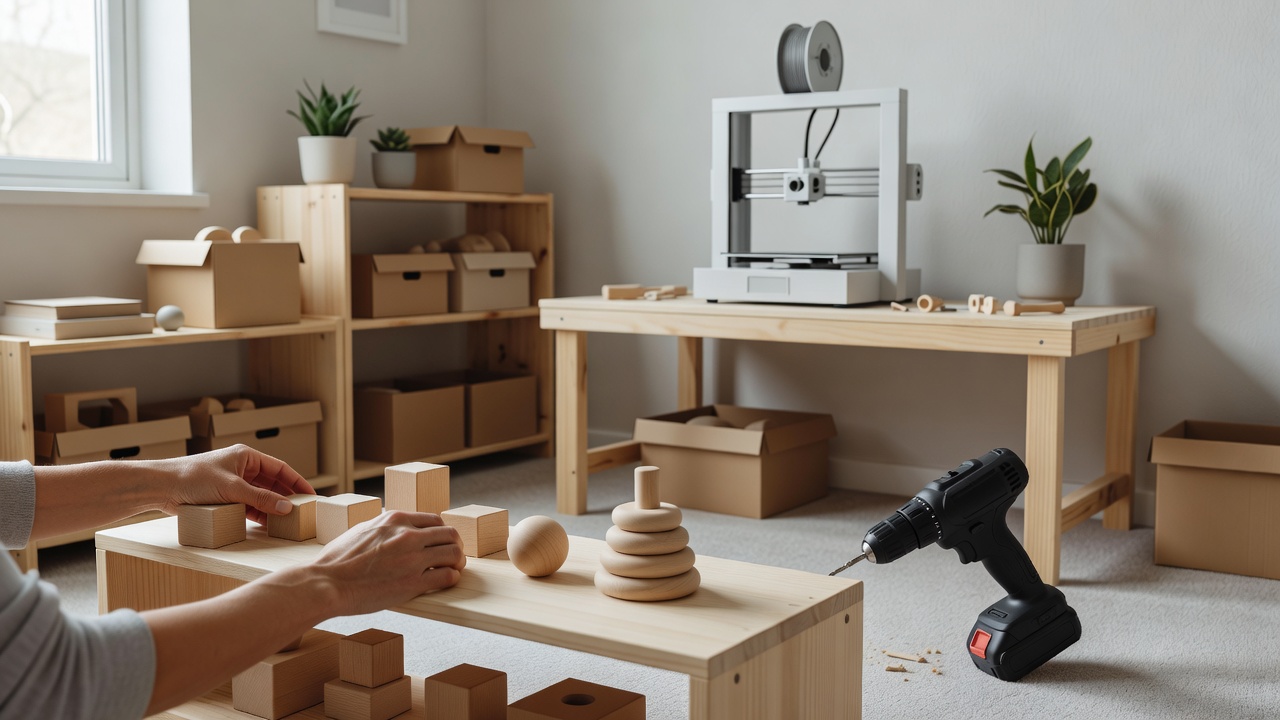
Post Move Toy Reset: Calm Playroom in One Evening
You just unpacked the last box and the playroom already feels off. Toys sit in random piles, nothing has a spot, and your toddler keeps asking where their favorites went. A post move toy reset fixes that without taking all weekend.
Key takeaways
- Sort and label in under two hours
- Create three simple zones that stay tidy
- Start a toy-rotation method right away
- Use one printable checklist to finish tonight
Sort Toys by Stage First
Begin with the boxes you opened last. Pull everything out in one area so you see the full pile. Group items by the age they actually fit right now, not the age on the box. This step saves time later because you avoid digging through mismatched toys every day. Parents often find that moving disrupts routines, so a quick stage sort brings order back fast.
- 0-6 months: soft rattles, teethers, and mirrors
- 6-12 months: stackers, push toys, and cause-effect items
- 12-18 months: simple puzzles and shape sorters
- 18-24 months: blocks and pretend play sets
- 2-3 years: art supplies and ride-ons
This quick sort prevents keeping toys your child has already outgrown. Developmental toy labels printable for quick sorting makes the next step even faster. Check labels for small parts that could pose risks, following Consumer Product Safety Commission toy guidelines to keep choices safer.
Decide What Stays and What Goes
Ask one question for each toy: Does it support real play right now? If the answer is no, set it aside. You will end up with three piles: keep, donate, and store for later. Moving often brings extra clutter from gifts or old favorites, so this decision point keeps only what earns its space.
- Keep only what fits current milestones
- Donate anything with missing pieces or broken parts
- Store outgrown items in clearly marked bins
A toy donation list printable you update monthly helps you track what leaves the house without second-guessing. Track each item by name and condition so donations feel purposeful rather than rushed.
Set Up Three Simple Zones
Pick spots that already exist in the room. One zone for active play, one for quiet play, and one for cleanup. Keep each zone under four feet wide so little hands can reach everything. After a move the room layout may feel new, so test the zones for a day before finalizing.
| Zone | Toys to Include | Reset Time | Benefit |
|---|---|---|---|
| Active | Ride-ons, blocks, balls | 5 minutes daily | Burns energy before naps |
| Quiet | Books, puzzles, soft toys | 3 minutes daily | Winds down before bed |
| Cleanup | Bins with labels | 2 minutes daily | Teaches putting away |
Start a Toy Rotation Method
Choose two bins for rotation this week. Put one bin out and store the other. Swap them every Sunday night. This keeps the floor clear and gives toys new life each week. Families who move frequently notice that rotation prevents the same toys from losing appeal after unpacking.
Compare the two approaches below to see what fits your space.
| Approach | Time to Set Up | Clutter Level After 1 Month | Best For |
|---|---|---|---|
| Custom toy rotation | 20 minutes | Low | Families who move often |
| Ready-made sets | 45 minutes | Medium | Parents who want one purchase |
See how custom toy rotation vs ready made sets calm daily play in real homes.
Match Toys to Developmental Milestones
After zones are set, cross-check each kept toy against current skills. A toy that once sparked joy may now sit unused if it no longer matches growth. Use the stages from the first sort to guide quick swaps during rotation. This matching step turns the reset into a tool that supports real progress instead of just tidiness.
- Watch for fine motor needs like grasping or stacking
- Note language moments with cause-effect or pretend items
- Track gross motor play with push toys or ride-ons
- Adjust every four to six weeks as skills shift
Parents report calmer days when toys align with milestones. Reference the CDC developmental milestones chart for quick reminders during your evening reset.
Run the 10-Minute Weekly Reset
Every Sunday, spend ten minutes doing these steps. It prevents the room from sliding back into chaos. The short time frame fits busy evenings after a move when energy is low.
- Walk the room and gather stray toys
- Return items to their labeled zone
- Swap one rotation bin
- Wipe surfaces with a damp cloth
- Note any broken pieces for next donation run
The same system works after illness too. Read how a post illness toy reset safe calm playroom recovery keeps germs from lingering on toys.
Review Safety Labels During the Reset
While sorting, pause to inspect every toy for current safety details. Labels change with age and recalls happen, so a quick check now prevents issues later. This review pairs naturally with the stage sort you already completed.
- Look for age recommendations on the package
- Check for small parts warnings
- Note material details like BPA-free or phthalate-free
- Set aside anything missing a label for further inspection
- Record items needing replacement on your checklist
Following American Academy of Pediatrics toy safety guidelines adds confidence without extra time. Many parents finish this review in the same two-hour window as the full reset.
Print the One-Page Checklist
Grab the printable reset checklist that comes with our guides. Check off each task as you go so nothing gets skipped. Parents who use it finish the whole reset before bedtime. Add notes about which toys your child reached for first so the next rotation feels even more targeted.
What to Skip During the Reset
- New storage bins you do not need yet
- Matching furniture sets that take hours to assemble
- Overly detailed labels that no one will read
Focus on function instead. Safer toy choices and cleaner play spaces come from simple habits, not extra gear.
Next Steps
- Print the checklist tonight and set a timer for two hours
- Choose your three zones before you start sorting
- Rotate the first two bins on Sunday
- Update the donation list once a month
- Revisit safety labels after the first week of play
FAQ
How long does a post move toy reset really take?
Most parents finish the full sort, zone setup, and first rotation in about 90 minutes when they follow the checklist.
Do I need special labels or bins?
No. Use what you already have and add developmental toy labels printable only if you want faster sorting next time.
What if my child has outgrown half the toys?
Pack the outgrown items in one bin for storage and add them to your monthly donation list printable.
Can this system work in a small apartment?
Yes. Limit each zone to one shelf or corner and rotate more often to keep the floor clear.
Where can I get the printable checklist?
Our instant download guides include the reset checklist plus stage-by-stage breakdowns so you can reuse the system for years.