Check Secondhand Toys for Hazards in Five Steps
8/29/2026
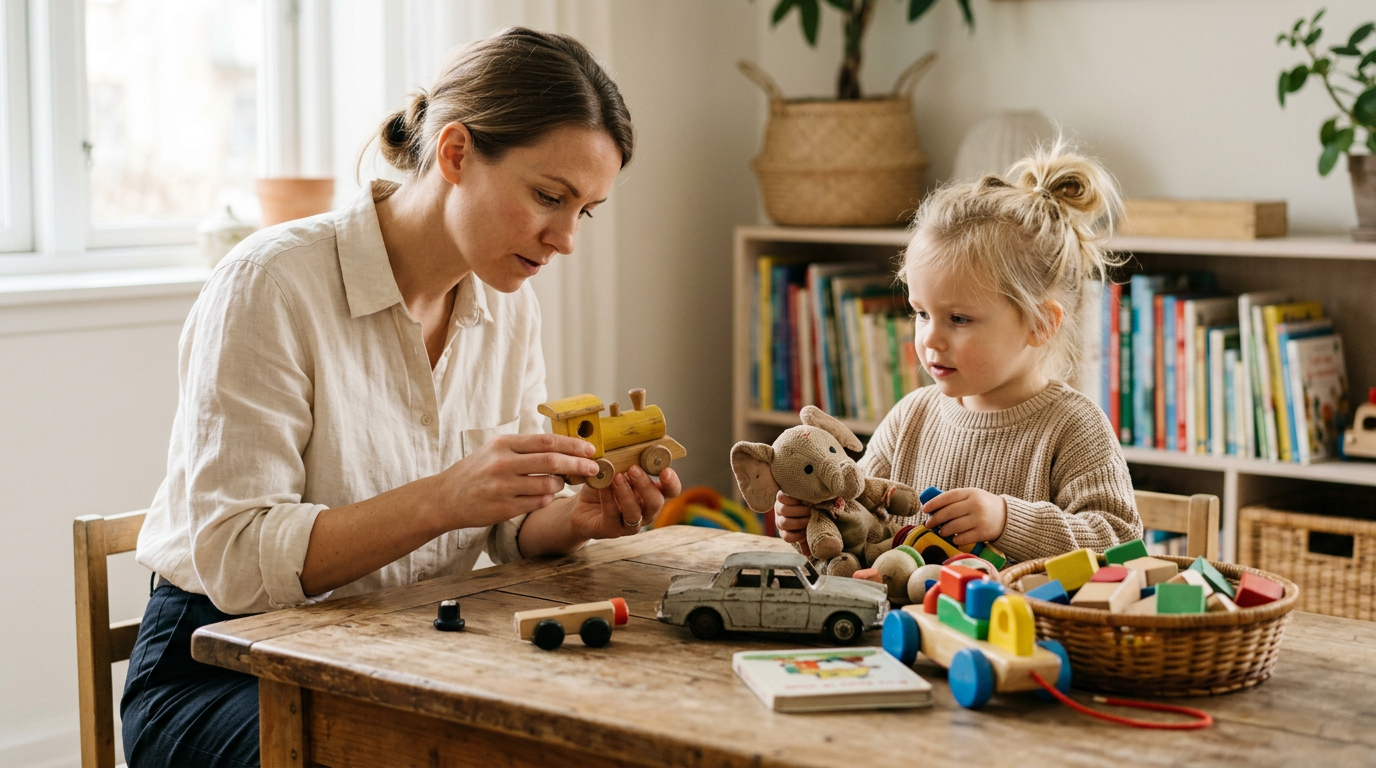
Check Secondhand Toys for Hazards in Five Steps
You just spotted a cute wooden truck at a yard sale. Before it lands in your playroom, you want to know it is safe. Checking secondhand toys for hazards takes only a few minutes and saves you from hidden problems later.
Key takeaways
- Always start with the label and age range
- Feel for sharp edges and loose parts
- Skip anything with recalled parts or broken mechanisms
- Clean and test before first use
- Rotate items so you never feel buried in toys
Why a Quick Check Matters for Busy Parents
Secondhand toys often carry small risks that new ones do not. A tiny crack can hide lead paint. A missing screw can turn into a choking hazard overnight. Taking five minutes now keeps your child safer and your play space calmer. Parents who shop secondhand save money yet still want the same peace of mind that comes with new purchases.
Many families find that a quick routine prevents later frustration. You avoid bringing home something that needs constant watching or ends up in the trash after one use. The same steps work whether you shop thrift stores, online marketplaces, or neighbor giveaways. Following Consumer Product Safety Commission guidelines gives you a reliable baseline for what counts as safe.
Step 1: Read the Label First
Look for the manufacturer name, age recommendation, and material list right away. Missing or faded labels often signal older items that may not meet current standards.
- Check for ASTM or CPSC marks
- Match the suggested age to your child
- Note any warning symbols about small parts
- Confirm country of origin if listed
- Look for date codes that show when the toy was made
If the label is gone, treat the toy as higher risk and move to the next checks with extra care. This first step takes less than thirty seconds yet rules out many problem items before you even pick them up.
Step 2: Inspect Every Surface and Joint
Run your fingers along edges and seams. Press gently on joints and wheels. You are looking for anything that could break or pinch small fingers.
- Smooth wooden edges with no splinters
- Secure screws that do not wiggle
- Fabric seams that stay closed after a gentle tug
- No peeling paint or stickers
- Rounded corners on all hard pieces
- No gaps where small fingers could get stuck
A simple rule: if it feels rough under your thumb, it will feel rough to a baby too. Spend an extra minute on any moving joints because those areas wear fastest in secondhand items.
Step 3: Test Moving Parts and Sounds
Batteries, springs, and squeakers hide the most common secondhand problems. Open and close every door, press every button, and shake the toy.
- No sharp clicks or sudden releases
- No loose batteries that can fall out
- No tiny pieces that detach during play
- Sound volume that stays gentle
- Springs that return smoothly without sticking
- Wheels that roll straight without wobbling
Compare similar items before you buy so you know what a working version should feel like. Testing takes under a minute and catches defects that only appear when the toy is actually used.
Step 4: Check for Recalls and Materials
Search the item name plus the word "recall" on the CPSC site before you leave the sale. Older plastic toys may contain phthalates that current rules limit.
| Material | Quick Test | Safer Choice? |
|---|---|---|
| Painted wood | Wipe with a damp cloth | Yes if color stays |
| Soft plastic | Bend and sniff | Skip if strong chemical smell |
| Fabric with stuffing | Squeeze and listen | Skip if pellets shift |
| Metal cars | Check for rust spots | Yes if clean and smooth |
This table helps you decide in under thirty seconds. Use the official recall search tool on your phone while you are still at the sale so you can walk away if anything shows up.
Step 5: Clean Thoroughly and Decide Where It Lives
Wash or wipe everything with mild soap and water. Let it dry completely. Then ask one final question: does this toy support a real milestone or just add to the pile?
- Use newborn safety checklists as a quick reference
- Place the toy in your current rotation zone
- Store the rest in a labeled bin for later months
- Wipe battery compartments with a dry cloth
- Air out fabric items in sunlight for an hour
A weekly reset keeps everything feeling light. Try our simple playroom checklist to make the habit stick.
Matching Toys to Developmental Stages
Once a toy passes your checks, think about how it fits your child right now. A toy that is safe but too advanced can still create frustration or clutter.
- 0-6 months: high-contrast rattles and soft teethers
- 6-9 months: simple stacking cups and rolling balls
- 9-12 months: push toys and cause-effect items
- 12-18 months: shape sorters and large blocks
- 18-24 months: pretend play sets with bigger pieces
- 2-3 years: simple puzzles and ride-on toys
Parents who match items to stages report calmer playtimes because each toy actually gets used. You can always store safe finds for later months instead of keeping everything out at once.
What to Skip Buying Used
Some items are never worth the risk no matter how cute they look.
- Crib toys with cords or elastic bands longer than 12 inches (ASTM F963, the mandatory US toy safety standard under 16 CFR part 1250)
- Soft toys with beaded eyes or loose ribbons
- Battery toys missing the original cover
- Anything marked for children under three with small detachable parts
- Painted items from before 1978
- Items with sharp metal edges or broken hinges
- Stuffed animals with strong musty odors
When in doubt, leave it. Safer toy choices keep play joyful instead of stressful.
Conclusion
You now have a repeatable five-step process that fits into any busy afternoon. Start with the label, move through the physical checks, and finish with a quick recall search. Your next step is simple: pick one secondhand toy this week and run it through these steps.
Next steps
- Grab a notepad and list the five checks before your next outing
- Practice the label and surface steps on one toy at home tonight
- Bookmark the CPSC recall page on your phone
- Choose one age-appropriate item to hunt for this weekend
- Set up a small bin for checked and cleaned finds
You will quickly see which finds are keepers and which ones belong back on the shelf.
FAQ
How often should I check secondhand toys for hazards?
Run the five steps every time you bring a new item home. A quick look once a month catches any wear that develops during play.
Can I trust thrift-store cleaning methods?
Soap and water remove most surface dirt. For fabric items, a gentle machine cycle on cold followed by air drying works well. Always check seams again after washing.
What if the toy has no label at all?
Treat it as higher risk. Skip it for babies under twelve months or use it only under direct supervision for older toddlers.
Are wooden toys safer than plastic ones secondhand?
Not automatically. Solid wood without paint is often easier to inspect, but painted wood from older decades may contain lead. Always do the wipe test.
Where can I find current recall information?
Visit the official CPSC recall page at https://www.cpsc.gov/recalls for the latest lists. Bookmark it on your phone for quick checks at sales.