Daily Toy Check Routine That Spots Wear in Five Minutes
10/29/2026
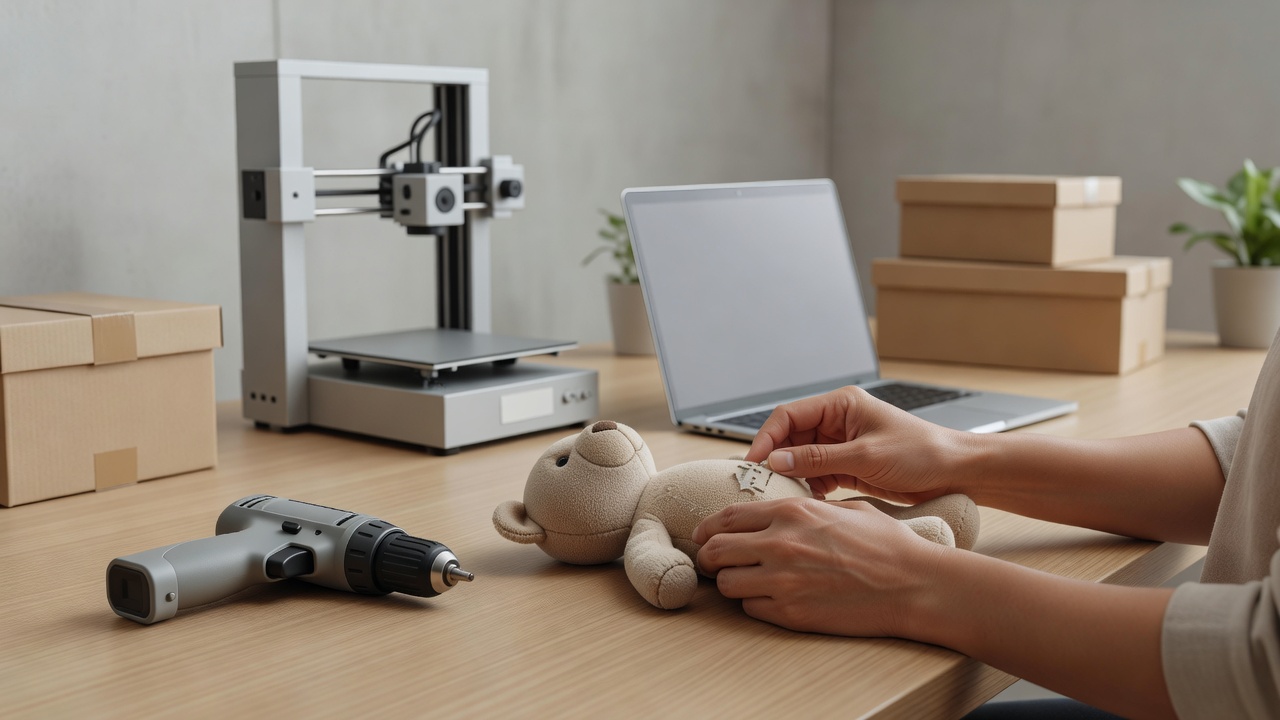
Daily Toy Check Routine That Spots Wear in Five Minutes
You know the moment when a toy suddenly shows a crack or a loose part right as your toddler reaches for it. A quick daily toy check routine catches those small problems before they grow. It takes five minutes once you know the steps, and it fits right into the end of playtime.
Key takeaways
- Spot wear on toys before it becomes a hazard
- Use the same five-minute scan every day
- Keep play calmer by removing issues early
- Pair the routine with simple rotation to cut clutter
What a Daily Toy Check Routine Actually Looks Like
Start at the same time each evening after toys go back on shelves. Walk the room once, pick up each toy, and run your hands over it. The goal is to notice changes before they matter. Parents who skip this step often find themselves dealing with sudden hazards during busy mornings, while those who keep the habit report fewer toy-related interruptions overall.
- Check every toy your child touched that day
- Focus on edges, joints, and small pieces first
- Set aside anything that feels off
- Wipe surfaces while you scan
- Return only the safe ones to the rotation
This habit keeps the play space lighter without extra bins or big cleanups. Over a week the pattern becomes clear, and you start to predict which items need attention soonest.
Five-Minute Safety Scan Steps
Break the scan into five quick passes so it never drags. You move fast because you repeat the same order each time. The first pass catches surface problems, while later ones reveal hidden issues like internal rattles or weak joints that could separate during play.
- Run fingers along seams and edges
- Squeeze soft parts to feel for tears inside
- Shake rattles and blocks to hear loose bits
- Tug gently on strings or wheels
- Look at paint and labels for peeling
Do this while you already have the toys in hand. It becomes automatic after a few days. Many families notice the routine also doubles as a quick reset that leaves the room feeling calmer before bedtime.
Signs of Wear to Catch Early
Not every mark needs action, but some changes do. Here is what to flag during your daily toy check routine. Early detection often prevents small problems from turning into bigger ones that require full toy replacement.
- Cracks that catch a fingernail
- Fabric fraying at corners
- Battery doors that no longer snap shut
- Stickers lifting at the edges
- Wheels that wobble when spun
- Paint that flakes when rubbed
Remove those toys right away and decide later if they can be fixed or recycled. Cross-check any suspect item against the Consumer Product Safety Commission toy safety guide before returning it to shelves.
How the Routine Fits With Toy Rotation
A daily check pairs naturally with a simple rotation system. You already handle toys at the end of the day, so the scan adds almost no time. The rotation keeps high-use items from wearing out faster than others, and the quick scan reveals exactly which pieces are ready to cycle out.
Learn the full rotation method in our PDF Play Guide That Cuts Clutter for First-Year Parents. It shows how to move items in and out without extra effort.
Quick Checks by Toy Type
Different toys show wear in different places. Keep this short list handy until the routine feels natural. Wooden items tend to develop splinters first, while fabric toys reveal stitching problems after repeated washing or chewing.
- Wooden blocks: look for splinters and loose paint
- Soft books: check stitching on every page
- Stacking rings: test the center post for cracks
- Push toys: inspect the handle grip daily
- Plush animals: feel for exposed stuffing
- Shape sorters: shake to confirm no pieces inside
You cover the main categories in under two minutes once you know the spots. Edge cases like battery-operated lights or magnetic sets require an extra ten-second shake test to catch internal shifts.
Comparison: Daily Scan vs Monthly Deep Clean
| Approach | Time per session | Items caught | Best for |
|---|---|---|---|
| Daily toy check routine | 5 minutes | Small cracks, loose parts | Everyday safety |
| Monthly deep clean | 30-45 minutes | Hidden dirt, battery corrosion | Big resets |
| One-time audit | 2-3 hours | Overall clutter | Seasonal changes |
The daily version prevents the need for long monthly sessions most weeks. Families who combine both approaches find the monthly clean becomes faster because daily attention stops dirt and damage from building up.
Adjusting Your Scan for Toddler Milestones
As your child moves through stages, the daily toy check routine shifts focus slightly. Babies under one year chew more, so seams and soft edges matter most, while toddlers test wheels and small parts during active play. This adjustment keeps the five-minute window intact while matching real developmental needs.
- 0–6 months: prioritize teething surfaces and fabric integrity
- 6–12 months: add checks for small detachable pieces
- 12–18 months: watch for wheel wobble and handle grip wear
- 18–24 months: scan for paint chipping on stacking toys
- 2–3 years: focus on battery compartments and joint strength
These stage tweaks come from watching how children actually use the toys rather than generic lists. Pairing the scan with milestone tracking helps you retire items at the right time instead of guessing.
Link the Scan to Safer Material Choices
While you check, you also notice which materials hold up best. This helps you pick replacements that last longer and stay calmer in daily use. Parents often discover that natural wood and thick fabric outlast plastic with moving parts when both receive the same daily attention.
See our guide on how to choose safe toy materials in under five minutes for quick label checks you can run at the same time. You can also review the American Academy of Pediatrics toy safety tips for age-specific material guidance that aligns with your scan findings.
Printable Checklist You Can Use Tonight
Print or copy this short list and tape it near the toy shelf.
- Seams and edges smooth
- No loose pieces inside
- Battery cover secure
- Paint intact
- Wheels turn evenly
- Fabric not frayed
- Labels readable
Mark it off in under a minute after the scan. Parents who use a checklist stay consistent longer and often spot patterns across weeks that help them plan future purchases.
Common Mistakes That Slow the Routine
Most parents add extra steps at first. Skip these to keep the five-minute promise.
- Inspecting every toy even when untouched
- Stopping to clean instead of just scanning
- Saving notes on a phone instead of a printed list
- Checking in the middle of play instead of after
Stick to the order and the time stays short. The biggest time saver is keeping the checklist visible so you never pause to remember the next step.
Run a Shared Playroom Toy Audit Next
Once the daily habit is set, move to a bigger reset when siblings share the space. Our shared playroom toy audit guide gives you the one-evening steps that build on your quick scan.
Next Steps
- Start the daily toy check routine tonight with the five passes above
- Print the checklist and keep it by the shelf
- Note which three toys show wear first so you can replace them sooner
- Track how the play space feels after one week of consistent checks
You will see fewer surprises and calmer evenings within days. The routine becomes second nature faster than most parents expect.
FAQ
How long does the daily toy check routine really take?
Most parents finish the full scan in four to six minutes once they repeat the same order every evening.
What if I find wear on a favorite toy?
Set it aside for the night, then decide whether to repair, recycle, or replace it the next day.
Can I do the check in the morning instead?
Evening works best because you already handle toys at cleanup time, but morning is fine if that fits your schedule better.
Do I need special tools for the scan?
No. Your hands and eyes are enough. A small flashlight helps only if your play space is very dim.
How often should I update the checklist?
Review it once a month and add any new wear signs you noticed that week.