Shared Playroom Toy Audit: One Evening Calm Reset
10/19/2026
Shared Playroom Toy Audit: One Evening Calm Reset
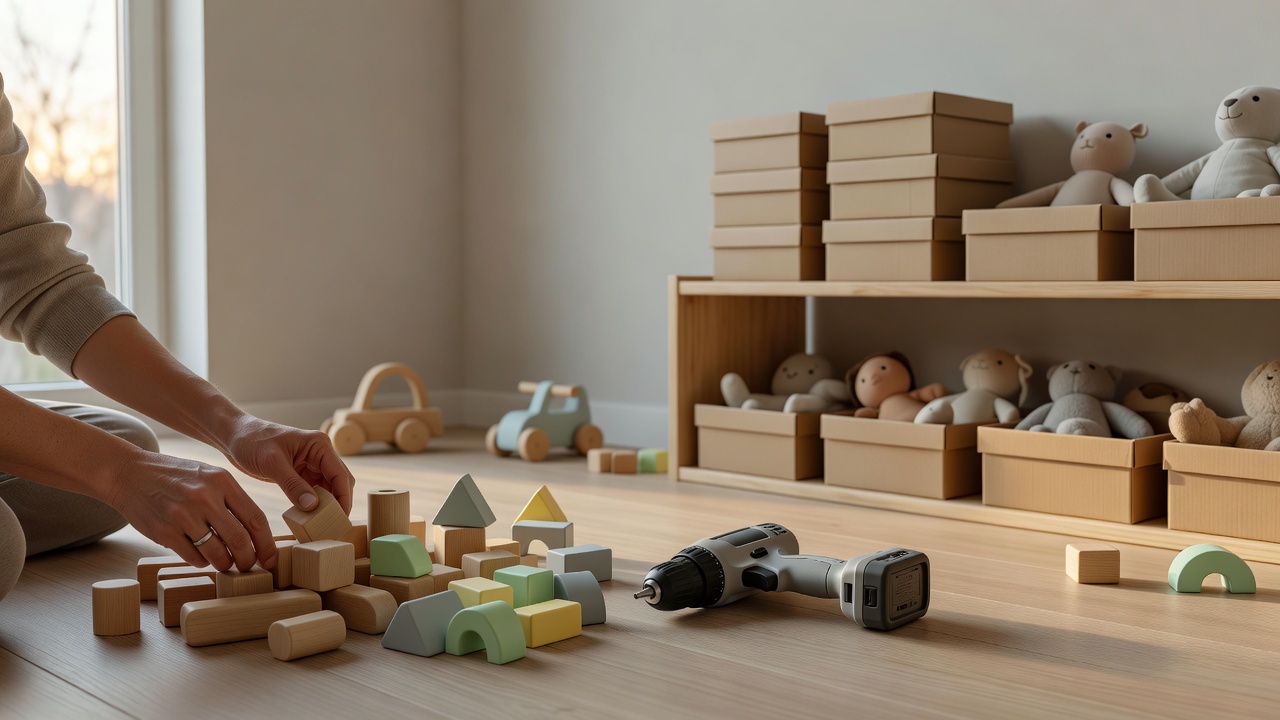
You walk into the playroom and feel the weight of too many toys mixed together. A shared playroom toy audit fixes that fast when you focus on what stays, what rotates, and what goes.
Parents with more than one child often end up with duplicate blocks, extra cars, and piles that no one plays with. One focused evening changes the space without buying a single new bin. You end up sorting through items that have sat untouched for months while the ones your kids actually reach for stay buried.
Key takeaways
- Audit once, then use a short weekly reset
- Sort by zones instead of age piles
- Cut sibling toy overlap with clear rules
- Print a checklist so you finish before bedtime
Why Shared Spaces Need This Audit
Shared rooms collect overlap fast because each child brings their own favorites. You end up with three sets of stacking cups and no clear spot for books. The result is constant cleanup that never quite finishes and kids who lose interest because nothing feels organized.
A quick audit shows you what actually gets used. Most families find they can remove 30 percent of the items and still have plenty for every stage. This leaves room for the toys that match current milestones instead of ones that only worked last year.
Tools You Need Before You Start
Grab these five things so the evening stays simple:
- Two laundry baskets labeled Keep and Donate
- Painter’s tape for quick zone lines
- A marker and blank labels
- Your phone for quick photos of current setup
- The printable checklist from our post move toy reset guide
Add a timer on your phone set for 90 minutes so the project does not stretch into the night. Keep a small notebook nearby for quick notes on what each child plays with most often.
Step-by-Step Shared Playroom Toy Audit
Follow these six moves in order and you finish in about 90 minutes.
- Empty every bin onto the floor in one big pile.
- Group items by type: blocks, vehicles, soft toys, books, pretend play.
- Pull out anything broken or missing pieces first.
- Check age labels on the rest and set aside anything too young or too old.
- Decide on rotation piles for items used less than once a week.
- Place keepers into new zone spots.
Work in 15-minute bursts if the pile feels large. Take photos before you start so you can see progress and remember where favorite sets belong.
Handling Sibling Toy Overlap
Overlap creates fights and clutter. Use these four rules to cut duplicates:
- Keep only one set of popular items like Magna-Tiles or train tracks.
- Rotate the second set every two weeks.
- Label personal favorites with colored tape so each child knows their own.
- Store shared items in the middle of the room.
See how other parents solved this exact problem in our twin toy setup guide. When overlap stays low, kids spend more time playing together instead of arguing over the same toy.
Setting Up Calm Zones with Labels
Zones stop toys from drifting everywhere. Pick three main areas:
- Floor play zone for big items
- Table zone for fine motor work
- Quiet corner for books and soft toys
Print simple zone labels and tape them low so kids can help reset. This matches the system in our imaginative play toys guide. Clear zones also make it easier to notice when a toy no longer fits the space.
Linking the Audit to Developmental Play
Once zones are set, match toys to real skills. Blocks support building and counting while pretend items help language growth. Vehicles encourage movement and turn-taking practice.
Review each keeper item against simple milestones for your children’s ages. Remove anything that no longer challenges them or feels too advanced. This step turns the audit into more than cleanup—it becomes a quick check on what supports growth right now.
10 Minute Weekly Reset Routine
After the big audit, keep the room calm with this short loop:
- Sunday evening, walk the room once.
- Return strays to their zones.
- Swap one rotation bin if needed.
- Wipe surfaces and check for broken pieces.
Do it every week and you never need another full audit for months. The routine fits between dinner and bedtime stories without extra effort.
Printable Checklist for Your Audit
Use this list while you work:
- Broken or incomplete toys removed
- Age-inappropriate items set aside
- Duplicates reduced to one set
- Rotation items boxed and dated
- Zones marked with tape and labels
- Floor cleared of small pieces
- Donation pile ready by the door
- Photos taken of final layout
- Labels checked for spelling and placement
Update the toy donation list printable each month so giving stays easy. The extra checklist items keep you from rushing past small details that matter later.
Quick Comparison of Toy Categories
| Category | Keep Rule | Rotate Rule | Donate Rule |
|---|---|---|---|
| Blocks | One complete set | Second set every 3 weeks | Missing pieces or too small |
| Vehicles | 8–10 favorites | Seasonal swaps | Duplicates or broken wheels |
| Pretend play | Core kitchen and dolls | Extra outfits only | Worn or missing parts |
| Books | 20 current favorites | Swap monthly | Board books with bites |
Where to Check Safety During the Audit
Look at labels for ASTM and age warnings while you sort. The Consumer Product Safety Commission lists current recalls you can scan in two minutes. The American Academy of Pediatrics also gives simple checks for small parts and strings. Spend two minutes on each category so nothing unsafe slips back into rotation.
Conclusion
You now have a calmer shared playroom and a system that lasts. Start tonight with the checklist, then run the 10 minute routine each week. Your next step is simple: print the labels, set a timer for 90 minutes, and finish before the kids wake up tomorrow.
Next steps
- Download the printable checklist tonight
- Choose your three zones before dinner
- Run the full audit this week
- Add the weekly reset to your Sunday routine
- Note one toy each child reaches for most often
FAQ
How often should I repeat a shared playroom toy audit?
Once every four to six months works for most families. The weekly 10 minute reset keeps things steady between big audits.
What if my kids have very different ages?
Group items by current use, not birth year. Keep one set of each popular toy and rotate the rest so both ages stay happy without overlap.
Can I do the audit without printing anything?
Yes, but the checklist and zone labels speed you up. You finish faster when you see the plan on paper instead of guessing.
Where do the donation items go?
Local shelters, daycares, or toy libraries usually take clean, complete sets. Update the donation list each month so nothing sits in a bag for weeks.
Does this system work in small apartments?
It works even better. Fewer zones mean quicker resets and less floor clutter when every toy has one clear home.