How to Set Up One Toy Focus Play for Babies
10/27/2026
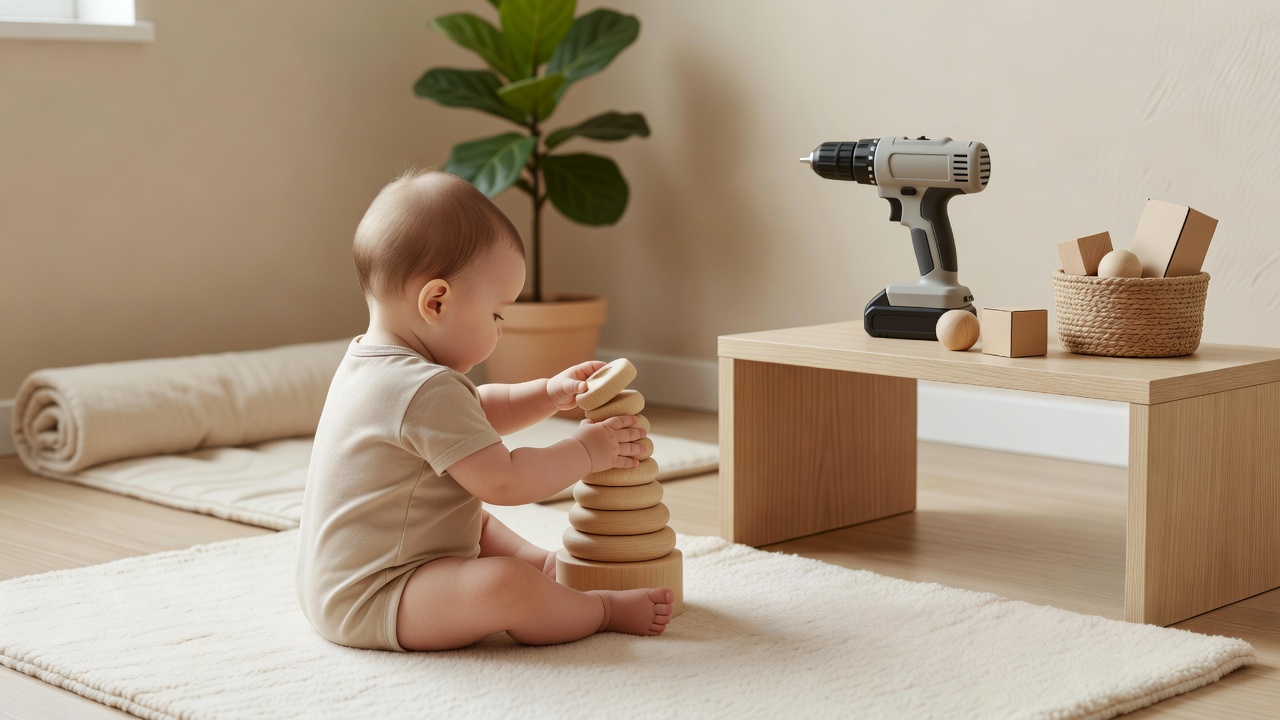
How to Set Up One Toy Focus Play for Babies
You sit down with your baby and a single toy. Within minutes the room feels lighter and your little one stays engaged longer than you expected. That is the heart of one toy focus play for babies.
Parents often juggle too many options at once. A focused session cuts the noise and gives both of you a clear, repeatable rhythm.
Key Takeaways Before You Start
- One toy focus play for babies builds attention without extra gear
- Sessions stay short and repeatable
- Simple space setup matters more than fancy toys
- Track results with quick notes or printable tools
These points keep the method practical for real evenings at home.
Why One Toy Focus Play Works for Babies
Babies build attention when nothing else competes for their eyes and hands. One toy keeps the session short and satisfying. Research from the American Academy of Pediatrics shows that unstructured play supports early brain development when distractions stay low.
- Matches short baby attention span
- Reduces overstimulation
- Highlights real developmental wins
- Fits into busy evenings without extra prep
Try it once and notice how quickly your baby returns to the same toy the next day. You will also spot small wins, like better grasping or longer eye contact, that multiple toys often hide.
Choose the Right Toy for Focused Sessions
Start with something simple that invites touch or cause-and-effect. Skip anything with lights, sounds, or many moving parts. The Consumer Product Safety Commission recommends checking for age labels and small parts before any play session begins.
Here is a quick list of good starting toys:
- Wooden rattle
- Soft stacking rings
- Fabric book with one texture
- Silicone teether
- Small ball for rolling
Check labels fast with the safe toy materials guide at choose safe toy materials in under five minutes. A soft book often works best around six months because it invites both looking and mouthing without extra pieces.
Set Up Your Space in Three Steps
Clear a small floor area first. Remove other toys from sight so only one remains.
- Place a soft mat or blanket
- Sit the chosen toy in the middle
- Keep your phone and other distractions out of reach
This three-step reset takes under two minutes and signals to your baby that play has begun. If you have older siblings, give them a quiet basket nearby so the focus stays on the single toy.
Time It Right for Baby Attention Span
Most babies stay with one toy for three to seven minutes at first. Watch for signs they are done rather than forcing longer.
- Look away repeatedly
- Start fussing without clear reason
- Drop the toy and crawl away
End the session while interest is still high. You can always return later the same day. Many parents notice the window lengthens naturally after two weeks of consistent short sessions.
How Focused Play Supports Developmental Milestones
One toy focus play for babies lines up with key stages tracked by the CDC. At four to six months, babies practice reaching and batting. By nine months they often explore cause and effect with the same item.
Use a simple log to connect play to milestones. Printable milestone logs cut guesswork for parents and fit right into your evening routine. See how easy tracking becomes at printable milestone logs cut guesswork for parents.
Add these quick checks during sessions:
- Does baby bring toy to mouth?
- Can they pass it between hands?
- Do they look for it after it rolls away?
These moments build fine motor skills without needing a full set of gear.
Run the Session: Step-by-Step
Follow this simple flow and adjust as your baby grows.
- Place baby near the toy
- Sit close but let them reach first
- Narrate quietly when they explore
- Pause and wait for their next move
- End with a gentle “all done” phrase
Repeat the same steps tomorrow and you will see steady progress. Some days your baby may want two short rounds instead of one long one.
Track What Works with Simple Notes
Keep a short log so you remember which toys hold attention. Note the toy name, minutes stayed, and any new skill. Over a month you will see patterns that help you choose better items later.
Single Toy vs Multiple Toys
| Approach | Average Focus Time | Clutter Level | Milestone Support |
|---|---|---|---|
| One toy focus | 5–8 minutes | Low | High |
| Two to three toys | 3–5 minutes | Medium | Medium |
| Basket of toys | 1–3 minutes | High | Low |
The table shows why one toy focus play for babies often wins for calmer daily routines.
Common Pitfalls and How to Skip Them
Even simple methods hit small snags. Here are the ones parents mention most and quick fixes.
- Adding background noise or music
- Switching toys mid-session
- Sitting too far away
- Expecting ten-minute focus on day one
- Using the session to check your phone
- Forgetting to rotate after a week
Avoiding these keeps the calm feeling you are after. If a sibling wanders in, gently redirect without turning the moment into a group activity.
Extend It with Rotation Systems
Once the session feels natural, rotate toys weekly. A shared playroom toy audit keeps the system running smoothly without overwhelm. Run your first audit at shared playroom toy audit one evening calm reset.
Adjusting Sessions as Your Baby Grows
At four months the focus is mostly on looking and batting. By ten months many babies enjoy cause-and-effect toys like a simple stacking cup. Keep the one-toy rule but swap the item every few days so interest stays fresh.
Watch for these age shifts:
- Four to six months: soft textures and rattles
- Seven to nine months: items that roll or stack
- Ten to twelve months: books or shape sorters with one piece
The same short session length still works; only the toy changes.
Next Steps
- Pick one toy tonight and clear the floor
- Time the session and note what held interest
- Grab the PDF guide for grandparents if visits feel toy-heavy at PDF guide for grandparents calm toy suggestions
- Update your rotation list every Sunday
Start small. One focused session this evening will show you exactly how little you need for real play.
FAQ
How long should one toy focus play last for a six-month-old?
Three to five minutes is typical. Watch your baby’s cues and stop while they still show interest.
Can I use the same toy every day?
Yes. Repetition helps babies master skills. Rotate every few days only if attention drops.
What if my baby loses interest after one minute?
That is normal at first. Try a different simple toy the next session and keep the space free of other items.
Do I need special toys for focused play?
No. Everyday safe items like a wooden rattle or soft book work well. Check materials quickly using the guide at choose safe toy materials in under five minutes.
How does this fit with fine motor skills practice?
One toy focus play for babies naturally supports hand strength when you choose items that invite grasping or stacking. See stage-by-stage picks at toys for fine motor skills stage by stage picks.