Open Ended Toys for Toddlers: Fewer Swaps for Focused Play
9/24/2026
Open Ended Toys for Toddlers: Fewer Swaps for Focused Play
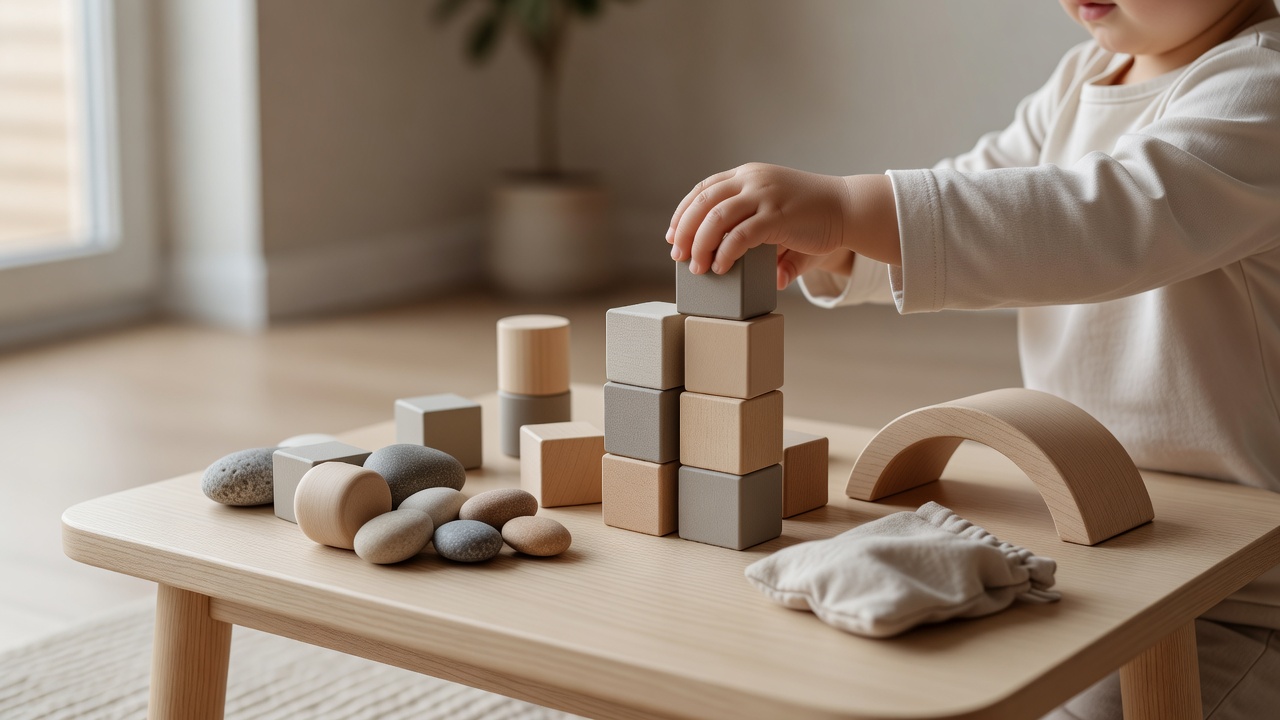
You know the scene. Your toddler pulls out three toys, plays with each for two minutes, then scatters the rest. Open ended toys for toddlers change that pattern by giving one item many uses so you swap less and watch longer focus.
Parents often start here because these toys match real milestones without needing constant new bins. A calm system starts with the right picks and a simple rotation.
Key takeaways
- Open ended toys support longer play sessions with fewer changes
- Focus on 4-6 versatile items instead of 20 single-use ones
- Rotation keeps interest high without daily resets
- Parent-tested setups use zones and labels for quick tidy-ups
Why Open Ended Toys Cut Daily Toy Changes
Single-purpose toys lose appeal fast. Open ended ones let toddlers build, stack, sort, and pretend in fresh ways each day. That means you reach for the same basket instead of hunting for something new.
You see the difference in real life. A set of blocks stays interesting for weeks when your child adds cars or animals from the same zone. Fewer swaps also mean less clutter on the floor at the end of the day. Over time this approach reduces the urge to buy more because the toys you have keep working harder.
- Blocks become roads, towers, or animal pens
- Scarves turn into capes, blankets, or sorting piles
- Wooden animals stand alone or join a block farm
- Simple bowls hold anything from water play to pretend meals
- Fabric squares stack, drape, or become picnic spots
- Stacking rings double as towers or sorting games
- One wooden spoon stirs pretend soup or taps a rhythm
Simple Open Ended Picks That Grow With Your Child
Choose items that work from 12 months through 3 years. These picks stay useful because toddlers invent new games as their skills change. Trade-offs matter here. A basket of blocks offers more variety than a single puzzle but takes more floor space when play ends.
Look for natural materials and rounded edges. Skip anything with flashing lights or recorded sounds that limit imagination. Start small so the set feels manageable in your space.
- Wooden blocks in two sizes
- A set of stacking cups or bowls
- Soft fabric squares or scarves
- Large wooden animals or vehicles
- A low tray for sorting small items
- One basket of loose parts like rings or balls
Wooden vs plastic grip toys shows how material choice affects daily practice and calmer play.
Safety First With Open Ended Toys
Before any rotation, run a quick safety check on every item. Run your hand over edges for splinters and test stability so nothing tips easily. This step takes under five minutes but prevents small hazards during active play.
Parents often overlook how open ended toys can still pose risks if they have small parts that fit through a toilet paper roll. Keep an eye on wear and tear too. Replace anything that cracks or frays.
- Check for loose pieces before each use
- Avoid items with strings longer than six inches
- Store small parts out of reach for younger siblings
- Wipe wooden toys weekly with a damp cloth
- Inspect for cracks after rough play sessions
- Choose items labeled for your child's age range
The U.S. Consumer Product Safety Commission offers clear guidance on toy safety standards for parents that you can review once when setting up your first rotation. The American Academy of Pediatrics also shares practical tips on safe play for toddlers that align well with open ended choices.
How to Rotate Toys Without Daily Swaps
A good rotation uses zones instead of full room changes. Keep four to six open ended toys visible and store the rest out of sight. Swap one zone every two weeks. This method keeps play focused because toddlers see fresh combinations without overwhelm.
Edge cases come up when a child fixates on one item. In that case extend the rotation window rather than forcing a change. You will notice the play deepens instead of drifting.
- Pick a main play zone near the couch
- Add a low shelf with only the current rotation
- Store extras in labeled bins in a closet
- Rotate on the same day each week for habit
- Watch what your child reaches for most and keep those longer
- Note any items that cause frustration and set them aside
Check our guide on introduce new toys slowly to avoid overstimulation when you do add something.
Set Up Zones That Match Skills
Label zones by skill so you can see at a glance what supports which milestone. One zone for building, one for pretend, one for sorting. A 10-minute weekly reset keeps everything tidy. Wipe the shelf, return strays, and note what to rotate next.
| Zone Type | Example Toys | Skill Focus | Reset Time |
|---|---|---|---|
| Building | Blocks and cups | Stacking and balance | 5 minutes |
| Pretend | Animals and scarves | Imagination and language | 7 minutes |
| Sorting | Rings and bowls | Fine motor and matching | 4 minutes |
How to label play zones by skill gives printable labels and a one-evening setup.
Track What Works With a Simple Log
Note which open ended toys hold attention longest. A monthly log takes five minutes and shows patterns you can use for the next rotation. You might discover your child loves loose parts more than blocks right now. Adjust without buying anything new.
- Date and toy name
- Minutes of focused play observed
- New game your toddler invented
- Items to keep or swap
- Any safety check notes
- Parent observations on mood after play
Track baby play milestones shows a parent-tested log format that fits busy evenings.
What to Skip When Building Your Set
Some toys look open ended but limit play fast. Avoid items that only do one motion or need constant adult help. These choices add to the daily swap cycle instead of cutting it.
- Battery toys with single sounds
- Plastic sets with tiny pieces that scatter
- Oversized items that take over the whole floor
- Anything with strings longer than 12 inches
- Molded plastic food that only fits one game
- Noisy electronic gadgets that distract from imagination
Benefits of Open Ended Play Over Time
Longer focus builds when toddlers repeat and vary the same toys. You notice calmer afternoons and fewer "I'm bored" moments. Research from early childhood experts shows that open ended play supports problem solving and social skills because children direct the action themselves. Over months this leads to more independent play stretches that give you breathing room.
Parents report using the same five items for months when they rotate properly. The play stays gentle and the room feels lighter. Trade-offs appear when space is tight. A smaller set of high-quality pieces often outperforms a larger collection that overwhelms the child.
- Builds problem-solving through trial and error
- Supports language as toddlers describe their games
- Encourages independent play for short stretches
- Reduces toy spending because items last longer
- Creates calmer evenings with fewer pieces to pick up
- Strengthens fine motor skills through repeated handling
Keep Play Calm With a Weekly Reset
End each week with a 10-minute tidy. Return everything to its zone and choose one item to swap. This habit prevents the daily mess cycle. On rainy days the same zones work indoors without extra toys.
Rainy day toy setup shares zone ideas that work indoors when weather keeps you inside.
Next Steps
Start with the six picks listed above and set one zone this weekend. Update your toy inventory list in ten minutes so you know exactly what you have.
- Gather the six open ended items you already own
- Clear one low shelf for the first zone
- Print or write three zone labels
- Schedule the first two-week rotation
- Note one new game you see in the log
- Run the safety check on every piece
FAQ
How many open ended toys should a toddler have out at once?
Four to six items in one zone works best. This keeps choices simple and focus high.
Do open ended toys really reduce daily swaps?
Yes. One versatile item like blocks replaces several single-use toys, so you change the setup less often.
What age range do these toys cover?
Most open ended picks grow from 12 months to 3 years when you rotate them by skill level.
How do I know which toys to rotate out?
Watch what your toddler ignores for a few days. Move those items to storage and bring back something from the log that held attention.
Where can I find parent-tested rotation checklists?
Our instant download guides include printable checklists and zone labels made for busy evenings.