Introduce New Toys Slowly to Keep Play Focused
9/12/2026
Introduce New Toys Slowly to Keep Play Focused
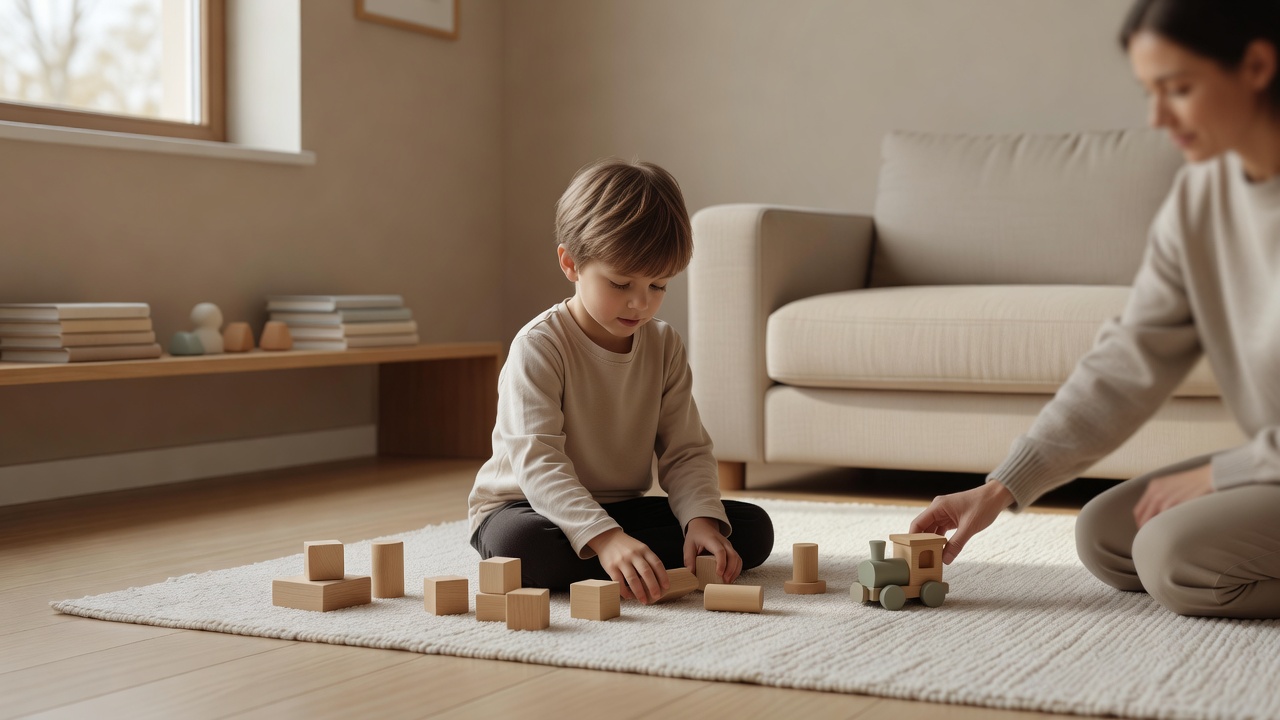
Parents often notice their child loses interest fast when too many toys appear at once. Introducing new toys slowly gives little ones time to explore each item fully and keeps the play space calmer. This approach fits right into a baby toy rotation that actually works.
Key takeaways
- One new toy per week prevents toy overstimulation
- A simple rotation keeps play focused and tidy
- Printable checklists make the system easy to follow
- Age-right picks support real milestones without extra clutter
Why One Toy at a Time Cuts Toy Overstimulation
You see it happen on busy mornings: a toddler dumps every bin and then stares at the pile. Adding toys one by one lets your child actually finish a play idea before the next distraction arrives. Most families notice calmer mornings within two weeks of starting this habit.
Parents who follow guidance from the Consumer Product Safety Commission on choosing age-appropriate toys find that slower pacing also reduces the chance of small parts ending up in the wrong hands. Less visual noise in the room helps everyone breathe easier.
- Less visual noise in the room
- Longer attention on each toy
- Fewer meltdowns at cleanup time
- Easier to spot what your child truly enjoys
- Reduced risk of lost pieces from overloaded bins
- Clearer view of which items match current skills
Try tracking play sessions for a week. You will probably find your child returns to the same three items again and again. That pattern tells you exactly what to keep in the active set.
The Weekly Rule for Baby Toy Rotation
Pick one day, such as Sunday evening, to swap or add a single toy. Store the rest out of sight so the current set stays manageable. This rhythm matches the way small children build skills step by step.
- Choose the new toy based on current milestones
- Remove one older toy to keep the total count steady
- Place the new item in an open spot on the shelf
- Watch for three days before deciding to keep or swap again
- Note any new skills that appear during the trial period
- Adjust the next swap based on real observation, not a preset plan
Seasonal toy rotation that matches weather and mood shows how the same idea works across the year.
Setting Up a Calm Play System at Home
A calm play system does not require new furniture. It needs clear zones and a short weekly reset. Start with two or three defined areas: floor mat, low shelf, and basket for soft items.
- Floor mat for gross motor toys
- Low shelf for reach-and-grab options
- Basket for books and quiet play
- One small bin for items that need adult supervision
Parents who use Shelves vs bins playroom for 10-minute resets report the reset takes less time once zones stay consistent. The key is labeling each area so everyone in the house knows where things belong.
Printable Checklist for Adding Toys
Print this short list and tape it near your toy shelf. Check off each step before the new toy appears.
- Read the label for age and safety notes
- Check for small parts your child could mouth
- Match the toy to the skill your child is practicing now
- Decide which older toy will leave the rotation
- Note the date you introduced the new item
- Observe play for three full days before making changes
Grab ready-made Toy Zone Labels Printable for Daily Neat Play if you want labels that match the checklist.
Matching Toys to Milestones Without Extra Gear
You do not need a full catalog to choose well. Focus on what your child is working on this month. A simple comparison helps.
| Age Range | Skill Focus | One Good Toy Example | What to Skip |
|---|---|---|---|
| 6-9 months | Reaching and mouthing | Soft stacking rings | Toys with flashing lights |
| 9-12 months | Pulling up | Push cart with blocks | Large ride-ons that take floor space |
| 12-18 months | Walking and dropping | Basket of soft balls | Sets with 20+ tiny pieces |
| 18-24 months | Pretend play | One wooden spoon and bowl | Full kitchen sets all at once |
Check the Centers for Disease Control developmental milestones checklist for quick reference when you are unsure what comes next. Toys for first steps toddlers that skip extra gear gives more stage-by-stage examples.
Common Mistakes When You Introduce New Toys Slowly
Even with good intentions, small slips happen. Here are the ones we see most often.
- Adding two toys because one feels too small
- Leaving the old toy out "just in case"
- Buying ahead for the next month
- Ignoring the three-day watch period
- Rotating too quickly after a single quiet afternoon
Fixing these keeps the calm play system working longer.
Observing How Slow Introductions Support Milestones
When you introduce new toys slowly, you gain a front-row seat to real developmental progress. A child who spends three days with one stacking toy often shows better hand-eye coordination by the end of the week. The same slow pace helps you notice when a skill has truly clicked instead of guessing from a pile of unused items.
- Track one new behavior each week, such as turning pages or fitting shapes
- Compare notes at the end of the month to see patterns
- Adjust the next toy choice based on what actually held attention
- Share observations with your pediatrician during checkups for extra reassurance
This method also works well when your child hits a growth spurt or starts walking. You simply pause the rotation for a week and let the current set carry the load.
How a PDF Guide Supports the Whole System
A short PDF guide walks you through the same steps with printable pages already sized for your fridge. Many parents finish the guide in one evening and start the rotation the next day.
Compare that to flipping through catalogs: PDF Play Guide vs Toy Catalogs: Which Cuts Clutter? explains why the focused download saves time and money.
Next Steps You Can Take Tonight
- Clear one shelf so only current toys fit
- Print the checklist above
- Pick the toy you will introduce this week
- Set a phone reminder for next Sunday
- Review the current set for any items that no longer match your child's size or skills
Start with just these four actions and you will already feel the difference in the play space.
FAQ
How many toys should my child have out at once?
Most toddlers do best with six to eight items visible. Rotate the rest so the total never grows.
What if my child asks for a specific toy that is stored away?
Offer a choice between two current options instead. This keeps the focus on what is already out.
Can I still buy gifts for birthdays?
Yes, just store new gifts and add them one per week after the event. The slow pace keeps the excitement without the overwhelm.
Does this method work for siblings?
It does when each child has a small personal basket. Shared toys stay in the main rotation.
Where can I find the printable checklist?
The checklist above is ready to copy. For matching zone labels, see the printable set linked earlier in the post.
Ready to try the weekly swap? Start this Sunday and watch how play stays focused with far less mess.