Outdoor Toy Organization Toddlers Can Keep Neat Year Round
10/1/2026
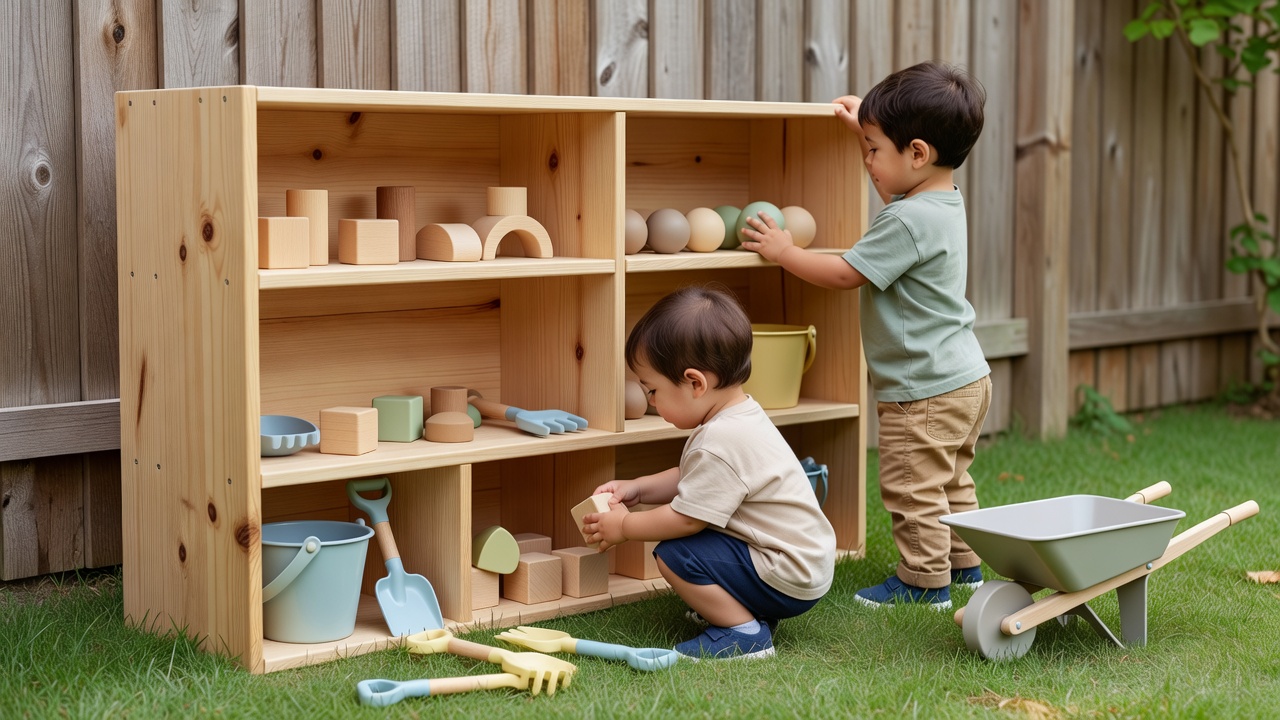
Outdoor Toy Organization Toddlers Can Keep Neat Year Round
You step outside and trip over three trucks, a bucket of sand, and a half-deflated ball. Most parents know this scene. A few small changes in how you set up zones can turn that chaos into a space that stays usable every season.
Key takeaways
- Start with one zone per main activity
- Rotate toys every two weeks
- Check weather seals once a month
- Keep only age-right items outside
- Log what actually gets used each month
Pick the Best Yard Spot for Daily Play
Look for a flat patch that gets morning sun but some afternoon shade. Measure roughly six by eight feet so your toddler can move freely without crowding. If your yard has slopes, pick the gentlest area and add a low border of landscape timbers to contain loose items.
Place the zone near a door or fence so you can see it from inside. Avoid low spots where water pools after rain. Parents with small yards often tuck the zone along a fence line and use vertical storage to save floor space.
- Flat ground under 10 feet across
- Morning light with afternoon cover
- Easy line of sight from your kitchen
- No standing water after storms
- Room for one adult chair nearby
Build Weatherproof Toy Zones That Last
Choose bins with tight lids and UV-resistant labels. Store soft items like balls in mesh bags so air flows and mold stays away. In humid climates, add a few silica packets inside each bin to pull moisture.
Anchor heavier pieces with ground stakes on windy days. This keeps everything in place without extra work each morning. Test bins by leaving one empty outside for a week to see how it holds up before committing.
- Tight-lid plastic bins for small pieces
- Mesh bags for balls and plush toys
- Ground stakes for ride-ons
- Waterproof covers over open shelves
- Silica packets in humid areas
Use a Simple Outdoor Rotation Method
Keep two sets of toys: one out now, one in the shed. Swap them every two weeks so interest stays high and clutter never builds. If a toy sits untouched for two swaps in a row, move it inside permanently.
Label each bin with the current month. You will always know what has been outside longest. Track which items your child reaches for first so future rotations favor those favorites.
- Two-week swap schedule
- Monthly bin labels
- One active set only
- Quick visual check each Sunday
- Move unused items indoors
Compare this rotation to indoor setups you already use.
| Zone Type | Toys Kept Out | Swap Frequency | Weather Check |
|---|---|---|---|
| Sand area | Buckets, shovels | Every 14 days | Monthly lid seal |
| Ball zone | 3-4 balls | Every 14 days | Weekly air check |
| Ride-on path | One tricycle | Every 21 days | Tire pressure |
| Water table | Cups, funnels | Every 7 days | Daily drain |
| Loose parts | Sticks, stones | Every 10 days | Weekly sort |
Run Quick Safety Checks Before Each Season
Walk the zone once a month and look for sharp edges or loose parts. Remove anything that shows wear before it becomes a problem. Review the official CPSC toy safety guidelines to catch recalls or material concerns early.
Keep a small repair kit nearby with tape and spare screws. Most fixes take under five minutes. Edge cases like older siblings sharing the space mean you may need an extra bin just for their larger items.
- Check for cracks in plastic
- Tighten all bolts
- Test stability of ride-ons
- Clear any small parts under two inches
- Note any recalls on new purchases
For more on labeling zones by skill, see how to label play zones by skill in one evening.
Choose Toys That Support Real Milestones Outside
Focus on open-ended items that grow with your child. A simple set of stacking cups works for pouring at 18 months and pretend play at 30 months. Watch how your toddler uses each piece for a week before deciding it stays in rotation.
Skip battery toys that break fast in sun and rain. Wooden or thick plastic pieces hold up better and need fewer replacements. See the American Academy of Pediatrics outdoor safety tips for age-specific movement goals that match these choices.
- Stacking cups for fine motor work
- Ride-ons for gross motor practice
- Sand tools for sensory play
- One ball per child for social turns
- Soft blocks for building balance
You can also pull ideas from open ended toys for toddlers fewer swaps for focused play.
Create a 10-Minute Daily Reset Routine
At the end of play, have your toddler help drop items into the labeled bin. One minute of help now saves ten minutes of hunting later. On busy days, simply close the lids and sweep the main path; full sorting can wait until the weekend.
End with a quick sweep of the zone so nothing sits out overnight. This habit keeps the space ready for the next day. Families with two toddlers often assign each child their own small basket to speed the process.
- One bin per zone
- Toddler puts away one item
- Sweep loose sand or leaves
- Close lids before you go inside
- Note any missing pieces on a sticky note
Parents who work long days often find this reset fits right into toys for working parent routines that fit busy days.
Handle Rainy or Cold Days Without Extra Mess
Move a few key items under a covered porch or into the garage zone. Keep a small rainy-day bin ready so you never hunt for replacements. When the weather turns, the same rotation rules apply. You simply bring the active set inside for a short time.
Check drainage holes in bins after heavy rain so water does not collect. A quick towel dry on metal parts prevents rust spots.
- Covered porch shelf
- Small rainy-day bin
- Same two-week swap
- Quick dry-off cloth nearby
- Drainage holes cleared monthly
See how other parents set calm indoor backups in rainy day toy setup for toddlers calm indoor zones.
Track Daily Play With a Monthly Outdoor Log
Write down which toys your child actually plays with each week. After one month you will see clear patterns and can drop the items that sit unused. Keep the log on a single sheet of paper clipped to the shed door.
Note weather, time of day, and any new skills that appear. This simple record helps you refine rotations without guesswork and pairs well with the printable tools in our other guides.
- One page per month
- List three favorite items weekly
- Mark weather and duration
- Note new skills observed
- Adjust next rotation based on notes
Run a Weekend Outdoor Audit
Once a month, pull everything out and sort it. Toss broken pieces, clean what is dirty, and decide what stays or moves back inside. Use the same checklist style you already like for indoor spaces. It takes about 20 minutes and keeps the whole yard feeling lighter.
Sort by material first, then by size. This makes restocking bins faster next time.
- Pull out every item
- Sort broken from good
- Wipe down surfaces
- Return only the active set
- Group by material type
Try the steps in weekend toy audit checklist for 0-3 playrooms and adapt them outside.
Next Steps
Start with one zone this weekend. Add the rotation bins next week. In two weeks you will have a space that stays neat without daily battles.
- Choose your first zone location today
- Buy two matching bins this week
- Print simple labels before the first swap
- Log play for one full month
- Adjust based on what your toddler reaches for most
Grab the free zone labels from our main site if you want ready-to-print tags that match the system.
FAQ
How often should I rotate outdoor toys?
Every two weeks works for most toddlers. Swap one set for the stored set so interest stays fresh and nothing gets left out too long.
What materials hold up best outside?
Thick plastic and sealed wood last longest. Avoid thin metal or battery items that rust or fade fast in sun and rain.
Can I keep soft toys outside?
Only in mesh bags that let air move. Bring plush items in at night or during wet weather to stop mold.
How do I stop toys from blowing away?
Use ground stakes on ride-ons and weighted bins with tight lids. A quick check each evening keeps everything in place.
Where do I store the off-season set?
A plastic shed or garage shelf works fine. Label the bins by month so you always know what comes out next.