Screen Free Toys for Toddlers That Spark Early Words
10/2/2026
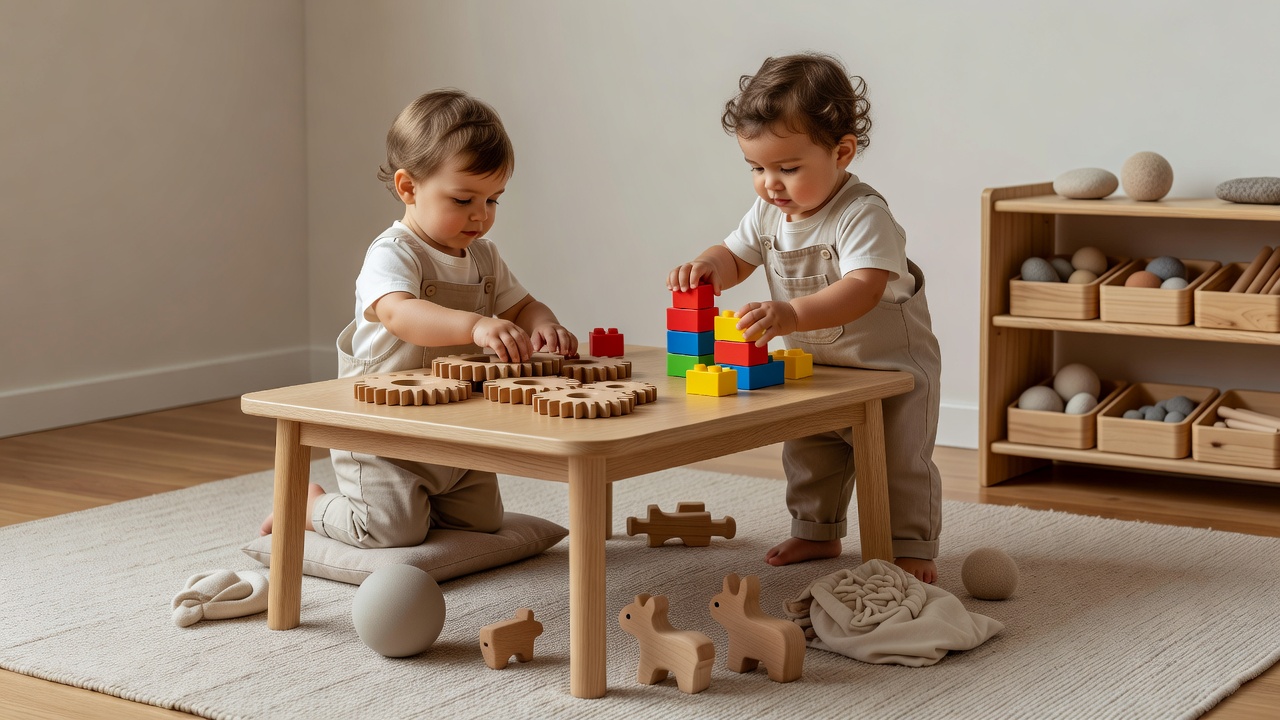
Screen Free Toys for Toddlers That Spark Early Words
Parents often watch their toddler point at a toy and wait for the right word to come. Screen free toys for toddlers give you a steady way to turn those moments into real talk without extra noise or light. You can keep play calm and focused on what your child already loves.
Key takeaways
- Choose open-ended items that invite naming and back-and-forth
- Keep setups simple so words come naturally during short sessions
- Rotate toys to hold interest without adding clutter
- Track small wins with a quick checklist each week
- Match toys to your child's current speech stage for faster progress
What Makes a Toy Good for Words
A toy supports speech when it leaves room for your child to name things, ask questions, or copy sounds. Look for items with clear shapes, textures, and everyday uses rather than flashing parts.
- Wooden blocks in bright colors
- Soft cloth books with animals
- Stacking cups that nest and pour
- Simple puppets for silly voices
- Sorting baskets with familiar objects
- Wooden spoons and bowls for pretend kitchen talk
- Soft balls with different textures for rolling games
- Shape sorters that prompt "in" and "out" words
These picks stay quiet and let you join in without competing for attention. The best ones grow with your child because they spark new words as skills develop.
Best Screen Free Toys for Toddlers
You do not need a big collection. Start with three to five items that match the skills your child shows right now.
- One set of stacking rings for size words
- A basket of soft animals for naming
- Two board books with clear pictures
- A wooden spoon and bowl for pretend sounds
- Three nesting cups for action words
- A simple wooden puzzle with four pieces
- Two hand puppets for turn-taking stories
Swap one item every few days so fresh words keep coming. Parents report that keeping the total low helps toddlers repeat words more often during the same session.
How to Set Up Calm Play Zones
A clear space helps your toddler focus on talking instead of hunting for the next thing. Use zones that match daily routines.
- Floor mat near the couch for morning books
- Low shelf with three toy choices only
- Basket by the table for snack-time sorting
- Small bin near the door for quick outdoor carry items
Label play zones by skill in one evening so every area has a purpose you can reset fast. This setup takes about ten minutes once a week and keeps words flowing without constant cleanup.
Toy Rotation That Keeps Talk Time Fresh
Rotation cuts the urge to add more toys and keeps interest high. Try this simple loop.
- Pick four toys for the week
- Store the rest out of sight
- Swap two toys on Sunday evening
- Note which words your child used most
- Bring back a favorite after two weeks away
Open ended toys for toddlers show how fewer swaps lead to longer play and more words. Many families notice toddlers start combining words like "big block" after a steady rotation cycle.
Linking Toys to Speech Milestones
Matching toys to the stage your child is in makes every session count. Watch what they do most and add one new word prompt at a time.
- 12-18 months: Pointing and single words — use animal baskets and texture balls
- 18-24 months: Two-word phrases — add stacking cups and simple puzzles
- 24-36 months: Short sentences — bring in puppets and pretend bowls
Keep a small notebook nearby to jot the new phrase you hear. This helps you see patterns without extra apps or screens.
Comparison of Toy Types
| Toy Type | Word Support | Mess Level | Best For |
|---|---|---|---|
| Wooden blocks | High – naming colors and sizes | Low | Focus and pretend |
| Board books | High – repeating sounds | None | Quiet moments |
| Stacking cups | Medium – action words | Low | Hands-on play |
| Soft animals | High – animal names | Low | Story time |
| Shape sorters | Medium – position words | Low | Fine motor plus talk |
What to Skip and Why
Some items add noise without helping speech. Keep these out of the main play area.
- Toys that make random sounds on their own
- Screens or apps that talk for the child
- Overly complex sets with too many parts
- Items that light up constantly
- Battery toys with pre-recorded phrases
You end up with calmer mornings and more chances for real talk. Skipping these also means fewer batteries to replace and less clutter in the play space.
Fitting Play Into Busy Days
Short sessions work best when you are juggling work and home. Set a 10-minute timer and join in.
- Name three things together while stacking
- Ask simple questions like “where does the cow go?”
- Copy your child’s sounds to keep the back-and-forth going
- Use snack time to name foods from the sorting basket
- End each session by letting your toddler choose the next toy
Toy setups for working parents give quick resets that fit real schedules. One parent shared that these short bursts fit between meetings and still build steady progress.
Rainy Day Ideas Without Extra Gear
Indoor days still need calm play. Use what you already have.
- Spread a blanket for a book picnic
- Fill a bin with cups for water play at the sink
- Turn chairs into a simple fort for puppet talk
- Line up blocks on the floor for a “train” story
Rainy day toy setups keep zones tidy and words flowing even when you stay inside. The change of location often brings new words like “under” or “hide.”
Track Progress With a Simple Log
A quick note each evening helps you see growth without stress. Write down one new sound or word and the toy that sparked it.
- Sunday: blocks and colors
- Tuesday: animals during bath
- Friday: books at bedtime
- Wednesday: cups and “pour”
- Thursday: puppets and animal sounds
Build a toy memory journal so you finish the log in one evening and keep it going for months. This record shows you which toys truly support speech milestones.
Next Steps
Start tonight by pulling three toys from the list above and setting them on a low shelf. Watch what your child does first, then add one word at a time. Grab the free zone labels from Little Baby Toys to finish the setup in one evening.
- Run a quick weekend toy audit this Saturday
- Add one new internal link to your rotation plan
- Print a simple milestone checklist for the fridge
- Swap two toys on Sunday and note the words you hear
FAQ
How many toys should I keep out at once?
Three to five items work well for most toddlers. Too many choices can cut down on focused talk.
Do I need special training to use these toys?
No. Just play alongside your child and name what you see. Simple back-and-forth builds speech faster than long lessons.
What if my child does not talk much yet?
Start with sounds and gestures. Point and name, then wait. Many toddlers copy before they speak full words.
Can I mix these toys with outdoor play?
Yes. Take one or two items outside on nice days. The change of setting often brings new words.
Where can I learn more about speech milestones?
Check the CDC developmental milestones page and the American Speech-Language-Hearing Association site for clear age guides. Zero to Three also offers practical tips at their language development section.