Toys for Toddler Speech That Skip Screens Daily
10/20/2026
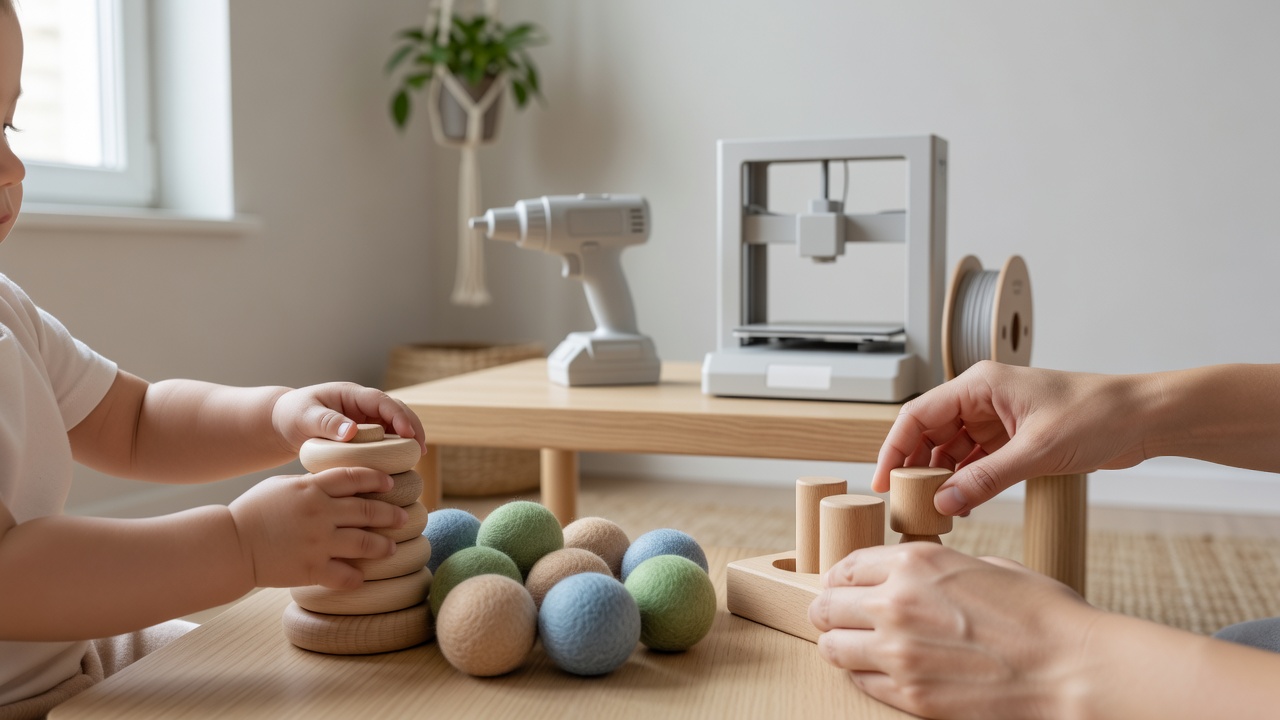
Toys for Toddler Speech That Skip Screens Daily
Parents often ask how to help toddlers add new words without turning to tablets. Toys for toddler speech work best when they invite back-and-forth talk during ordinary moments you already share.
A few well-chosen items plus a short daily rhythm can move things forward faster than you expect.
Key takeaways
- Focus on toys that prompt two-way talk
- Match each stage to avoid frustration
- Keep a short printable word list handy
- Rotate items so interest stays fresh
- Pair play with calm routines instead of apps
Everyday Ways Toys Help Toddlers Find Their Words
Simple objects let your child point, name, and repeat sounds while you respond in real time. This back-and-forth builds vocabulary naturally. You might notice your toddler naming the same toy three times in one afternoon once the routine feels familiar.
Try these quick habits:
- Name three things during snack time
- Ask "what's next?" during a short story
- Echo the sound your toddler makes and wait
- Use the same toy at the same time each day
- Celebrate any attempt with a smile or clap
- Repeat the word in a full sentence right after
- Point to the toy and wait three seconds
- Sing a two-line rhyme using the toy name
- Let your child hand you the item and name it
Watch how these small exchanges add up over a week. One parent noticed her 20-month-old moved from single sounds to "ball go" after five days of the same stacking cups.
Age-Right Picks for Early Words
Choosing the right size and type keeps play calm and speech-focused. Match the toy to what your child can already do so they feel success instead of struggle.
12–18 months
- Soft blocks with single pictures
- Stacking cups that nest together
- A small basket of familiar animals
- One soft book with thick pages
18–24 months
- Simple shape sorters
- Board books with one word per page
- Pretend phone or microphone
- Two or three cars for rolling
2–3 years
- Wooden puzzle with farm pieces
- Dress-up scarves and hats
- Small cars for racing and narrating
- A basket of kitchen items for pretend meals
See the CDC developmental milestones for toddlers to confirm which words typically appear at each stage and adjust your picks accordingly.
Tracking Your Toddler's Word Growth
Noticing progress helps you stay consistent without pressure. Keep a small notebook or the back of your printable list near the play area.
Simple tracking steps:
- Write the date and one new word each evening
- Note whether your child used it during play or at meals
- Count total words at the start of each month
- Celebrate when the list reaches ten or fifteen
- Share one win with a partner or grandparent
This method shows real movement even on quiet days. Many toddlers add two to four words per week once the same toys appear daily.
Printable Word List for Daily Practice
A short list keeps you consistent without overwhelm. Print one copy and tape it near the play spot.
- Ball
- Milk
- Dog
- Up
- More
- Book
- Hat
- Car
- Bye
- Water
- Shoe
- Spoon
- Bird
- Tree
- Light
Use two or three words from the list each morning. Cross them off once your toddler says them clearly. Add family names or favorite foods once the first ten feel solid.
Building Calm Routines Around Speech Play
Speech practice fits best inside routines you already do. Morning snack, bath, and bedtime each offer natural chances.
Quick routine checklist:
- Pick one toy for the whole week
- Keep the session under ten minutes
- Sit at the same small table or mat
- End with a single clean-up song
- Note one new word on your list
- Start with the same greeting phrase
- End by naming the toy one last time
See how a shared playroom toy audit creates space for these routines.
Toy Rotation That Keeps Interest High
Rotation stops boredom and keeps the focus on talking instead of new purchases. You only need four items visible at once.
Step-by-step rotation method:
- Gather all current speech toys
- Choose four to stay out this week
- Box the rest and label the date
- Swap one item every Sunday evening
- Watch which toy sparks the most words
- Store the box out of sight so choices stay simple
Try the toy-rotation method described in our imaginative play guide.
Creating a Speech-Friendly Play Space
A calm corner with good light and low shelves helps your toddler reach toys without help. Place the word list and two bins at child height.
Space setup ideas:
- One low shelf for the four current toys
- A small mat that defines the play zone
- A basket for finished items at cleanup time
- Natural light or a soft lamp nearby
- No extra bins or flashing items in view
This setup supports the safer toy choices we recommend across every stage.
Screen-Free Play vs Digital Alternatives
Many parents wonder whether an app could do the same job faster. Real conversation during play builds more words than recorded voices.
| Option | Daily Time | Parent Involvement | Speech Benefit | Clutter Added |
|---|---|---|---|---|
| Physical toys | 15–20 min | High | Strong two-way talk | Low |
| Simple app | 20–30 min | Low | Limited repetition | None |
| Video calls | 10 min | Medium | Real voices | None |
Follow the American Academy of Pediatrics guidance on media use when deciding how much screen time fits your home.
What to Skip When Choosing Speech Toys
Some items look helpful but actually slow progress.
Do skip these:
- Noisy electronic toys with flashing lights
- Toys that speak for the child
- Oversized sets with too many pieces
- Anything that requires a screen to work
- Items with small parts under three years
Do choose these instead:
- Quiet toys that invite your voice
- Single-purpose items with clear names
- Sets small enough to store in one bin
- Open-ended pieces that last years
- Soft items safe for mouthing
Your Next Step Toward More Words
Start with one toy and one printed word list this week. Track what your toddler says for seven days, then adjust.
Next steps:
- Grab the printable word list above
- Choose two age-right toys from the lists
- Set a ten-minute slot tomorrow morning
- Swap one toy next Sunday
- Visit our site for the full calm-play PDF when you want the complete system
Little Baby Toys offers parent-tested guides written right here in Houston.
FAQ
How long should speech play last each day?
Keep sessions short—ten to fifteen minutes works best for most toddlers.
Which toys actually help the most?
Items that prompt naming and turn-taking, such as blocks, books, and simple pretend play pieces.
Can I use the same toy every day?
Yes. Repetition builds comfort, then rotate one piece weekly to keep interest alive.
What if my toddler stays quiet?
Model the words yourself and pause. Many children need several quiet turns before they join in.
Where do I find the printable checklists?
Our instant-download guides include word lists, rotation charts, and stage checklists you can print tonight.