10 Month Old Play Setup That Matches Skills Exactly
11/10/2026
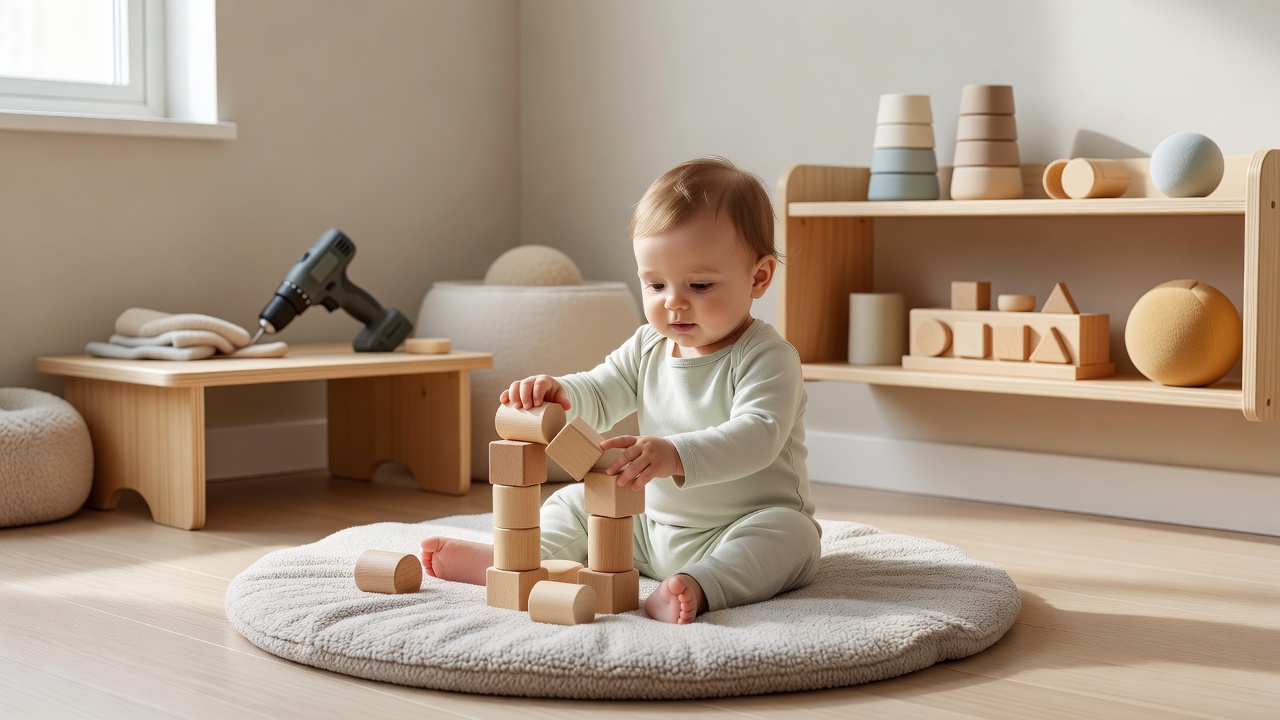
10 Month Old Play Setup That Matches Skills Exactly
Parents often end up with toys that sit unused while a baby reaches for the same three items every day. A smart 10 month old play setup fixes that by matching what your child can actually do right now.
You pick fewer toys, place them in clear zones, and rotate the rest. The result feels lighter and keeps play steady.
Key takeaways
- Focus on 4–6 core skills only
- Use one main zone plus a small backup
- Check safety in five minutes daily
- Rotate every seven to ten days
- Track what actually gets used
Spot the Skills at 10 Months
At this stage babies pull up, cruise along furniture, and start to point at things they want. They also bang objects together and drop items on purpose. Watching your own child for a day shows exactly which movements come naturally and which still feel new.
List the skills that matter most:
- Pulling to stand
- Cruising along edges
- Pincer grasp for small items
- Banging and shaking
- Simple cause-and-effect
- Pointing and showing
Skip anything that needs stacking or sorting yet. Those come later. If you notice your baby spends more time cruising than grasping, lean into that strength for the next week or two.
Pick Age-Right Toys Without Overlap
Choose toys that hit one skill each. That stops the pile from growing. Overlap happens when three different toys all encourage the same banging motion, so one stays on the shelf most days.
Here are quick examples:
- A sturdy push wagon for cruising
- Soft blocks for banging
- A few textured balls for grasping
- A simple pop-up toy for cause and effect
- Board books for pointing practice
Compare age guides vs skill guides for toys which fits your toddler when you want to see the difference side by side. Trade-offs appear quickly: a wagon takes floor space but lasts longer than a pop-up toy that loses interest after a month.
Build Two Calm Zones
One main zone near the couch works best. Add a second tiny spot in another room for variety. Parents who try a single zone often find the baby wants change by mid-morning, so the backup corner solves that without extra bins.
Zone setup checklist:
- Clear floor space of 4 by 6 feet
- One low shelf or basket
- No more than six toys out
- A soft mat for standing practice
- Good light but no glare
Keep the second zone even smaller—just three toys max. Move one toy between zones at lunch if your baby seems restless.
Incorporate Baby Milestone Toys into Calm Play Routines
Baby milestone toys work best when you build short routines around them instead of leaving everything out at once. A calm play routine might start with five minutes of cruising practice followed by a quiet book look. This keeps energy steady and prevents the mid-morning meltdown that comes from too many choices.
Simple routine ideas:
- Morning cruise along the couch with the wagon
- Mid-morning grasp play with one textured ball
- After-nap cause-and-effect with the pop-up toy
- Late afternoon pointing at pictures in a board book
- Evening reset by putting two toys away together
These routines fit inside twenty minutes total and leave the rest of the day open. You can adjust the order on days when your baby wakes early or skips a nap.
Run a Simple Rotation Method
Rotate every seven to ten days. Pull out toys that no longer match current skills and swap in one new item. The method stays light because you only handle a few pieces at a time.
Rotation steps:
- Note which toys get ignored
- Remove two items
- Add one fresh toy that hits an active skill
- Wipe everything down
- Reset the shelf layout
A monthly toy skill plan for steady baby growth gives you the full calendar so you never guess. Edge cases show up when a toy suddenly becomes a favorite again after a break; simply keep it out an extra week.
Check Toys Daily in Five Minutes
A quick scan catches wear before it becomes a problem. Running this check while the baby naps turns it into an automatic habit rather than another chore.
Daily toy check routine:
- Run hands over edges for cracks
- Tug on any small parts
- Look for loose fabric or stuffing
- Wipe surfaces with a damp cloth
- Set aside anything broken
Daily toy check routine that spots wear in five minutes walks you through the exact order. Keep a small cloth and a marker in the same basket so you can note repairs on the spot.
Track Daily Wins with a Log
A simple play log shows which toys actually support growth. After a week the pattern becomes clear: some toys get used for ten minutes, others for thirty.
Sample log columns:
- Date
- Toy used most
- Skill observed
- Time spent
- Any frustration noted
Grab the play log printable for tracking daily baby wins and print a few copies for the week. Parents who track for two weeks often discover they can drop one toy entirely without missing it.
Compare Toy Types at a Glance
| Toy Type | Skill It Hits | How Long It Holds Interest | Clutter Risk |
|---|---|---|---|
| Push wagon | Cruising | 15–20 minutes | Low |
| Soft blocks | Banging & grasp | 10–15 minutes | Medium |
| Pop-up toy | Cause and effect | 8–12 minutes | Low |
| Board books | Pointing & language | 5–10 minutes | Low |
The table helps when you stand in the store or scroll online. Low clutter risk items stay in rotation longer and need fewer resets.
Add One PDF Guide for Extra Calm
A short guide keeps everything consistent when life gets busy. You get the same steps in printable form. Many parents print the checklists once and tape them inside the toy cabinet for quick reference.
Download the PDF play guide that cuts clutter for first-year parents if you want ready-made checklists and labels. The printable checklist inside covers exactly the six-toy limit and the five-minute safety scan.
Safety Notes from Trusted Sources
Always check for small parts that could break off. The CPSC toy safety page lists current rules on choking hazards. The CDC developmental milestones page shows what most babies do around 10 months so you stay realistic. Cross-check any new toy against these two sites before it enters the zone.
Keep the Setup Simple Going Forward
Your 10 month old play setup works best when you review it every two weeks. Notice what gets used, remove what sits untouched, and keep the zones tidy. Small adjustments now prevent a full overhaul later.
Next steps:
- Print the play log and start tonight
- Choose four toys that match current skills
- Set the main zone before bed
- Run the five-minute check tomorrow morning
- Rotate once this week
- Add one calm play routine in the morning
Little Toys, Real Joy comes from matching the moment, not buying more.
FAQ
How many toys should stay out at once?
Keep six or fewer in the main zone. That number lets your baby focus without overwhelm.
What if my baby ignores the new toy?
Leave it out for three days. If it still sits unused, swap it for something that hits a different skill.
Can I use the same setup for twins?
Yes. Duplicate the core toys and add one shared item. See toys for multi child homes that stay calm and tidy for extra tips.
How often do I update the play log?
Write one line each evening. It takes less than a minute and shows patterns fast.
Where do I buy the toys listed?
Shop secondhand or open bins you already own first. The goal is fewer, better-matched items rather than new purchases.