Toys for Multi Child Homes That Stay Calm and Tidy
11/4/2026
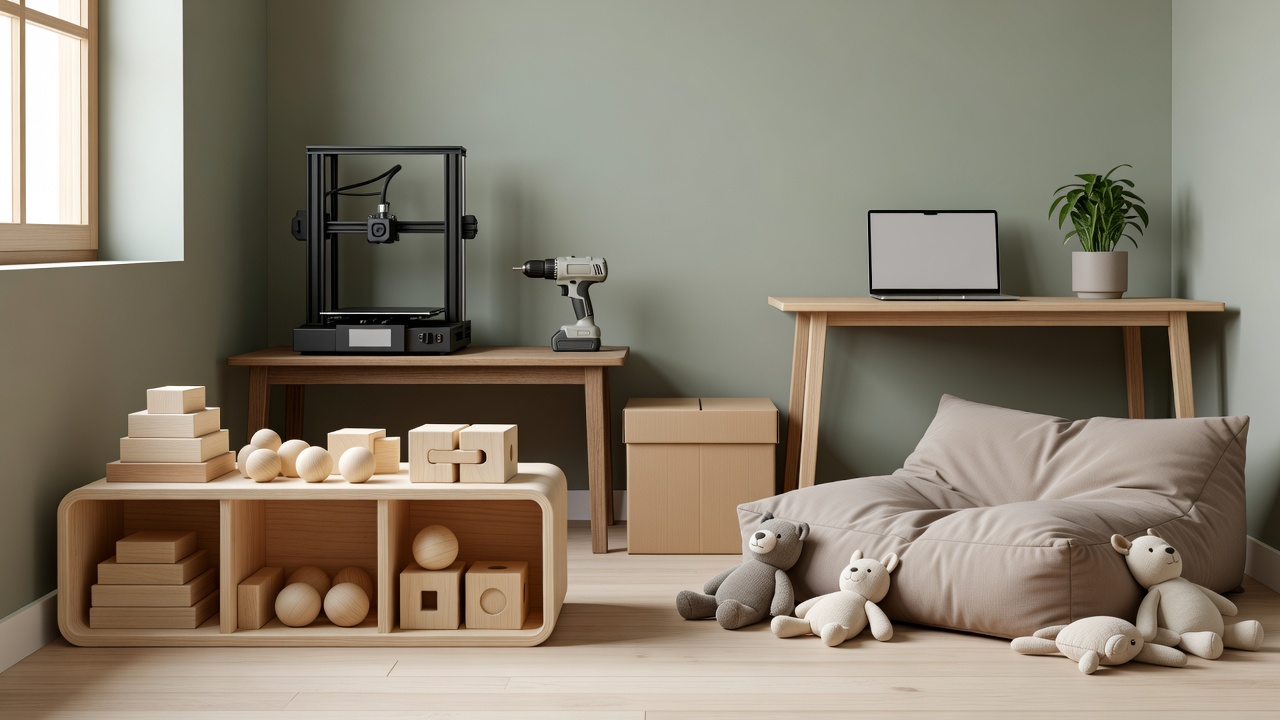
Toys for Multi Child Homes That Stay Calm and Tidy
Parents with more than one little one often end up with twice the toys and half the calm. The fix starts with matching toys to the actual kids in your house instead of buying for each child separately.
You can build a shared setup that works across ages without constant fights or overflow bins. Focus on versatile pieces, clear zones, and a light rotation so the space feels lighter every evening.
Key takeaways
- Pick toys that two or three kids can use at once
- Use one rotation system instead of separate bins
- Check labels and materials once a week
- Keep only what fits the current stages
Why Toys for Multi Child Homes Need a System
When toys pile up, everyone feels it. Older kids lose interest in baby-safe items while younger ones reach for things they cannot handle yet. A simple system stops the cycle before it starts.
Think about what actually gets played with on a normal day. Most families find that five to seven versatile toys cover more ground than twenty single-use ones. For instance, when your 14-month-old and 3-year-old share the same set of soft blocks, the older child builds towers while the younger one stacks and knocks them down. This overlap cuts the total number of items needed by half in many homes.
Toys for Multi Child Homes: Simple Selection Rules
Start by listing the ages in your home right now. Then choose items that stretch across those ages instead of duplicates.
- Building blocks in two sizes
- Soft balls that roll or stack
- Board books with thick pages
- Nesting cups or containers
- One musical toy the group can share
- Fabric tunnels or tents for crawling and hiding
Skip anything that requires constant adult help or makes loud sounds that bother sleeping siblings. Trade-offs matter here: a single large play tunnel takes floor space but replaces three smaller ride toys that would otherwise crowd the room.
Setting Up Shared Play Zones
Divide the room into two or three clear areas instead of one big toy box. A quiet corner works well for reading while an open floor space holds movement toys.
Create a quiet play corners setup that works in any room size so each child has a spot that feels personal even when toys are shared.
- Place soft mats in the movement zone
- Keep books on low shelves within reach
- Store small pieces in labeled bins on a single cart
- Leave one empty floor area for imagination play
Rotation That Works for Everyone
A weekly toy rotation keeps interest high without adding new purchases. Pull three toys out on Sunday evening and swap them the next week.
This method works because children see familiar items as new again. It also stops the daily argument over the same three favorites. Track what stays out longest so you know which pieces truly earn their spot across multiple ages.
- Gather everything currently out
- Choose three toys that fit the current stages
- Store the rest in a closet bin
- Rotate on the same day each week
- Let kids help pick the next set once they are old enough
Handling Different Energy Levels in One Space
Multi child homes often mix high-energy toddlers with babies who need calmer play. Designate one low-stimulation zone with soft books and nesting toys for the younger child while the older one uses the open area for movement. This prevents one child from overwhelming the other during the same play session.
Observe patterns for a few days. If your 2-year-old tends to run while the baby watches, place the active toys on one side of the room and the quiet options on the opposite side. Adjust the zones every month as milestones shift. Parents report that this simple split reduces daily meltdowns by giving each child a predictable spot.
- Use a small rug to mark the quiet zone boundary
- Keep one basket of calm toys that travels between zones
- Set a timer for 15-minute switches if energy clashes appear
- Watch for signs one child needs more space and rotate items accordingly
Daily Checks to Keep Things Safe
A five-minute scan catches broken pieces before they become problems. Run the check at the same time every evening while you reset the zones.
Build a simple daily toy check routine that spots wear fast so you stay ahead of small hazards. Follow the CPSC toy safety guidelines for quick label checks that spot recalls or wear issues in under five minutes.
- Look for loose parts or sharp edges
- Wipe soft toys with a damp cloth
- Check batteries in any musical items
- Return everything to its labeled spot
Avoiding Duplicate Clutter
Duplicate toys usually come from well-meaning gifts or quick purchases. Keep a short list on your phone of what you already own so you can redirect new requests.
- One set of blocks covers two kids
- Shared art supplies in one caddy
- Single puzzle set with extra pieces stored
- Two ride-on toys max for the whole group
Materials That Hold Up in Busy Homes
Choose materials that survive daily use from multiple children. Wood and thick fabric tend to last longer than thin plastic when two toddlers tug on the same item. Check for non-toxic finishes and rounded edges before anything enters the shared space.
Parents who review the American Academy of Pediatrics toy safety tips each season find fewer replacements needed over time. Focus on items labeled BPA-free and lead-free so the same toy can move from baby to toddler without worry.
- Solid wood blocks instead of painted foam
- Cotton or canvas books over paper ones
- Silicone teethers that can be boiled clean
- Fabric play mats that wipe down easily
Age Guides That Actually Help
Age labels on packaging give a starting point, but skill guides often fit real life better. A two-year-old and a four-year-old can both enjoy the same set of stacking rings when you adjust the play slightly.
Compare age guides vs skill guides for toys to pick the PDF that matches your toddler best before you buy the next item.
| Toy Type | Works Best With | Why It Fits Multi Homes |
|---|---|---|
| Building blocks | 12 months to 4 years | Different kids build at their own level |
| Soft books | 6 months to 3 years | Everyone can look together or alone |
| Nesting cups | 9 months to 2 years | Simple for little hands, creative for older ones |
| Fabric tunnel | 10 months to 3 years | Crawling, hiding, and group games |
Next Steps
Start with the toys already in your home this week. Pull out the ones that no longer match anyone’s current stage and box them for later or donation. Toys for multi child homes stay calmer when you review the full set every three months instead of adding more.
- Print a simple rotation chart
- Set one quiet zone this weekend
- Run the five-minute daily check tonight
- Grab the PDF guide vs forums real calm without the scroll for printable checklists you can use right away
FAQ
How many toys should a multi child home keep out at once?
Keep five to seven versatile toys visible. Rotate the rest so the space stays calm and every child finds something that fits their stage.
What if grandparents keep sending new toys?
Keep a short list of what you already own and share it kindly. Suggest experiences or books instead of more plastic items.
Can one rotation system work for different ages?
Yes. Choose toys that stretch across stages and adjust how each child uses them. Blocks, books, and soft balls all work this way.
Where do I start if the playroom feels overwhelming?
Clear the floor first, then sort into three piles: daily use, rotate later, and donate. One small zone at a time keeps the reset manageable.
Do I need separate toys for each child?
No. Shared toys with clear rules reduce fights and cut clutter. One good set used well beats three duplicate sets.