Apartment Play Guide: Calm Toys Without Bins
8/29/2026
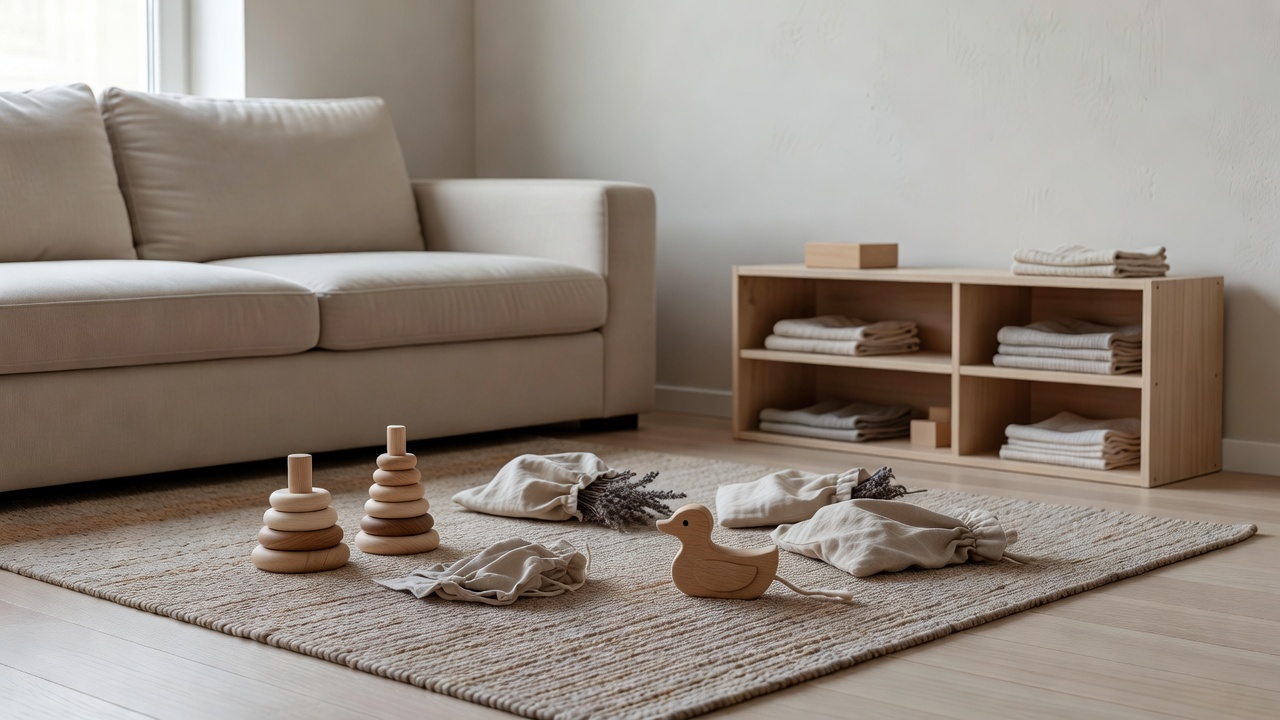
Apartment Play Guide: Calm Toys Without Bins
You live in a small apartment and the toys keep taking over. An apartment play guide gives you a clear system to pick the right toys, rotate them, and keep the floor clear without adding storage bins.
Parents often wonder which toys actually help a child grow and which ones just add to the mess. Our guides break down the stages from 0–6 months through 2–3 years so you can choose with confidence and skip the rest.
Key takeaways
- Focus on age-right picks that match milestones
- Use wall pockets and low shelves instead of bins
- Rotate toys weekly to cut clutter fast
- Print a simple checklist and follow it in ten minutes
- Swap items seasonally to match your child's changing needs
Why Bins Fail in Small Apartments
Bins stack up and hide what you have. Kids forget the toys at the bottom, so they ask for new ones. A better plan uses open, low spots that let you see everything at a glance. In a tiny home, every inch counts, and closed containers turn playtime into a hunt rather than a calm exploration.
Try these quick swaps:
- Wall-mounted pockets for soft books
- Low rolling carts for blocks
- Door organizers for cars and figures
- Under-bed trays for quiet items
- Hanging hooks for dress-up scarves
Many parents notice that once bins disappear, cleanup takes half the time because nothing gets buried. The visual clutter drops too, which helps everyone feel less overwhelmed at the end of a long day.
Small Space Toy Setup That Actually Works
Pick one corner or wall for play. Keep everything at child height so they can reach and put away on their own. This setup respects the limited square footage while giving your little one ownership over their space.
- Mark a 4-foot by 4-foot zone with a small rug
- Add two low shelves or crates on their sides
- Hang three wall pockets above the shelves
- Place a single basket for dirty or broken pieces
- Add a small mirror at floor level for sensory play
This setup takes one evening and leaves the rest of the room open. Test the height by sitting on the floor yourself—if you can reach it easily, so can your child.
Toy Rotation for Tiny Homes
Rotation keeps interest high without buying more. Pull out half your toys and store the rest in a closet out of sight. The method works because children engage longer with fewer options, and you avoid the constant urge to shop.
- Week 1: Soft toys and books
- Week 2: Building sets and puzzles
- Week 3: Pretend play items
- Week 4: Art supplies and quiet tools
- Week 5: Outdoor-friendly items brought inside
See our quiet time toys setup for calm toddler corners for extra corner ideas that fit the same rotation method. Track what your child reaches for most so you know which sets deserve longer stays.
Matching Toys to Milestones Without Extra Purchases
Choose toys that support the exact stage your child is in right now. For sitters, focus on items they can grasp while propped. Crawlers need things that roll just out of reach. This targeted approach prevents the pile-up that comes from buying ahead.
- 4-7 months: Soft rings and textured balls
- 8-12 months: Push toys and nesting cups
- 12-18 months: Shape sorters and simple vehicles
- 18-24 months: Stacking towers and pretend phones
- 2-3 years: Simple puzzles and dress-up props
A safer toy choices guide for first-time parents shows how to match these picks to real developmental steps without guesswork.
Safer Toy Choices in Tight Quarters
Read labels for age and materials. Skip anything with small parts if you have a crawler. Look for rounded edges and non-toxic finishes. In apartments, you also want items that wipe clean quickly and store flat.
| Toy Type | Good for Apartments | What to Skip |
|---|---|---|
| Soft books | Light, easy to store | Plastic with batteries |
| Wooden blocks | Stack and sort fast | Large ride-ons |
| Stacking rings | One shelf spot only | Sets with 20+ tiny pieces |
| Cloth dolls | Wash in one load | Anything with strings longer than 12 inches |
| Texture balls | Roll under furniture easily | Battery-operated sound makers |
Check secondhand finds with this five-step hazard guide before they come inside. The Consumer Product Safety Commission toy safety tips remind parents to watch for lead paint and loose parts on any used item.
Five-Minute Daily Reset Routine
A quick reset keeps the space calm every day. You do not need a full clean—just a consistent loop that becomes habit.
- Gather stray toys into the basket
- Wipe the two main surfaces with a damp cloth
- Return items to their wall pockets or shelves
- Rotate one item out for the next day
- Sweep the rug in thirty seconds
- Check for any wet or sticky pieces to set aside
Learn the full routine in our how to clean baby toys in five minutes daily post. The American Academy of Pediatrics toy cleaning advice suggests mild soap and water for most surfaces, which fits the fast apartment pace.
Printable Checklist for Apartment Parents
Print this list and tape it inside a cabinet door. Update it when your child hits a new skill so the system grows with you.
- Age label visible on every toy
- No more than eight items out at once
- Broken pieces go straight to the basket
- Weekly rotation marked on the calendar
- One new item only after one old item leaves
- Monthly review of what still gets used
How Our Apartment Play Guide Fits Your Evening
Our PDF walks you through each stage with pictures and a ready-to-print rotation calendar. You finish reading in one evening and start using it the next morning. Families report calmer evenings once the visual noise drops.
Compare it with other options in our PDF play guide vs store books article to see why instant downloads save time.
Next Steps You Can Take Tonight
- Clear one wall section for pockets
- Choose six toys for week one
- Print the checklist and hang it
- Swap one toy every Sunday evening
- Note which items your child ignores and set them aside for later rotation
Start with the free sample pages at Little Baby Toys if you want to test the layout first.
FAQ
How many toys should stay out in a small apartment?
Eight to ten items max. That number keeps the floor clear and lets kids focus on what is there.
Can I rotate toys without extra storage space?
Yes. Use a single closet shelf or even a tall box on its side. The goal is out of sight, not fancy bins.
What age group benefits most from this setup?
Babies 6–18 months gain the quickest because they explore with their hands and need fewer choices.
Do I need to buy new toys for the rotation?
No. Most families already own enough. The guide helps you group what you have into simple weekly sets.
How often should I update the checklist?
Review it once a month. Add or remove one item when your child hits a new milestone.