Quiet Time Toys Setup for Calm Toddler Corners
8/29/2026
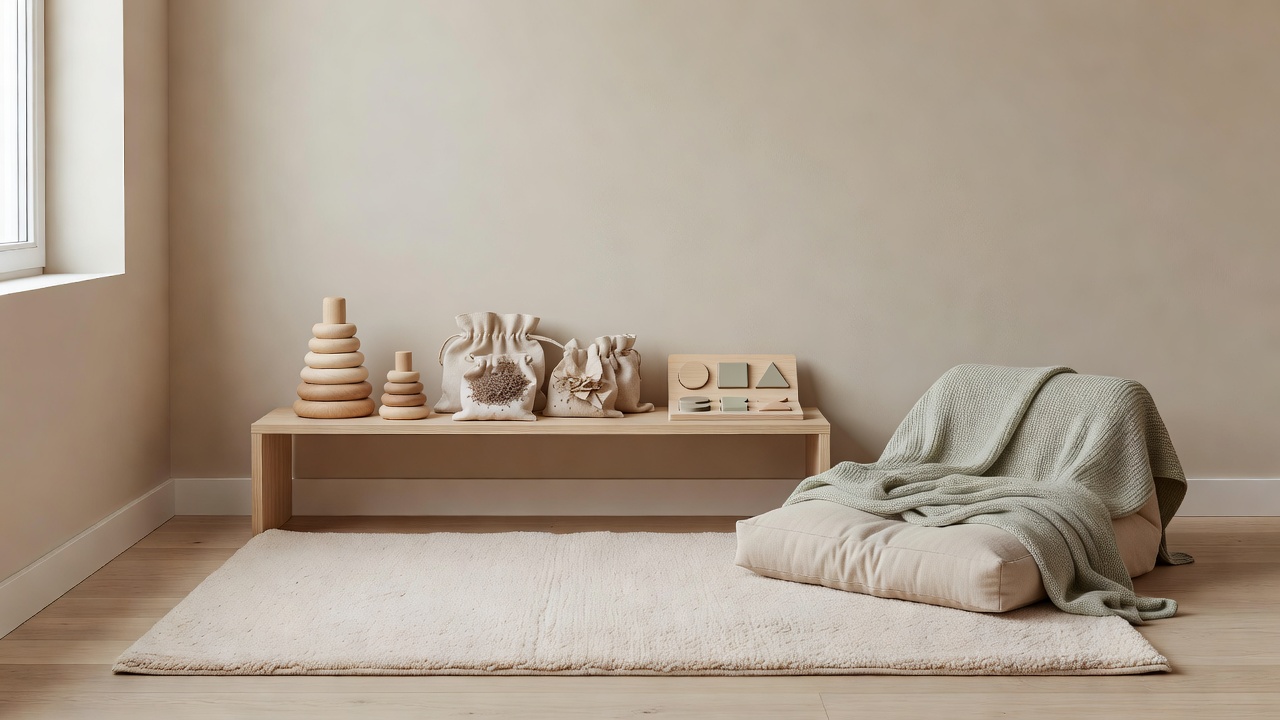
Quiet Time Toys Setup for Calm Toddler Corners
You want a spot where your toddler can settle without constant noise or bright colors pulling them in every direction. A quiet time toys setup does exactly that by giving them a small, low-stimulation area they can use on their own.
Parents often notice that a dedicated calm corner cuts afternoon meltdowns and helps little ones practice independent play. The good news is you can build one in a single evening with just a few clear choices.
Key takeaways
- Start with a small defined space rather than a whole room
- Pick toys that invite quiet exploration instead of noise or bright lights
- Use a simple rotation so the area stays fresh without daily resets
- Keep safety checks quick and part of your normal routine
- Watch for readiness signs before extending quiet time length
Why a Quiet Time Zone Helps Toddlers
Toddlers between 15 and 36 months often need short breaks from big play. A calm corner gives their nervous system a chance to slow down while still letting them stay engaged. Research from the American Academy of Pediatrics on toddler play shows that brief periods of focused, low-stimulation activity support attention and emotional regulation.
Many parents see better sleep and fewer evening tantrums once the zone becomes part of the day. It also builds the habit of independent play that grows stronger with time. One mom named Sarah noticed her 20-month-old son started reaching for the corner on his own after just four days of consistent use.
Picking the Right Spot in Your Playroom
Look for a corner or nook that already feels a little separate. A small rug, a low shelf, and one soft chair are usually enough to mark the area. Measure roughly four by four feet so the space feels contained but not cramped.
Place it away from high-traffic paths and loud toys. Natural light is nice, but avoid direct sun that can overheat the space during afternoon quiet time. If your playroom has a window seat, that often works well with a simple curtain pulled halfway for softer light.
Choosing Low Stimulation Toys
Focus on toys that invite quiet hands and minds. Skip anything that lights up, sings, or requires batteries. The goal is toys that encourage slow exploration rather than constant stimulation.
Here are good options to start with:
- Wooden puzzles with 4–6 pieces
- Soft fabric books
- Stacking rings or nesting cups
- One or two smooth wooden vehicles
- A small basket of large, plain blocks
- Simple shape sorters
- A quiet plush animal for cuddling
- One set of textured sensory balls
You can find more age-specific picks in our best PDF guide for 15 month play.
Setting Up the Space Step by Step
Follow these steps to get the zone ready tonight.
- Clear the floor area and add a washable rug.
- Place a low open basket with just five to seven toys.
- Add one soft seating option like a floor cushion.
- Hang a simple wall hook for a lightweight blanket.
- Label the basket with a picture so your child knows what belongs there.
That short list keeps the space from feeling cluttered while still giving enough to do. Many parents add a small plant or neutral artwork on the nearby wall to make the corner feel intentional without adding visual noise.
Daily Routine for Independent Play
Most toddlers settle into 20–30 minutes of quiet time once the routine is familiar. Start right after lunch or before nap when energy is lower. Offer a quick drink of water, point to the zone, and step back. Stay nearby at first so they feel safe, then gradually give more space.
If your child stands up after five minutes, calmly guide them back once and say the zone is for quiet hands. Consistency matters more than perfect length at the start.
Signs Your Toddler Is Ready for Longer Quiet Time
Watch for these signals before stretching sessions past 30 minutes. Not every child shows all of them, but two or three together usually mean they can handle more time.
- They return to the same toy for several minutes without frustration
- They stay seated or on the rug without wandering off
- They use soft voices or make humming sounds instead of loud calls
- They put toys back in the basket on their own
- They seem relaxed rather than restless after 20 minutes
- They ask for the corner by name or gesture
These cues help you extend time without forcing it. One family tracked their daughter’s sessions in a simple notebook and saw steady increases of five minutes every three days.
Toy Rotation That Keeps Things Fresh
Rotate toys every week or two so the corner stays interesting without growing messy. Keep the rest of your quiet toys in a labeled bin on a high shelf. This approach pairs well with the toy swap with other parents method when you want new options without buying more.
Try this simple weekly schedule:
- Monday: Swap one puzzle for a new one
- Wednesday: Replace the stacking toy with blocks
- Friday: Refresh the book basket with two different titles
- Sunday: Quick wipe-down of all surfaces
Safety Checks You Can Do in Minutes
Before each use, run through these quick checks:
- No small pieces that could fit in a mouth
- No loose strings longer than six inches
- All surfaces wipe clean with a damp cloth
- No sharp edges or broken parts
- Battery compartments stay closed and empty
Review the guidelines from the Consumer Product Safety Commission on toy safety for the latest recall information. For secondhand items you add later, follow the five-step check in our guide on checking secondhand toys for hazards.
| Toy Type | Stimulation Level | Best Age Range | Why It Works in a Quiet Zone |
|---|---|---|---|
| Wooden puzzle | Low | 18–36 months | Encourages focus without noise |
| Fabric book | Low | 12–30 months | Soft pages, no crinkle sounds |
| Stacking cups | Low | 12–24 months | Simple stacking, easy to reset |
| Large blocks | Low | 18–36 months | Builds quietly, stores flat |
Common Mistakes Parents Make
Avoid these three traps that turn a calm corner into another busy spot:
- Adding too many toys at once
- Using bright primary colors everywhere
- Placing the zone next to the TV or kitchen
A smaller, simpler setup almost always works better. One dad realized his corner felt chaotic because he had added three new toys the same week; removing two brought the calm back immediately.
How This Fits Your Bigger Toy System
The quiet time toys setup becomes one small piece of a calmer playroom. Pair it with a weekly 10-minute reset and you keep the whole space feeling lighter. For families with siblings, the same calm corner can work for different ages when you choose toys that overlap safely. See our PDF guide for siblings 0-3 for stage-by-stage ideas.
Next Steps You Can Take Tonight
- Pick the corner and clear it before dinner
- Choose five toys from the list above and put them in one basket
- Set a timer for 20 minutes tomorrow and watch how your child uses the space
- Note what they reach for most and keep those items in rotation
- Add one readiness sign to watch for this week
You now have a simple, repeatable system that supports calmer days without extra stuff. Start tonight and adjust based on what your toddler shows you.
FAQ
How many toys should I put in the quiet time zone?
Start with five to seven items. That number keeps choices simple and the space from feeling overwhelming.
What age is best for starting a calm corner?
Most toddlers respond well between 15 and 18 months. You can begin earlier with just a soft mat and one or two fabric books if your baby shows interest in quiet moments.
Can I use the same toys for both playtime and quiet time?
Yes, but keep the quiet set separate so your child learns the difference. A quick swap between baskets makes the distinction clear.
How often should I rotate the toys?
Every seven to ten days works well for most toddlers. Watch for signs of boredom and swap one or two items at a time.
Where can I learn more about safer toy choices?
Check the safer toy choices guide for first-time parents for quick label-reading tips and everyday hazard checks.