Build a Holiday Toy Reset System in One Evening
8/29/2026
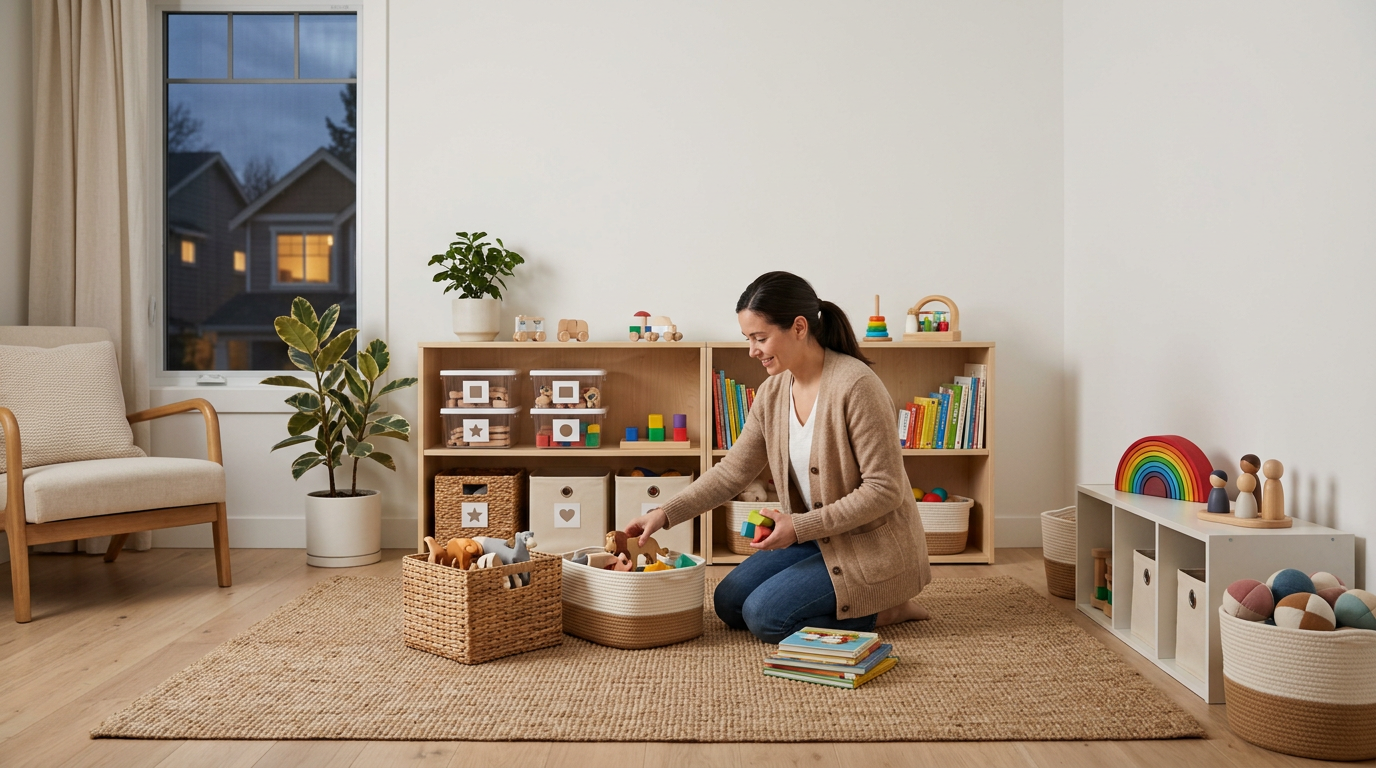
Build a Holiday Toy Reset System in One Evening
You open the playroom door after a busy week and toys spill everywhere. A holiday toy reset system fixes that fast so you can enjoy the season without the mess.
Parents like you want safer toy choices and cleaner play spaces that actually last. This one-evening plan uses our parent-tested rotation method to cut clutter and match toys to your child's stage.
Key takeaways
- Sort toys by age and use in under an hour
- Set up zones and labels for daily calm
- Add a 10-minute weekly reset that sticks
Why a Simple Holiday Toy Reset System Works
Holiday visits and new gifts can double the toy pile overnight. A quick reset keeps play focused instead of frantic. You end up with fewer options out at once, which helps kids actually play longer. Little Toys, Real Joy comes from matching what stays visible to real milestones. Busy parents notice the difference right away because the room feels lighter and arguments over toys drop.
When toys match current skills, children stay engaged without constant adult help. This approach avoids the common trap of keeping everything out at once. Instead you rotate based on interest and growth, which supports happier everyday play through the busiest months.
Gather Supplies Before You Start
Collect these items in ten minutes so the reset flows without stops.
- Three bins labeled keep, store, and swap
- Masking tape and a marker
- Printable checklist from our guides
- Phone timer for the 10-minute weekly reset
- Small basket for broken pieces
- One roll of shelf paper for quick zone lines
- Notebook for quick notes on what gets used most
Each supply serves a clear purpose. Bins keep decisions fast while the timer prevents the project from stretching into the night. Parents who prep these items first finish the whole system before bedtime.
Sort Toys by Age and Current Use
Pull everything out and group items fast. This step alone clears half the floor.
- Babies 0-6 months: soft books and rattles only
- Sitting stage 4-7 months: stackers and cause-effect toys
- Crawlers 6-9 months: push toys and balls
- Toddlers 12-24 months: simple puzzles and pretend sets
- Two-year-olds: building blocks and art supplies
- Three-year-olds: dress-up items and basic games
Check any secondhand finds with this five-step hazard guide before they return to the rotation. You will quickly see which toys still match your child's current skills and which ones can move to storage. Sorting by stage also reveals duplicates that add clutter without value.
Match Toys to Developmental Milestones
Age labels on the box do not always match real skills. Spend a few minutes matching each keep pile to what your child can do right now.
- Fine motor items like stacking rings for early grasp
- Gross motor choices such as push carts for walkers
- Language toys including picture books for pointing and naming
- Problem-solving sets like shape sorters once sitting is steady
This matching step prevents the frustration that comes from toys that are either too simple or too advanced. You will notice calmer play within a day or two.
Create Play Zones That Stay Tidy
Divide the room into three clear areas so toys have homes. Kids learn where things belong without reminders.
- Quiet corner for books and soft toys
- Active floor space for movement toys
- Table zone for building and art
A toy swap with other parents refreshes ideas without adding bulk. See how families do it in Toy Swap With Other Parents. Zones also make the 10-minute weekly reset faster because everything has a clear home.
Run a Fast Safety Scan
Look over each keep item while you sort. Skip anything with loose parts or broken edges.
- Squeeze soft toys to check stuffing
- Tug on wheels and strings
- Scan for small parts under three inches
- Wipe surfaces with a damp cloth
- Test battery compartments for secure covers
Follow the latest CPSC toy safety recommendations for any items that raise questions. First-time parents often use our safer toy choices guide to speed this step. A quick scan now prevents mid-holiday surprises.
Printable Labels and Rotation Cards
Print simple labels tonight so the system runs itself later. One label per bin keeps everyone on track.
- "This week" bin for current favorites
- "Next month" bin for stored toys
- "Outgrown" box for swaps or donations
- "Repair" spot for items needing a quick fix
Labels turn the reset into a repeatable habit instead of a once-a-year chore. You can reuse the same cards each season.
Set Up Your 10-Minute Weekly Reset
Pick one evening slot and keep it short. The goal is light maintenance, not deep cleaning.
- Walk the room and return stray toys
- Swap one item from storage if interest drops
- Wipe the active zone surfaces
- Note any new hazards in your checklist
- Check that zones still match your child's latest skills
This short routine prevents the pile from growing again before the next holiday gathering.
Compare Rotation Methods
| Method | Time per week | Clutter level | Best for |
|---|---|---|---|
| Full room reset | 45 minutes | Low after reset | Big holiday cleanups |
| 10-minute weekly reset | 10 minutes | Steady low | Busy families year-round |
| Daily pickup only | 5 minutes | Medium | Small toy sets |
Most families land on the middle option because it fits real schedules. The table shows why a consistent short reset beats occasional big efforts.
Involve Your Child in the Holiday Toy Reset System
Let your toddler help with simple parts of the process. Kids who choose what stays out stay more invested in keeping the space tidy.
- Hand them two toys and ask which one feels fun today
- Let them place items into the labeled bins with you
- Point out the new zone lines and name each area together
- Celebrate when the floor clears by reading one book in the quiet corner
This involvement turns the reset into a shared activity rather than a parent-only task. It also teaches early habits around caring for play spaces.
Maintain Calm Play Spaces All Season
After the initial evening, small tweaks keep the system working. Rotate one or two toys each week based on what your child actually reaches for. Watch for new gifts and decide immediately whether they join the active set or move to storage. When relatives ask what to bring, point them toward open-ended items that fit your current zones. These habits protect the calmer playroom you built in one evening.
Next Steps After Your Reset
- Download the matching PDF guide for your child's stage at Which PDF Play Guide Fits Your Family
- Test the 10-minute weekly reset for two weeks
- Adjust zones if one area stays messy
- Share the system with your partner so it lasts
Start tonight with the bins you already have. One focused evening gives you a holiday toy reset system that supports calmer play spaces through the holidays and beyond.
FAQ
How long does a full holiday toy reset system really take?
Most parents finish the sort and zone setup in 90 minutes when they follow the checklist.
Can I use this with siblings of different ages?
Yes. Keep one shared active zone and separate quiet bins so each child has age-right options without overlap.
What if new holiday gifts arrive mid-season?
Add them to the "This week" bin and move one older toy to storage the same night.
Do I need special storage furniture?
No. Clear bins and floor labels work fine. The rotation method keeps volume low.
Where do I find the printable labels?
Grab them inside any of our instant-download PDF guides made in Houston for busy parents.