Skip These Toys at Age Three for Focused Play
8/29/2026
Skip These Toys at Age Three for Focused Play
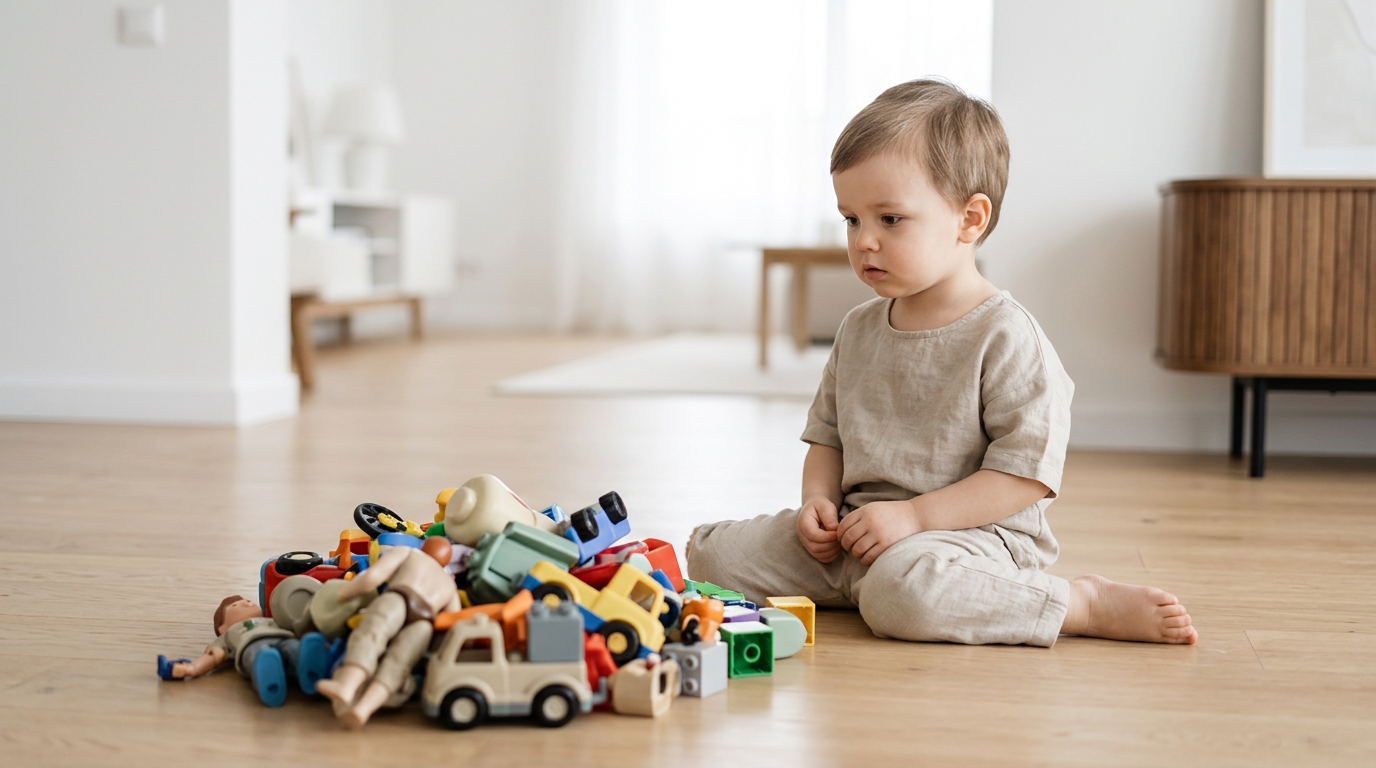
Parents often notice their three-year-old jumping from one toy to another without settling. The right cuts in your toy collection can change that fast.
Key takeaways
- Focus on open-ended items that match real skills
- Cut noise, lights, and tiny pieces that scatter attention
- Use a simple rotation system to keep play calm
Why Three-Year-Olds Need Focused Play
At this stage kids start sustained pretend play and early problem solving. Toys that flash, beep, or demand constant adult help pull them away from those skills. We see the same pattern with families who keep too many electronic or single-use items. A short list of what to skip makes room for better choices that support longer attention spans.
Three-year-olds benefit when play stays simple because their brains are wiring for creativity and social skills. Overstimulating toys often interrupt that natural process. Parents report kids return to the same few favorites once the noisy options disappear from the shelf.
Toys That Add Noise and Distraction
Electronic gadgets with screens or constant sounds top the list. They train kids to expect entertainment instead of creating it. Many of these items also run on small batteries that can become choking hazards if the compartment opens.
- Battery-operated talking toys
- Light-up tablets made for toddlers
- Musical instruments that never stop
- Cars that race on their own
- Story readers that read every page aloud
- Remote-control vehicles with flashing lights
- Electronic learning boards with multiple modes
Swap those for simple wooden trucks or a basket of blocks. Your child will start making the noises and stories themselves. Follow the Consumer Product Safety Commission toy guidelines before keeping any battery-powered item that could fail safety tests.
Overly Complex Building Sets
Big kits with hundreds of tiny pieces often end up dumped and ignored. Three-year-olds still need big, chunky parts they can manage without frustration. Smaller sets let them finish a structure before losing interest.
Keep sets under thirty pieces and sort the rest for later years. Toys that grow with child picks that last through age 3 shows exactly which sets stretch across ages without overwhelm. Trade the extra pieces for open-ended blocks that encourage stacking and knocking down again and again.
Toys with Too Many Rules or Pieces
Anything that requires matching cards, spinning wheels, or following printed directions usually sits on the shelf. These items work better at four or five. At three the goal is free exploration rather than following steps.
- Board games with small cards
- Puzzle sets with more than twelve pieces
- Craft kits that need glue and glitter
- Doll houses with dozens of accessories
- Shape sorters that demand exact matches
- Memory games with twenty pairs
A short rotation keeps the favorites in reach and the rest out of sight. This approach also cuts cleanup time because fewer pieces scatter across the floor.
Secondhand Toys That Need Checking
Hand-me-downs are great, yet some carry hidden risks. Run every new-to-you item through a quick safety scan first. Many families find that a five-minute check prevents later problems with broken parts or hidden small pieces.
- Check for broken edges or loose parts
- Test batteries and remove them if loose
- Look for small parts that fit through a toilet-paper roll
- Wipe surfaces with mild soap
- Store only what passes all five checks
- Label the toy with the date you inspected it
Check secondhand toys for hazards in five steps gives printable labels so the whole family can help. The American Academy of Pediatrics also recommends reviewing toy safety tips for parents before adding any used item to the rotation.
Comparison: Skip vs Keep at Age Three
| Toy Type | Why It Distracts | Better Everyday Pick |
|---|---|---|
| Talking electronic toy | Constant noise, no imagination | Wooden car or animal figures |
| 200-piece building kit | Tiny parts, quick mess | 20 large blocks |
| Light-up tablet | Screen time, short attention | Felt board with shapes |
| Bead maze with music | Overstimulation | Simple stacking cups |
How a Toy Rotation Keeps Play Focused
A weekly reset takes ten minutes and stops the clutter cycle. Start with these steps and adjust based on what your child actually plays with most.
- Pull three toys from the current bin
- Add two new ones from storage
- Watch what your child actually reaches for
- Remove anything untouched after three days
- Repeat every Sunday evening
- Note which toys spark the longest sessions
Toys for 2 year old development match skills step by step includes a printable rotation chart that works right into age three. Families who stick with the method often notice calmer afternoons within two weeks.
Building a Focused Play Area Without Extra Bins
A single low shelf or corner works better than a full room of options. Place the current rotation items within easy reach and store the rest in one labeled bin out of sight. This setup reduces decision fatigue for both you and your child.
Choose a spot near natural light but away from high-traffic paths. Add a small rug to define the space and keep pieces contained. Limit the area to one type of play at a time, such as building or pretend, so attention stays sharp.
- One open basket for blocks
- A low hook for dress-up scarves
- A tray for play dough tools
- Two trucks parked side by side
- A simple puzzle board on the floor
Revisit the corner each evening and return stray pieces to their spots. The limited footprint also makes it easier to vacuum or wipe down surfaces quickly.
Safer Choices That Support Real Skills
Look for open-ended items that grow with your child. Sensory toys versus skill toys shows the difference between items that just feel nice and ones that build coordination. Simple materials often win because they invite imagination instead of directing it.
- Large wooden blocks
- Dress-up clothes in a small basket
- Play dough with one rolling pin
- A few sturdy trucks
- Simple puzzles with big knobs
- Soft balls for rolling games
- Cloth books with textures
These picks stay useful longer and need less adult help. Many parents find that three or four well-chosen categories cover most days without extra purchases.
Quick Safety Rules Before You Buy
Always read the age label on the box. If it says four and up, wait. Check materials for lead-free paint and sturdy construction. Avoid anything with strings longer than six inches.
Next Steps You Can Take Tonight
- Walk through your play area and pull the five noisiest toys
- Set up one rotation bin for this week
- Grab our free printable checklist at Little Baby Toys
- Try the new setup for seven days and note what changes
- Share the rotation plan with any caregivers who visit
Small cuts now lead to calmer afternoons and more real play. Start with the noise items first because those changes show results the quickest.
FAQ
What toys should I skip at age three?
Skip battery toys, tiny-piece kits, and anything with constant lights or sounds. These items break focus fast.
How many toys should a three-year-old have out at once?
Keep eight to twelve items visible. Rotate the rest so each toy feels new again.
Are secondhand toys safe for this age?
Yes, once you check for hazards. Follow the five-step check to spot loose parts or small pieces.
Will fewer toys really help my child focus?
Most families notice longer play sessions within a week of cutting the noisy or overstimulating items.
Where can I find age-right replacement ideas?
Our PDF guides list exact picks by stage and include printable labels so you can set up calm spaces without guesswork.