Toys for First Steps Toddlers That Skip Extra Gear
9/9/2026
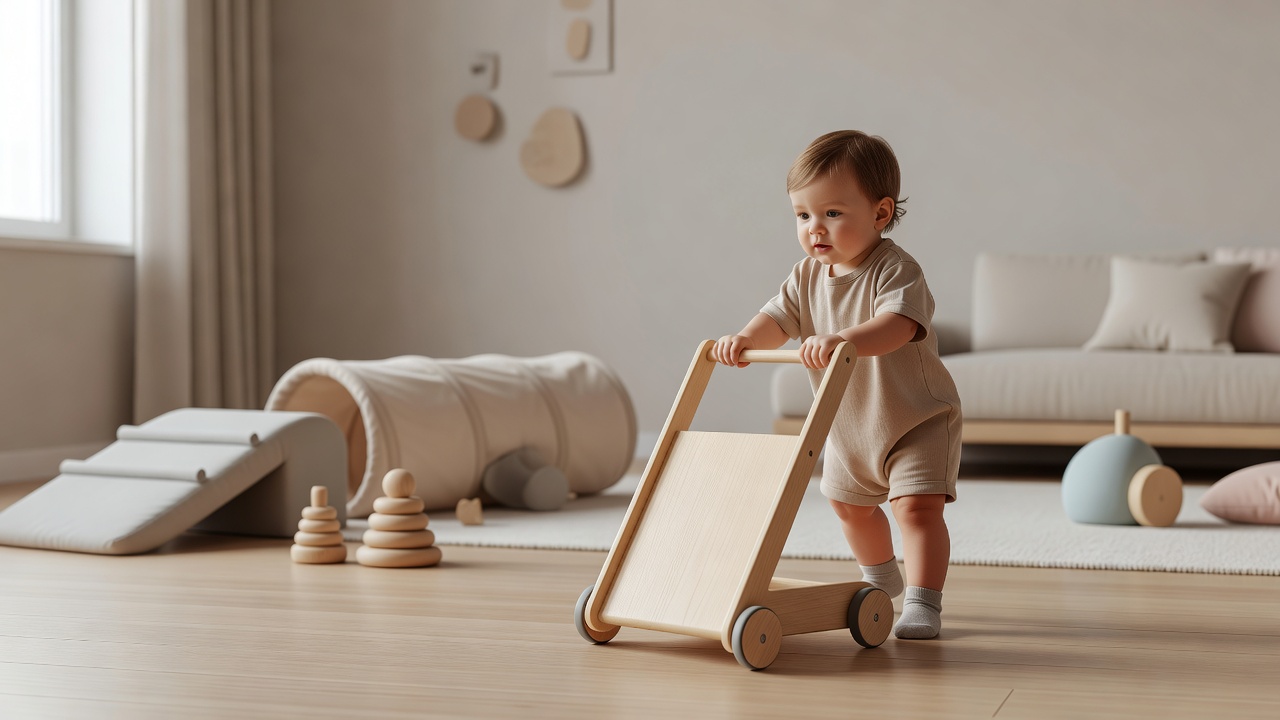
Toys for First Steps Toddlers That Skip Extra Gear
Parents often watch their little one cruise along the couch and wonder what toys actually help next. The right picks fit right into your day without buying special stands or mats.
Key takeaways
- Focus on low toys that encourage cruising and independent steps.
- Check labels for stable bases and no small parts.
- Rotate three to four items weekly to keep spaces calm.
You already have most of what you need at home. Little Toys, Real Joy comes from matching the toy to the milestone, not the store shelf.
Why Simple Floor Toys Work for Early Walkers
Toddlers learn balance best when they can reach and move at their own pace. Toys that sit on the floor let them pull up and practice without extra supports. A soft ball rolled a short distance often sparks the first solo steps. Stacking cups turned into a line on the rug give a clear path to follow. Many parents notice that these simple items reduce falls because the child stays close to the ground.
Floor play also builds core strength through repeated reaching and bending. You see progress when your toddler stands longer each day without holding on. This approach avoids the clutter of big equipment that takes up space in small homes.
Age-Right Picks That Match the Walking Stage
Choose based on what your child does right now, not the next birthday. The CDC developmental milestones guide outlines typical ranges so you can match toys without pressure.
- 9-12 months: low push carts or foam blocks they can lean on
- 12-15 months: rolling toys they chase across the room
- 15-18 months: pull strings on light wagons or soft animals
- 18-24 months: lightweight trucks they steer while walking
- 24-30 months: balance boards they step on and off
These keep movement natural and cut the need for big setups. Watch how your child interacts for a few days before adding more.
Safety Checks You Can Do in Two Minutes
Read the label for age 12 months and up before you hand it over. Look for wide bases so the toy does not tip when they lean. The American Academy of Pediatrics toy safety tips remind parents to test stability at home.
- No loose ribbons longer than six inches
- Rounded edges on every piece
- Materials that wipe clean after floor time
- Stable weight under two pounds for easy moving
- No small parts that fit through a toilet paper roll
- Smooth wheels that do not catch on rugs
Safer toy choices start with these quick checks every time you rotate items. Run your hand over surfaces to feel for sharp spots before play begins.
How to Set Up a Clutter-Free Movement Zone
Clear one corner of the room and keep only three toys out at once. This gives space to practice steps without tripping over bins.
- Place a low shelf at child height for the current rotation.
- Store the rest in a closet out of sight.
- Reset the zone after dinner in under ten minutes.
See how shelves vs bins playroom for 10-minute resets keeps the floor open for walking practice. Mark the area with a small rug so your toddler knows the safe zone.
Toy Types Compared for Walking Practice
| Toy Type | How It Helps Walking | Floor Space Needed | Cleanup Time |
|---|---|---|---|
| Rolling ball | Encourages chasing and balance | 4x4 feet | 30 seconds |
| Stacking cups | Builds reaching and cruising | 3x3 feet | 1 minute |
| Soft pull toy | Practices forward steps | 5x5 feet | 45 seconds |
| Foam blocks | Supports pulling up safely | 3x3 feet | 2 minutes |
| Lightweight truck | Builds steering while moving | 4x4 feet | 1 minute |
Pick two types that match your child's current reach and skip the rest. Test one new type each month to see what holds interest longest.
Daily Play Ideas That Fit Real Life
Morning light play after breakfast works well because energy is high. Roll the ball toward the window and let them follow. Keep sessions short so your toddler stays eager.
- Sit on the floor and clap when they take a step
- Keep the path clear of shoes or bags
- End the session when they lose interest, usually after ten minutes
- Place a favorite soft toy just out of reach to encourage one more step
- Use a mirror on the wall so they watch their own movement
- Sing a simple song during practice to add rhythm
- Offer a drink break midway to prevent frustration
- Note which direction they prefer walking and adjust the path
These short bursts add up without turning the room upside down. Try one idea per day and adjust based on mood.
Rotation Method That Keeps Interest High
Swap toys every four days so the same three items feel new again. Mark the calendar on your phone so it stays simple.
- Monday: ball and two cups
- Friday: pull toy and blocks
- Next week: repeat the pattern
- Track which toy gets the most use in a notebook
- Store similar items together in labeled bins
- Involve your toddler in choosing the next swap
A minimalist toy set vs rotation which one wins shows why this keeps movement spaces calmer. The method prevents boredom while protecting floor space.
Encouraging Independent Steps Without Pressure
Some toddlers pause for weeks before taking solo steps, and that pause is normal. Offer toys that reward small reaches rather than demanding long walks. Place items slightly farther each day but celebrate any movement.
Watch for signs of readiness like standing without support for five seconds. If your child seems frustrated, switch to a rolling toy that comes back on its own. This builds confidence through success instead of struggle.
- Praise effort with specific words like "nice reach"
- Avoid comparing progress with other children
- Keep the area well lit so they see the toy clearly
- Use soft flooring like a play mat under the main path
- End on a positive note even if no new steps happen
Parents who stay calm see steadier progress over time.
Printable Checklist for Your Next Reset
Print this list and tape it inside the closet door.
- Wipe toys with a damp cloth
- Check for cracks or loose parts
- Return unused items to storage
- Note which toy your child reached for most
- Plan the next three items based on that note
- Test each toy for stability before returning it to the shelf
- Sweep the floor area to remove small debris
- Adjust lighting if shadows make toys hard to see
Do this once a week and the floor stays ready for steps. The routine takes less time than one load of laundry.
Next Steps You Can Take Tonight
Start with the toys already in your living room and test one change. Remove anything taller than your child's knee for the next three days. Add one new play idea from the daily list and watch what happens.
Grab our PDF Guide Toy Spending if you want a full list of age-right picks and rotation labels ready to print. Your toddler will practice walking in the space you already have.
FAQ
What age do most toddlers take first steps?
Many begin cruising at 9 months and walk alone between 12 and 15 months, though every child moves at their own pace.
Can household items replace special walking toys?
Yes. A line of soft blocks or a rolled towel on the floor often works as well as store-bought options and adds no extra clutter.
How many toys should stay out during practice time?
Keep three or fewer visible so your child focuses on movement instead of choosing. Store the rest and rotate weekly.
Are push toys safe on hard floors?
Only if the base is wide and the wheels roll smoothly. Always stay nearby during the first few uses.
Where can I find parent-tested checklists for these stages?
Our instant download guides include printable labels and stage breakdowns that fit the exact milestones you see at home.