Minimalist Toy Set vs Rotation: Which One Wins?
8/30/2026
Minimalist Toy Set vs Rotation: Which One Wins?
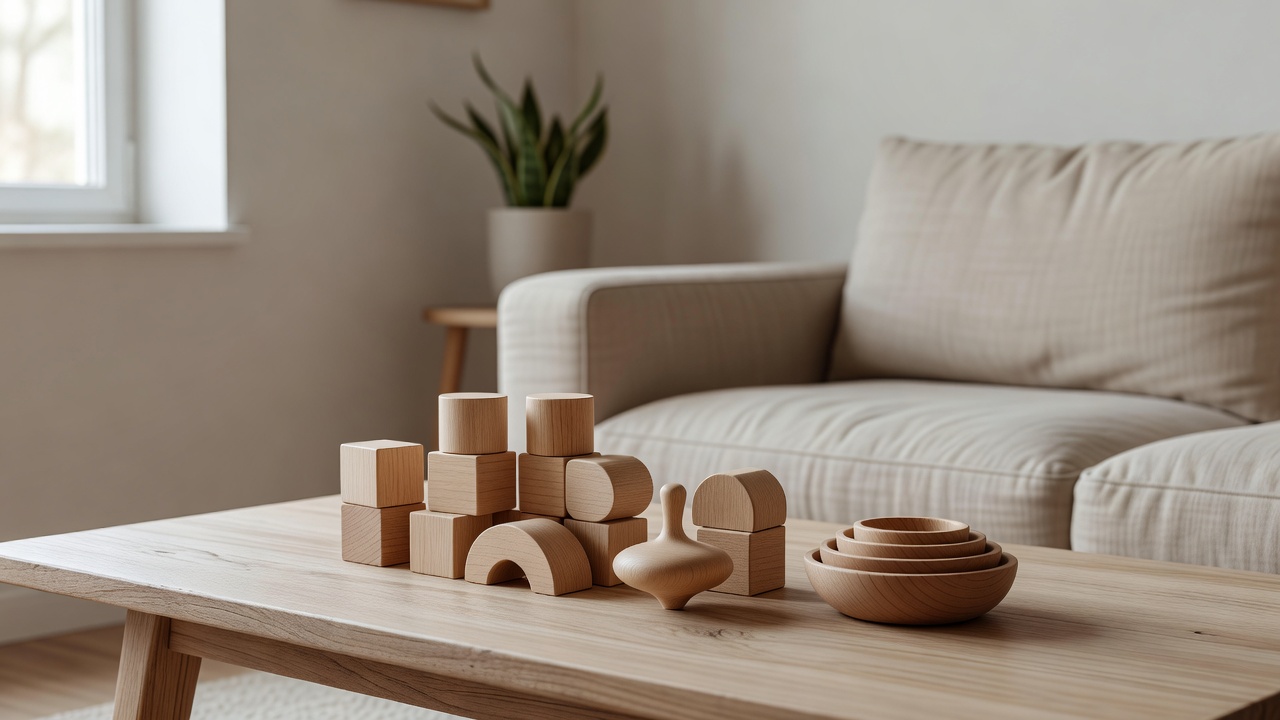
Many parents wonder if a minimalist toy set or a full rotation system keeps play calmer with less mess. A minimalist toy set often wins for busy homes because it cuts decisions and clutter right away.
You get focused play without sorting bins every week. Here are the key takeaways before we dive in:
- A minimalist toy set limits options to 8-12 pieces per stage
- Rotation adds variety but needs weekly resets
- Both support milestones when you match age and safety labels
- Test one approach for two weeks to see what feels lighter
What Makes a Minimalist Toy Set Work
A minimalist toy set keeps only items that match current skills. Start by clearing the floor to what your child actually reaches for each day. Parents often notice that fewer choices lead to longer stretches of independent play because kids are not overwhelmed by options.
Quick checklist for your first minimalist toy set:
- One stacking toy for fine motor work
- Two soft books with bright pictures
- Three open-ended blocks or shapes
- One cause-and-effect rattle or button toy
- Two comfort items like a soft doll or blanket
- One simple puzzle with 3-4 pieces
This list stays under 12 items and rotates only when milestones shift. You avoid the overwhelm of full bins while still hitting real developmental needs. Many families find that sticking to this core set also makes it easier to spot when a toy no longer fits, so you can remove it without second-guessing.
How a Toy Rotation System Works
Rotation keeps more toys but hides most of them. Pull out a new group every 7-10 days so play feels fresh without buying extra. The key is consistency so the swap becomes a quick habit rather than a big project.
Five steps to run a simple rotation:
- Sort current toys into three groups of similar size
- Keep one group out and store the others out of sight
- Swap groups on the same day each week
- Wipe pieces during the swap for a quick clean
- Note which items your child ignores and remove them next round
Many families pair rotation with a quiet time toys setup for calm toddler corners so independent play stays low-stim. If your toddler starts to lose interest mid-week, you can always pull one hidden piece as a surprise instead of doing a full swap.
Side-by-Side Comparison
See how the two approaches stack up on daily life.
| Aspect | Minimalist Toy Set | Full Rotation System | Better For |
|---|---|---|---|
| Daily cleanup time | 3-5 minutes | 8-12 minutes | Minimalist toy set |
| Variety for child | Lower but deeper focus | Higher but can scatter attention | Depends on your toddler |
| Storage needed | One small basket | Three or more bins | Minimalist toy set |
| Cost to start | Lower, buy once | Higher if you already own extras | Minimalist toy set |
| Milestone support | Strong when items match stage | Strong if you rotate age-right | Tie |
The table shows a minimalist toy set wins on speed and space for most small homes. You can always layer in a light monthly swap later if your child shows signs of boredom.
Keeping Play Safe With Fewer or Rotated Toys
Safety stays the same whether you choose a minimalist toy set or rotation. Always read labels for age ranges and materials before anything reaches the floor. Check for small parts, loose strings, or broken edges every time you pull an item from storage.
Five quick safety habits that fit both systems:
- Scan for recalled items using the CPSC database before adding anything new
- Wipe surfaces with mild soap during each weekly reset
- Store batteries separately if toys require them
- Replace anything with chipped paint right away
- Keep a small basket for "outgrown" pieces you can pass along
Follow the American Academy of Pediatrics toy safety guidelines for age-specific checks, and review the CDC guidance on lead in toys when shopping secondhand. These steps keep play spaces calm without extra worry.
When Fewer Toys Win for Development
Fewer toys let kids repeat actions and build mastery faster. You notice longer attention spans within days. A minimalist toy set also reduces the mental load on you because you are not constantly picking up scattered pieces.
Signs a minimalist toy set fits your child:
- They line up or stack the same pieces repeatedly
- New toys get ignored after 10 minutes
- Cleanup feels like a battle every evening
- You want safer toy choices without scanning dozens of labels
Swap in one new item only when skills change, like moving from rattles to simple shape sorters around 9 months. This steady approach often leads to calmer evenings because the play space never feels crowded.
When Rotation Helps Busy Families More
Rotation shines if your child loses interest quickly or you live in a tight space. It refreshes play without new purchases. Some toddlers thrive on the surprise element of seeing a familiar toy again after a week away.
Try rotation first if you already own a big collection. Link it with a toy swap with other parents to refresh items without adding clutter. Track how your child responds after the first two swaps to decide if the extra effort pays off.
Simple Steps to Test a Minimalist Toy Set
Try this two-week test:
- Pick 8-10 toys that match your child's current stage
- Box the rest and store them out of reach
- Watch which pieces get daily use
- Remove any toy untouched after five days
- Note mood and cleanup time each evening
Track results on paper or your phone. Most parents see calmer mornings and quicker resets. If your child seems restless, add one item from storage rather than abandoning the test.
Building Your Own Rotation on a Small Scale
You can run a light rotation even with a minimalist toy set. Keep two small groups and swap them monthly instead of weekly. This hybrid works well during holidays. Use the steps in our build a holiday toy reset system in one evening guide to keep everything tidy.
Parents who try this middle path often report the best of both worlds: focused play most days with just enough variety to hold attention through long weekends.
Common Mistakes Parents Make With Both
Watch for these traps:
- Adding "just one more" toy every week
- Rotating too often and losing the calm effect
- Ignoring safety labels on secondhand pieces
- Keeping toys that no longer match milestones
Check secondhand finds with the five-step process from trusted sources like the CPSC toy safety page before they enter the mix. Another common slip is forgetting to clean during swaps, which can lead to hidden dirt buildup over time.
Decide What Fits Your Home
Start with a minimalist toy set if you want instant calmer play spaces and fewer decisions. Shift to rotation later if your child craves more variety.
Next steps to try this week:
- Count the toys currently on the floor
- Choose 8-12 keepers that support today's skills
- Box the rest tonight
- Download our free printable checklist from the safer toy choices guide for first-time parents
- Track play time and cleanup for seven days
You will know within two weeks which system feels right for your family.
FAQ
Does a minimalist toy set really support milestones?
Yes, when you pick items that match the current stage. Focus on open-ended pieces that grow with your child rather than single-use gadgets.
How often should I rotate toys?
Most families swap every 7-10 days. Watch your child—if interest drops after four days, shorten the cycle slightly.
Can I mix both approaches?
Absolutely. Keep a small core minimalist toy set out and rotate one extra group monthly for variety without daily work.
What if my toddler gets bored fast?
Add one new item from storage instead of a full swap. This keeps the minimalist toy set feel while giving a quick refresh.
Where do I find parent-tested checklists?
Our instant download guides include ready-to-print labels and stage lists that fit real homes. Grab the one that matches your child's age from littlebabytoys.com.