Quiet Play Corners Setup for Any Room Size
10/30/2026
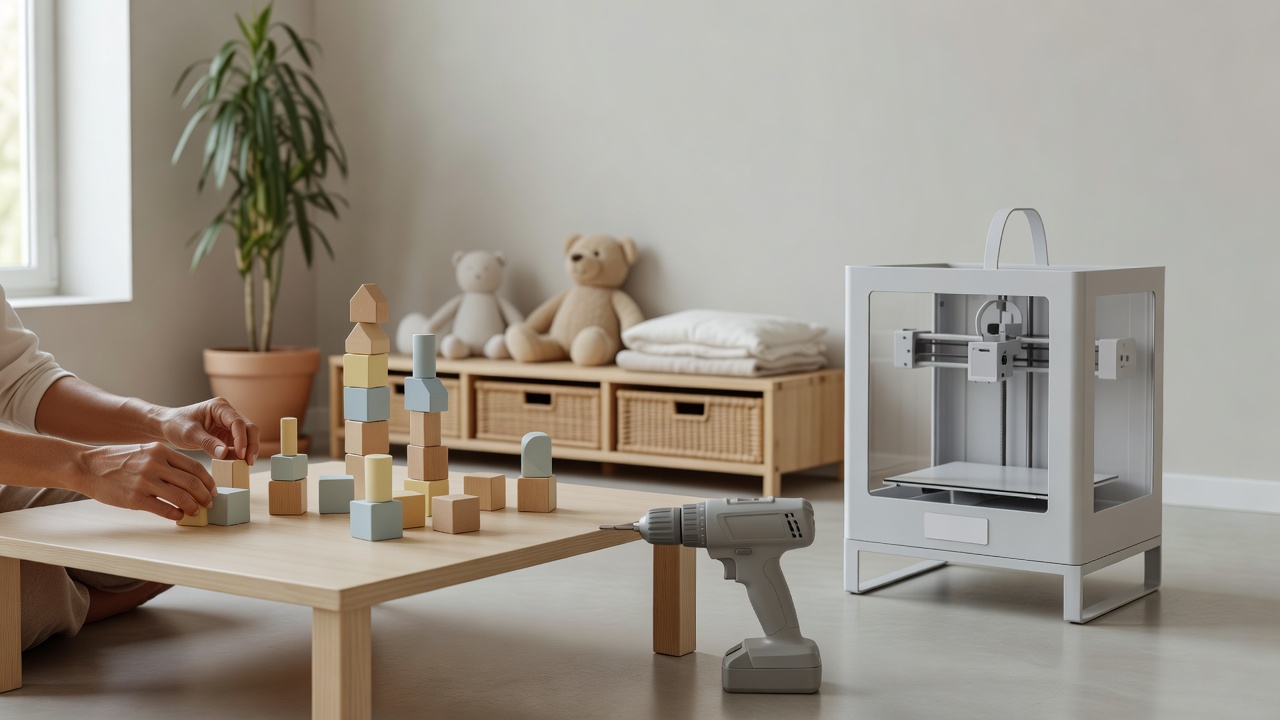
Quiet Play Corners Setup for Any Room Size
You want a spot where your little one can play without turning the whole house upside down. A quiet play corners setup gives toddlers a defined place to focus, explore, and unwind while you keep an eye on them from the couch or kitchen.
Parents often find that one calm corner cuts daily noise and makes the rest of the room feel lighter. The trick is matching the corner to your actual space instead of forcing a big-room plan into a small apartment.
Key takeaways
- Start with one low-traffic spot you already have
- Pick three to five toys that match your child's current stage
- Use soft boundaries like a small rug or low shelf
- Rotate items weekly so the corner stays fresh
- Run a quick five-minute reset at the end of each day
Pick the Right Spot in Your Home
Look for a corner that stays out of the main walking path. A nook beside the sofa or the end of a hallway often works better than the center of the living room. Consider natural light levels too, since morning sun can make a corner feel inviting while afternoon glare might need a sheer curtain.
Measure the floor space first. Even a three-by-three-foot area gives a toddler enough room to sit and reach without crowding the rest of the room. If you have stairs, the landing can double as a quiet zone with a folded blanket. Test the spot during your child's usual play times to see if foot traffic from siblings or pets disrupts focus.
Choose Toys That Encourage Calm Play
Focus on toys that invite quiet exploration rather than loud action. Quiet language toys toddlers reach for daily show how simple books and stacking cups support early words without screens. Always check labels for small parts that could pose risks, following the CPSC guidelines on age-appropriate toys.
Here are five parent-tested picks that stay calm:
- Soft cloth books with textures
- Wooden stacking rings in two sizes
- One shape sorter with five pieces
- A small basket of fabric blocks
- A single plush animal for comfort
Avoid anything with buttons, lights, or music for this corner. Trade-offs matter here: a set of three stacking cups lasts longer than a larger noisy set because it invites repeated, focused use.
Use Simple Boundaries to Define the Corner
A low shelf or a folded play mat marks the edge without blocking the room. Toddlers understand the space faster when the boundary stays consistent. If the floor is hard, add a thin nonslip pad under the mat for extra comfort during longer sessions.
Try these three options and pick one that fits your floor:
- A small area rug in a solid color
- Two low book bins placed side by side
- A lightweight room divider panel that folds flat
Add Soft Elements for a Soothing Feel
Soft lighting and a cushion help the corner feel separate from the rest of the room. A floor pillow or a small bolster gives your child a place to lean while they play. Choose washable covers so spills do not become a daily worry.
Keep the colors muted. One or two neutral tones plus the toys themselves create enough visual interest without overstimulation. Many parents notice their toddler stays longer when the corner feels cozy rather than bright and busy.
Align Play with Developmental Milestones
A quiet play corners setup works best when the toys match what your child is learning right now. Babies around six to twelve months reach for items that support grasping and mouthing, while toddlers one to two years old benefit from simple puzzles that build hand strength. Printable Milestone Logs Cut Guesswork for Parents offers a quick way to note what clicks each week.
Use this stage-by-stage list to choose items:
- 6-9 months: textured books and soft rings for mouthing and shaking
- 9-12 months: stacking cups that nest and un-nest
- 12-18 months: shape sorters with large pieces
- 18-24 months: fabric blocks for building short towers
- 24-36 months: one quiet puzzle with four to six pieces
Check the CDC developmental milestones page for quick reference when your child shows new skills. Swap one item only when you notice steady interest in the next level.
Rotate Items to Keep Interest High
A weekly swap prevents the corner from becoming background noise. Pull one toy out and add one new item from your storage bin. How to Set Up One Toy Focus Play for Babies walks through matching single toys to short attention spans.
Follow this quick rotation checklist:
- Sunday evening: scan the corner for five minutes
- Remove anything that looks worn or ignored
- Add one new item that matches the next developmental step
- Note which toy your child reaches for first
- Repeat the same day each week
Adapt for Small Spaces or Large Rooms
Small rooms need vertical thinking. Mount a low shelf on the wall and keep the floor clear. Large rooms let you add a second soft seat or a small table for drawing. In both cases, keep the total toy count under five so the space never feels crowded.
| Room Size | Corner Size | Key Items | Reset Time |
|---|---|---|---|
| Studio or one-bedroom | 3x3 feet | 3 toys, 1 rug, 1 cushion | 5 minutes |
| Two-bedroom apartment | 4x4 feet | 4 toys, 1 low shelf, 1 mat | 7 minutes |
| Three-plus bedrooms | 5x5 feet | 5 toys, 1 bench, 2 cushions | 10 minutes |
The table shows how the same quiet play corners setup scales without extra bins. In very tight spaces, store the rotation box on a high shelf and bring it down only during the weekly swap.
Maintain the Corner with Quick Daily Checks
A short scan each evening keeps the space inviting. Shared Playroom Toy Audit: One Evening Calm Reset gives a printable checklist that works for one corner or a full room.
Daily maintenance list:
- Pick up any toys that left the corner
- Wipe the mat or rug if needed
- Straighten the books or blocks
- Check for small pieces that could become choking hazards
- Note if anything needs washing before the next day
Quiet Play Corners Setup in Practice
Once the corner is running, watch how your child uses it for a week. Adjust the toys or boundary if they keep wandering away. Most families see calmer mornings within the first few days. If two children share the space, assign each a small basket so they learn to keep their own items inside the lines.
Choose Safe Toy Materials in Under Five Minutes helps you double-check labels during the first setup. Real-life tweaks, like moving the corner two feet away from a window draft, often make the biggest difference in daily use.
Next Steps
- Walk through your main living area tonight and pick one corner
- Gather three toys that match your child's age right now
- Set a five-minute timer tomorrow evening for the first reset
- Download the PDF Play Guide That Cuts Clutter for First-Year Parents for printable labels
- Share the corner with your partner so both of you keep the same simple rules
FAQ
How small can a quiet play corner be?
A three-by-three-foot spot works for most toddlers. The key is keeping the toys limited and the boundary clear.
What age range benefits most from quiet play corners setup?
Babies from six months through three years settle faster when they have a defined calm zone. Older toddlers still use it for independent play before bedtime.
Do I need special furniture for the corner?
No. A folded blanket and a low basket are enough to start. Add a small shelf only if the corner stays permanent.
How often should I rotate the toys?
Once a week keeps interest high without daily decisions. Some parents rotate every Sunday evening in five minutes.
Can the corner work in a shared family room?
Yes. Place it against a wall and use the same rotation system. The rest of the room stays open for everyone else.