Toys for Teaching Turn Taking: A Simple System
10/15/2026
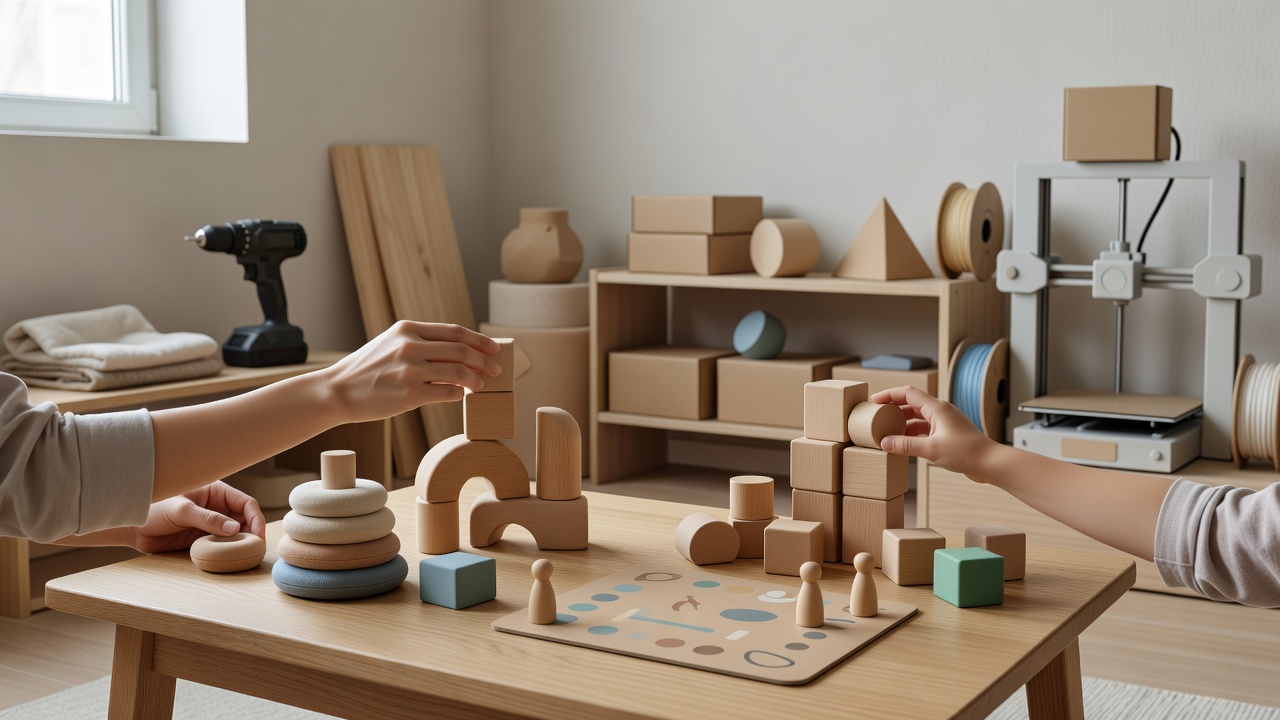
Toys for Teaching Turn Taking: A Simple System
Parents often see toddlers grab and tug over the same toy and wonder where to begin. A few steady toys for teaching turn taking can turn those moments into real practice. You do not need fancy sets or daily lessons.
Key takeaways
- Start with one or two toys that need two players
- Keep the play space small so turns feel natural
- Use a quick rotation so the same toys stay fresh
- Print simple labels to sort by stage
Why Turn Taking Shows Up Before Words
Babies as young as nine months notice when someone waits for them. You can build on that early awareness with toys that pass back and forth. The goal is calm practice, not perfect sharing yet.
Watch what happens when you sit on the floor with two soft blocks. Hand one over, then hold out your hand. Most little ones copy the motion within a few tries. That small loop is the start of turn taking. Research from the Centers for Disease Control and Prevention shows social milestones like joint attention emerge around this age, giving you a clear window to practice.
You might try this with your nine-month-old using two identical soft balls. Roll one gently toward them, then wait. When they roll it back, even by accident, smile and repeat. Over a week these short exchanges add up without any pressure.
Best Toy Types That Invite a Second Player
Choose pieces that feel incomplete without another set of hands. These picks keep the focus on the action instead of the object.
- Soft stacking rings you hand back and forth
- Two matching cars for a short track
- A simple ball with handles for rolling games
- Wooden shape sorters with extra pieces
- Fabric books you read one page at a time
Each of these supports imaginative play toys for toddlers that skip the extras without adding clutter. Skip anything with lights or sounds that pull attention away from the other person.
Add a short list of what to avoid during early sessions:
- Toys with only one moving part
- Large items that take up the whole floor
- Anything that requires adult setup every time
- Electronic gadgets that beep on their own
How to Set Up a Weekly Toy Rotation
A steady rotation keeps interest high and fights low. You only need three bins.
- Pull out the current bin each morning
- Swap the whole bin on Sunday night
- Store the other two out of sight
- Add one new turn-taking toy every third week
This method works the same way our custom toy rotation vs ready made sets guide shows for calmer daily play. If your child loses interest midweek, simply swap one toy from the stored bin instead of buying new.
Troubleshooting list for rotation hiccups:
- Child cries at swap time: Let them keep one favorite for the day
- Bin feels empty too fast: Add two quiet items like books
- Older sibling interferes: Create a separate older-kid bin
- You forget the schedule: Tape a simple calendar on the bin lid
Printable Labels That Make Sorting Fast
Labels turn guesswork into a two-minute job. Print one set and stick them on bins or shelves.
- 6–12 months: grasp and pass
- 12–18 months: roll and return
- 18–24 months: simple games
- 2–3 years: group play
Grab the full set from our developmental toy labels printable for quick sorting and sort once, then reuse. Pair the labels with the toy donation list printable you update monthly so toys that no longer fit the stage move out easily.
Quick Comparison of Turn-Taking Toys
| Toy Type | Age Range | Turn Length | Clutter Level |
|---|---|---|---|
| Rolling ball | 9–18 months | 10–20 seconds | Low |
| Shape sorter | 12–24 months | 30–60 seconds | Medium |
| Two-car track | 18–36 months | 1–2 minutes | Low |
| Fabric book | 6–24 months | Page by page | Very low |
Common Mistakes That Slow Progress
Many parents add too many choices at once. That makes waiting feel harder. Stick to two toys max during practice time.
Another mix-up is timing. Right after naps or meals works better than right before. You already know your child's best window.
Here is a short list of other frequent slips:
- Jumping in too soon instead of modeling first
- Using the same toy every single day
- Expecting long turns before age two
- Forgetting to praise the hand-off itself
Screen-Free Options That Build the Skill
Screen free toys for toddlers that spark early words pair well here. A simple drum you tap back and forth teaches rhythm and patience at the same time.
Keep one basket near the couch for quick five-minute sessions. No setup needed. The American Academy of Pediatrics notes that unstructured play like this supports both language and social growth in toddlers.
Tracking Small Wins Without Pressure
Progress shows up in tiny moments rather than big announcements. Keep a simple notebook or the back of a label sheet to note what worked.
- First time your child waits two seconds
- Rolling the ball back without prompting
- Passing a ring to a sibling
- Saying "my turn" even once
These notes help you see the pattern over two weeks. When you notice three wins in a row, add one extra minute to the session.
Setting Up Calm Group Play Areas
Once single turns feel steady, you can widen the circle. Choose a small rug or corner so two or three children fit without crowding.
Use these steps:
- Place only three turn-taking toys on the rug
- Sit nearby the first few times
- End while everyone still looks happy
- Reset the area in under five minutes
This setup works well after a post move toy reset when the whole room feels new.
Where to Find Parent-Tested Guides
Our PDF guides that cut first-year toy impulse buys give you the same checklists we use at home. Instant download means you can start tonight. Parents who used the twin toy setup guide report fewer duplicate purchases and smoother daily hand-offs.
Next Steps You Can Take Tonight
- Pick two toys from the list above
- Print the labels and sort one bin
- Set a five-minute timer for the first practice round
- Swap the bin on Sunday
- Note one small win in your notebook
Little Toys, Real Joy comes from these small, steady choices. You will see turns get smoother within two weeks.
FAQ
When should I start using toys for teaching turn taking?
Nine months is a good time for simple pass-and-return games. Start with soft items that do not hurt if dropped.
Do I need special toys or just regular ones?
Regular toys work fine. The key is choosing items that feel better when used with another person.
How long should each turn-taking session last?
Five to ten minutes keeps everyone happy. Stop while it still feels fun.
What if my toddler refuses to share at first?
That is normal. Keep modeling the motion yourself and praise any small hand-off.
Can these same toys help with group play later?
Yes. The early practice carries over when cousins or friends visit.
Little Baby Toys gives you the printable tools and calm systems busy parents actually use.