PDF Guide for 3 Year Olds: Routines for Independent Play
9/1/2026
PDF Guide for 3 Year Olds: Routines for Independent Play
Parents often watch their three-year-old bounce from toy to toy and wonder how to build real focus instead. A clear PDF guide for 3 year olds gives you the steps to set up short, steady play times without extra bins or stress.
You want routines that match what a three-year-old can actually do. The right guide shows you exactly how to start, what to skip, and how to keep the space calm. Many families notice longer stretches of quiet concentration once they follow a simple printed plan instead of guessing each morning.
Key takeaways
- Choose toys that match milestones, not trends
- Use short 20-minute blocks to build focus
- Rotate items weekly to keep interest high
- Keep the space simple so cleanup stays quick
What to Look for in a Solid PDF Guide for 3 Year Olds
Look for guides that break routines into clear daily blocks. You need lists you can print and use the same day without hunting through pages.
A good one includes stage-by-stage toy picks and a simple rotation method. It also gives you quick safety checks without long lists. Parents who use these tools report calmer mornings because everything sits ready the night before.
- Printable daily schedule
- One-page toy rotation chart
- Age-three milestone match list
- What to skip section
- 10-minute reset checklist
- Sample weekly rotation calendar
- Quick hazard spotter card
How to Set Up a Calm Play Corner
Pick one low-traffic spot in the room. Place two or three open bins at child height so your little one reaches everything without help.
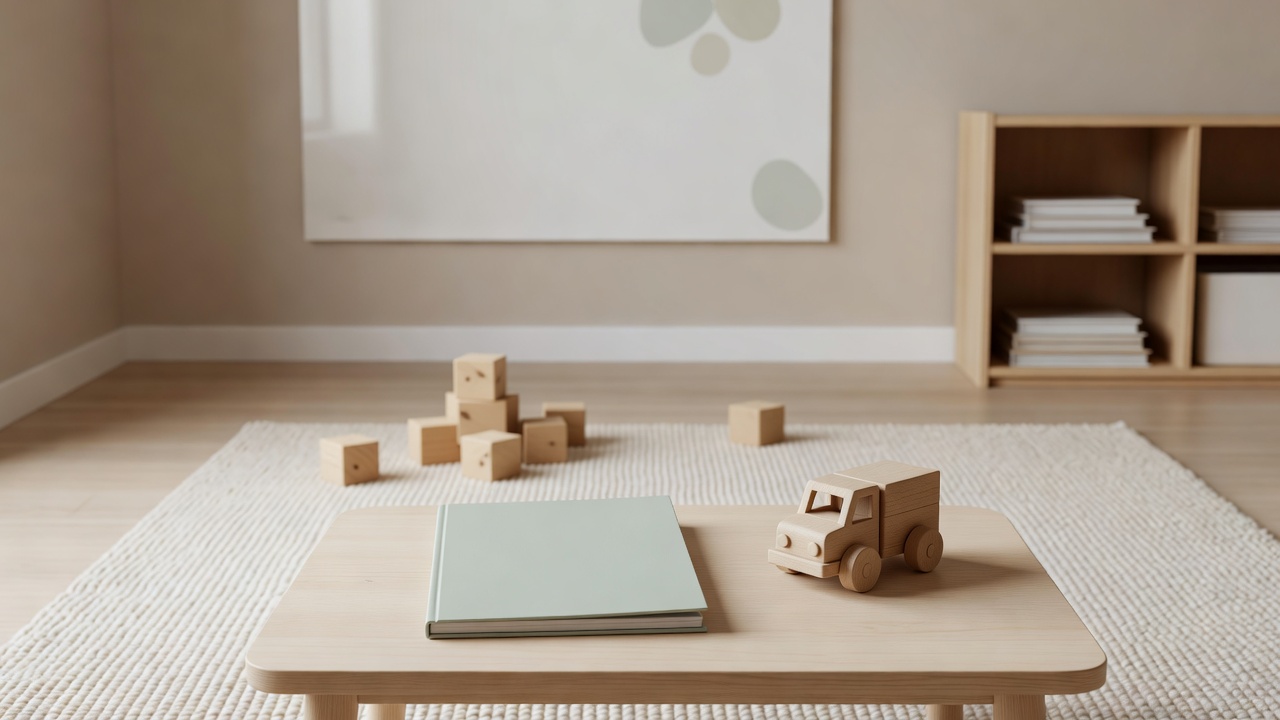
Add a small table or mat so your child knows where play happens. Keep the rest of the room clear so the corner feels inviting rather than crowded. Start with neutral colors on the mat to avoid overstimulation.
- Clear the floor first
- Add one quiet toy set
- Place a timer nearby
- Sit close for the first few days
- Step back once they settle
Building Daily Routines Around Play Time
A steady rhythm helps three-year-olds know what comes next. Try anchoring independent play right after breakfast when energy runs high but before any screen time creeps in.
Write the times on a simple card you tape near the play corner. Most children settle faster when the same window repeats every weekday. You can adjust by fifteen minutes if mornings feel rushed, but keep the length consistent.
- 8:00–8:20 block one with blocks
- 10:30–10:50 block two with pretend play
- 2:00–2:20 block three after lunch rest
- 4:00–4:20 optional wind-down slot
- End each block with a two-minute warning
- Note energy level on a small notepad
Three Year Old Play Ideas That Build Focus
Simple toys work best at this age. Open-ended items let kids create their own stories and stay engaged longer than toys with one fixed outcome.
Try blocks, play dough, or a few dress-up pieces. Avoid flashing lights or many small parts that scatter fast and break concentration. One parent shared that swapping a noisy truck for plain wooden blocks doubled her child’s play time within three days.
- Wooden blocks in two sizes
- Soft dough with one cutter
- Two scarves for pretend
- One puzzle with 12 pieces
- Small car and ramp
- Felt board with shapes
- Set of three nesting cups
- Small basket of large beads for stringing
Skip These Toys at Age Three for Focused Play
Some toys pull attention in too many directions. Bright screens or noisy items often shorten play time and leave the room feeling scattered.
Check the guide you choose for a short “what to skip” list. It helps you keep the space calmer without guessing which items cause fights or quick boredom. The goal stays focused independent play rather than constant supervision.
Compare options quickly:
| Toy Type | Focus Level | Clutter Risk | Best Age Use |
|---|---|---|---|
| Stacking blocks | High | Low | 3 years |
| Electronic tablet toy | Low | Medium | Skip at 3 |
| Dress-up scarves | High | Low | 3 years |
| 50-piece puzzle | Medium | High | Wait until 4 |
| Battery cars with sounds | Low | Medium | Skip at 3 |
Quiet Time Toys Setup for Calm Toddler Corners
A quiet corner gives your child a place to reset without screens. Start with soft textures and one or two familiar items that feel comforting rather than exciting.
Rotate the items every few days so the space stays fresh. This matches the quiet time toys setup for calm toddler corners many parents use to create low-stimulation zones.
Matching Toys to Three-Year-Old Milestones
Three-year-olds often master new skills like balancing on one foot or naming colors. Toys that support these moments keep play purposeful instead of random. Check the CDC developmental milestones for three year olds for a clear picture of what to expect.
Pair each skill with one or two simple toys so you avoid buying extras. Revisit the list every three months because interests shift quickly at this stage.
- Balance toys like stepping stones for gross motor
- Sorting bins for color and shape recognition
- Pretend kitchen tools for language growth
- Large crayons for early drawing practice
- Story stones for imagination and sequencing
Minimalist Toy Set vs Rotation: Which One Wins?
A small set of eight toys can work well if you rotate them often. Full rotation systems give more variety without adding bulk to small spaces.
See the trade-offs in minimalist toy set vs rotation: which one wins? to decide what fits your home and daily reset time.
PDF Guide vs Toy Subscription: Which Cuts Clutter
Subscriptions add new boxes each month that often end up in piles. A one-time PDF guide for 3 year olds gives you the system once and lets you reuse it for years.
Many families choose the guide route for calmer play spaces. Compare both in PDF guide vs toy subscription: which cuts clutter.
How to Clean Baby Toys in Five Minutes Daily
Wipe the main play items after each session. Keep a small cloth and safe spray nearby so the job never feels like a project.
Follow the quick steps in how to clean baby toys in five minutes daily so germs stay low without extra work. The CPSC toy safety guidelines recommend mild soap and water for most plastic and wooden pieces.
Toy Safety Checks You Can Do in Seconds
Run a quick scan before each new rotation. Feel for sharp edges and test that small parts stay attached. A fast check prevents most issues before they reach your child.
- Squeeze soft toys to check for hidden tears
- Tug on any attached strings or ribbons
- Look for peeling paint on wooden items
- Shake battery toys to confirm covers stay tight
- Wipe surfaces with a damp cloth after use
Next Steps You Can Start Tonight
- Print the daily schedule from your PDF guide
- Choose three toys for tomorrow’s corner
- Set a 20-minute timer at the same time each day
- Note what held attention and what did not
- Swap one item on day three
- Review the CDC milestones page once a month
Start with the smallest change first. You will see longer focus within a week when the routine stays predictable.
FAQ
How long should independent play last at age three?
Most three-year-olds handle 15 to 25 minutes well. Start short and add time as they grow used to the routine without pressure.
Which toys support real milestones at this age?
Blocks, simple puzzles, and pretend items help with fine motor skills and imagination. Match them to the lists in your PDF guide for 3 year olds.
Can I use the same guide for siblings?
Yes, if it covers stages without overlap. See the PDF guide for siblings 0-3: one guide without overlap for a version built for mixed ages.
How often should I rotate toys?
Once a week works for most families. Keep the rotation chart from your guide on the fridge so it stays easy to follow.
Where can I find the PDF guide for 3 year olds?
Visit Little Baby Toys for the instant download written by parents and checked with pediatric input.