Quiet Language Toys Toddlers Reach For Daily
10/24/2026
Quiet Language Toys Toddlers Reach For Daily
You probably notice your toddler talking more during quiet moments than during loud play sessions. Quiet language toys fit right into those pockets of the day and keep the focus on words instead of noise.
Parents often ask how to pick tools that actually support speech without adding screens or mess. The answer starts with simple, everyday items that match the stage your child is in right now.
Key takeaways
- Quiet language toys support real speech in short daily sessions
- Focus on age-right picks and skip anything with lights or sounds
- Use a simple rotation so the same few toys stay fresh
- Printable checklists help you decide what to keep and what to set aside
What Quiet Language Toys Actually Look Like
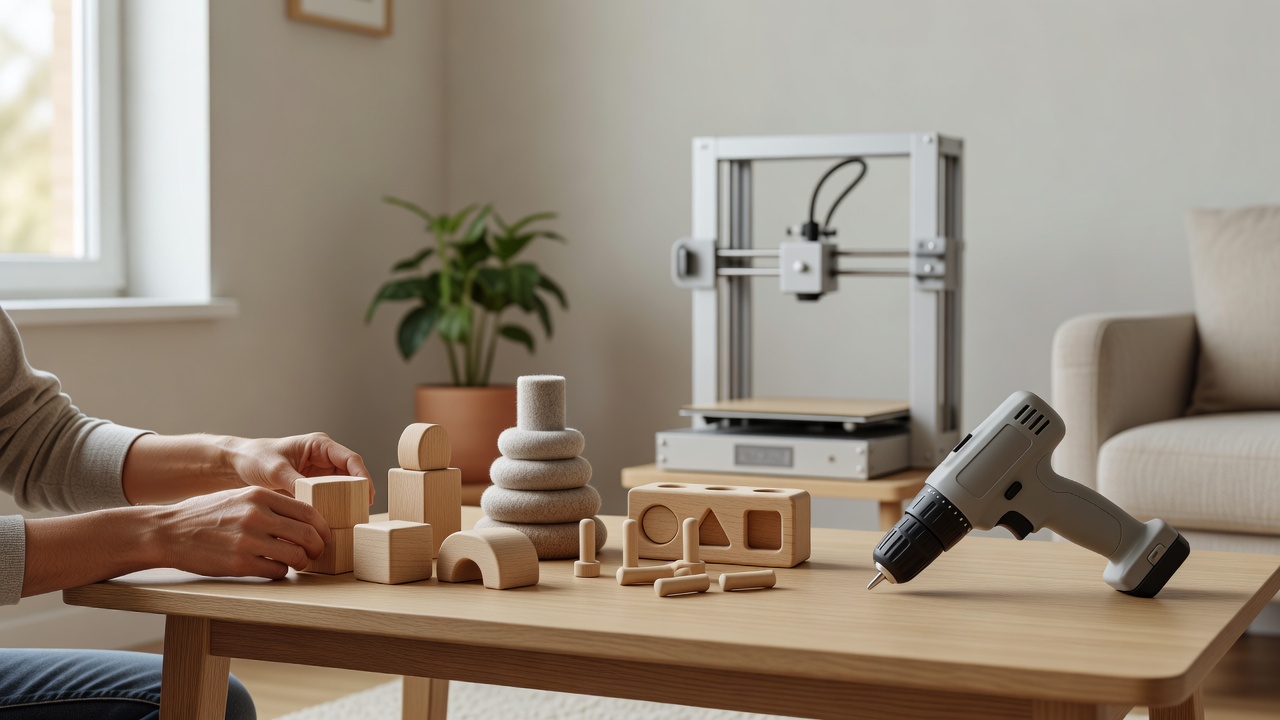
These toys invite back-and-forth talk without flashing parts or recorded voices. Think wooden puzzles with animal names, soft books with big pictures, or stacking cups you can count together.
You want items that sit on a low shelf and get used often. Toys for toddler speech that skip screens daily shows clear examples that work in short bursts.
- Wooden shape sorter with picture cards
- Board books that open flat on the floor
- Soft blocks labeled with colors and numbers
- Simple puppets for quick stories
- Felt boards with removable shapes
- Nesting cups you name while stacking
Quick Checks Before You Bring a Toy Home
Read the label for age range and material type first. Skip anything that makes noise on its own.
Check for small parts that could become choking hazards during mouthing stages. A fast scan takes less than five minutes once you know what to look for. The Consumer Product Safety Commission offers clear guidance on reviewing age-appropriate toy guidelines so you can spot risks quickly.
- Age printed clearly on the box
- No batteries or sound buttons
- Smooth edges and sturdy construction
- Non-toxic paint or finish listed
- Easy to wipe clean after use
Daily Routines That Build Words
Fit language play into existing moments like snack time or bath time. Five minutes of naming objects beats a long forced session.
Try naming items while you set the table or point out colors during a walk. The goal is relaxed repetition, not drills. Many families notice that tying words to real actions helps toddlers repeat new sounds faster than structured lessons.
- Morning: name three items while getting dressed
- Snack: count crackers out loud together
- Afternoon: read one short book and ask simple questions
- Evening: sing a familiar song with actions
Why These Toys Support Real Milestones
Quiet language toys line up with how toddlers actually learn new words through repetition and connection. When a toy stays simple, your child has room to add their own sounds and ideas instead of reacting to lights or buttons.
You see progress when the same toy gets used in new ways over a week. For example, stacking cups might start as just stacking and later become a game of hiding small toys inside while naming them. This kind of open play matches the steady pace most children follow between twelve and thirty-six months.
- Watch for your toddler pointing and waiting for you to name the item
- Notice longer eye contact during back-and-forth naming games
- Celebrate when they repeat a word from the toy the next day
- Adjust the toy if they lose interest after two minutes
How These Toys Compare
| Toy Type | Talk Benefit | Screen-Free | Easy to Rotate | Typical Session |
|---|---|---|---|---|
| Wooden puzzles | Names shapes and colors | Yes | High | 5-10 minutes |
| Board books | Points to pictures and repeats words | Yes | High | 3-7 minutes |
| Soft blocks | Counts and stacks while naming | Yes | Medium | 4-8 minutes |
| Felt boards | Tells short stories together | Yes | High | 6-12 minutes |
A Simple Toy Rotation for Talking Time
Keep only six to eight language toys out at once. Swap one or two every week so they stay interesting.
This method prevents the overwhelm of too many choices and keeps play focused. Shared playroom toy audit: one evening calm reset gives a printable checklist that makes the swap quick.
- Monday: swap the puzzle for a new book
- Wednesday: add the felt board for story time
- Friday: rotate blocks back in
- Sunday: do a quick tidy and note what your child reached for most
Age-Right Picks That Match Milestones
Babies under 12 months respond to soft books and textured items you can name together. Toddlers 12-24 months enjoy puzzles and blocks for counting games.
Children 2-3 years often like puppets and felt boards for simple stories. Match the toy to the skill they are practicing now rather than the next stage. The CDC shares detailed developmental milestones that help you see which skills line up with each age band so your choices feel less like guesswork.
- Under 12 months: crinkle books and soft rings
- 12-18 months: stacking cups and picture cards
- 18-24 months: simple puzzles and labeled blocks
- 2-3 years: puppets and felt scenes
Screen-Free Language Tools That Fit Real Days
Choose items that travel easily from room to room. A basket near the couch or a low shelf in the kitchen keeps them handy.
Toys for teaching turn taking: a simple system shows how quiet toys also build sharing during back-and-forth talk.
- Keep a small basket in the car for errands
- Place one book in the diaper bag
- Store puppets near the dinner table
- Rotate one item into the bath caddy
Tracking Small Wins in Everyday Talk
You do not need a notebook full of data. Just notice which words show up again the next day or which toy your child carries to you for another round. These small signs tell you the rotation is working without turning play into a test.
Some parents jot two quick notes on a sticky pad each evening. Others simply remember the one new sound that appeared at breakfast. Either way, the focus stays on calm connection rather than pressure.
- One new word repeated during snack time
- Longer attention to the same book two days in a row
- Child starting to name an item before you do
- Interest in turning pages or moving pieces without help
Common Mistakes to Skip
Avoid toys that light up or speak for the child. These often replace the real talking you want to encourage.
Do not buy every new language toy that appears online. A small, well-chosen set works better than a large collection.
- Toys with recorded phrases
- Overly complex electronic boards
- Sets with dozens of tiny pieces
- Items that require constant adult direction
Conclusion
Start with the toys already on your shelf and run a quick audit tonight. Swap in two quiet language toys that match your child's current stage and watch how the short daily moments add up.
Next steps
- Print the safe materials checklist from our site
- Choose three toys for this week's rotation
- Set a five-minute timer for one daily talk session
- Track what words appear most often
- Visit Little Baby Toys for the full PDF guide bundle
FAQ
How long should each quiet language session last?
Keep most sessions between three and ten minutes so your toddler stays interested and you both finish feeling calm.
Do quiet language toys replace talking with a parent?
No. The toys work best when you join in and name items or ask simple questions during play.
Can I use the same toys every day?
A small rotation keeps interest high. Swap one or two items each week instead of changing everything at once.
What if my toddler ignores the new toy?
Give it a few short tries during regular routines. If it still sits unused after a week, swap it for something else from your rotation basket.
Where can I find printable checklists for these toys?
Our PDF guides include ready-to-use checklists and labels that fit on a single page for quick reference each evening.