Toys for Toddler Personality: Match Without Overwhelm
9/5/2026
Toys for Toddler Personality: Match Without Overwhelm
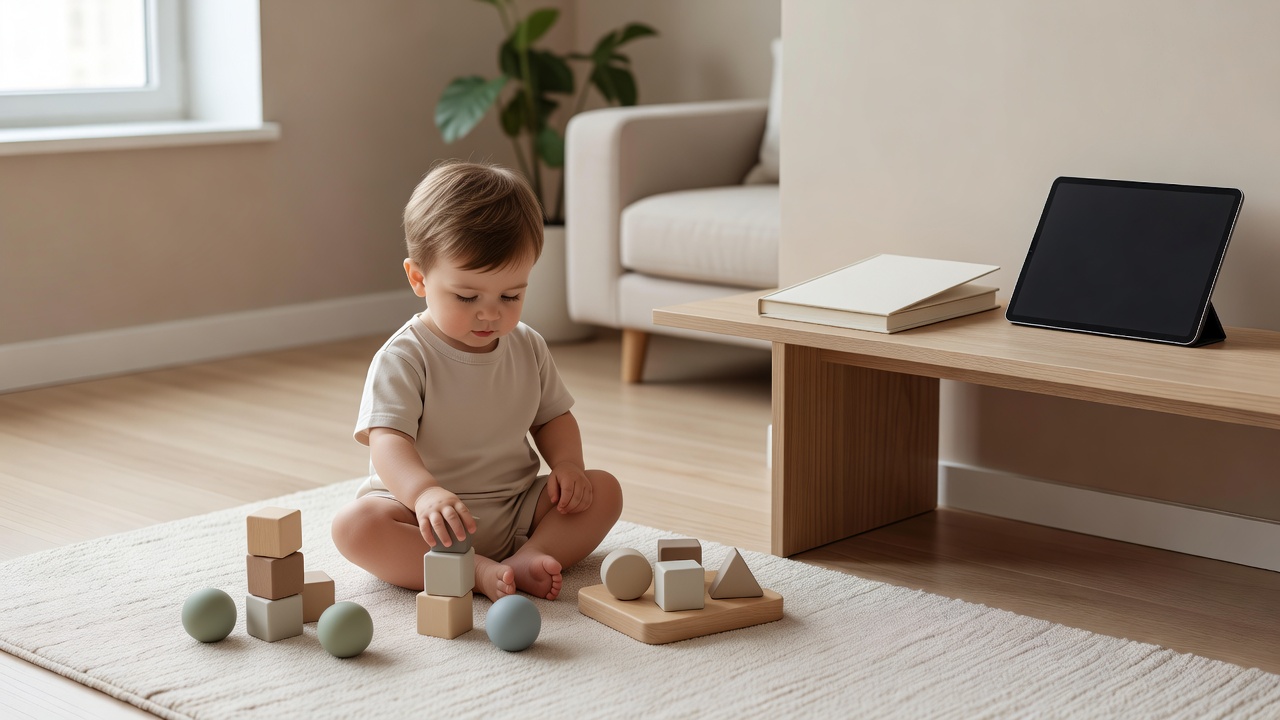
You watch your toddler zoom around the room one minute and sit quietly sorting blocks the next. Matching toys to that mix of energy and mood keeps play joyful instead of chaotic.
Key takeaways
- Watch real play habits before you buy
- Group toys by temperament traits
- Rotate weekly to avoid clutter
- Focus on milestone plus temperament
- Skip extra options that add mess
Watch Daily Play Habits for Two Weeks
Start by noticing what your child reaches for most. Does she line up cars or dump them out? Does he climb everything or prefer floor puzzles? These small observations reveal the real personality behind the energy.
Keep a simple notebook by the play area. Jot three quick notes each evening. After fourteen days patterns appear that guide every future choice.
- Energy level: high, medium, or low
- Focus time: under five minutes or longer
- Social style: alone, parallel, or wants you
- Sensory needs: soft textures or bright colors
- Mood shifts: quick or steady
- Preferred position: floor, standing, or climbing
- Reaction to new items: excited or cautious
These notes become your guide for toys for toddler personality that actually fit. Many parents repeat this check every three months because toddlers shift quickly.
Match Energy Levels to Toy Types
High-energy toddlers need movement first. Low-energy ones thrive with calm play matches that invite sitting. The goal is never to change the child but to give the right outlet.
Try this quick sorting method.
- Pull out current toys.
- Sort into three piles: zoom, build, rest.
- Keep two from each pile in the main space.
- Store the rest for rotation.
- Revisit the piles after any growth spurt.
A simple system like this prevents the overwhelm that comes from too many choices at once. Parents report the play area feels half the size once only the right toys stay visible.
Calm Play Matches for Sensitive Kids
Some toddlers cover their ears at loud toys. Others need soft light and fewer colors. Calm play matches reduce meltdowns and support longer independent stretches. The Consumer Product Safety Commission toy guidelines remind us to check for small parts and loud sounds before any purchase.
Look for these traits on labels:
- Wooden or fabric instead of plastic noise makers
- Pastel tones over flashing lights
- Open-ended pieces that invite stacking or sorting
- Rounded edges and no small parts
- Soft volume controls when sound is present
Quiet time toys setup for calm toddler corners shows exactly how to create one low-stimulation corner in any room.
Milestone Plus Temperament Picks
Age matters, but so does your child's unique wiring. A two-year-old who loves to throw needs soft balls, not delicate blocks. The CDC positive parenting tips for toddlers outline how play supports both motor skills and emotional growth when the toy fits the child.
Use this comparison to decide.
| Personality Trait | Milestone Focus | Toy Example | Skip This |
|---|---|---|---|
| High mover | Gross motor | Push cart or tunnel | Tiny cars that scatter |
| Observer | Fine motor | Stacking rings or puzzles | Noisy electronic gadgets |
| Cuddler | Emotional | Soft dolls or blankets | Bright plastic figures |
| Builder | Problem solving | Wooden blocks | Sets with 50 tiny pieces |
These pairings keep play purposeful and reduce daily cleanup time. Re-check the chart every season because milestones keep moving forward.
Skip Extra Options That Add Clutter
Stores push bundles. You only need a few well-chosen items that match your child's current stage. The American Academy of Pediatrics advice on toddler play stresses that fewer, higher-quality toys support better focus than crowded shelves.
Ask yourself before any purchase:
- Does this fit one of the three piles above?
- Will it still work in three months?
- Can it store in one bin or on a low shelf?
- Does it match one observed personality trait?
- Have we already tried something similar?
Minimalist toy set vs rotation: which one wins? walks through the trade-offs with real parent examples.
Set Up a Weekly Toy Rotation
Rotation keeps interest high without buying more. It also creates cleaner play spaces. Follow these steps every Sunday evening so the system stays light.
- Remove any toy that caused frustration that week.
- Swap in two stored items from the calm play matches group.
- Wipe surfaces in five minutes.
- Check for broken pieces and recycle them.
- Note which toy stayed popular longest.
Seasonal toy rotation that matches weather and mood adds another layer that lines up toys with outdoor time or indoor quiet days.
Handle Daily Mood Shifts Without New Purchases
Toddlers wake up different some mornings. A normally active child may want quiet time after a late night. This new section shows how to adapt the existing rotation instead of shopping.
Keep a small "mood bin" with three flexible items: one soft, one building, one movement. Pull from it only when the usual toys feel wrong. Return the bin at the end of the day so nothing extra stays out.
This approach uses what you already own. It also teaches you to read the child rather than the toy aisle. Over time the mood bin shrinks because your main rotation already covers most days.
Use Printable Checklists for Quick Decisions
A one-page guide saves evening research time. Print it once and tape it inside a cabinet door. Update it when your notebook shows new patterns.
Your checklist should include:
- Current age range and top three traits
- Three toys to keep visible
- Three toys to store
- One item to suggest to grandparents
- Safety notes from the label
- Weekly rotation day reminder
Toys to suggest to grandparents that match milestones gives ready-to-use lists you can hand over at family visits.
Test One Change This Week
Pick one personality trait you noticed and adjust only that corner of the play area. Notice how play feels after three days. Adjust again if needed. Little Toys, Real Joy comes from small, steady matches rather than big overhauls.
Next Steps
- Print the checklist tonight
- Observe play for the next two evenings
- Rotate three toys on Sunday
- Share one calm play match idea with your partner
These four actions keep you moving forward without overwhelm. Start with the observation notebook and let the rest follow naturally.
FAQ
How long does it take to see calmer play after matching toys?
Most parents notice fewer meltdowns within one week when they limit visible options to six to eight pieces.
Can the same toys work for two toddlers with different personalities?
Yes. Keep a shared rotation bin and two small personal bins so each child has one or two items that match their own style.
What if my toddler's personality seems to change every month?
That's normal. Revisit your notebook every four weeks and swap one or two items. The rotation system handles the shifts.
Do I need to buy new toys to match personality?
Usually not. Most homes already hold a mix. The work is in choosing which ones stay visible and which ones rest in storage.
Where can I find parent-tested checklists for this?
Our instant download guides at Little Baby Toys include printable labels and stage-by-stage lists reviewed with pediatric input.