Seasonal Toy Rotation That Matches Weather and Mood
9/2/2026
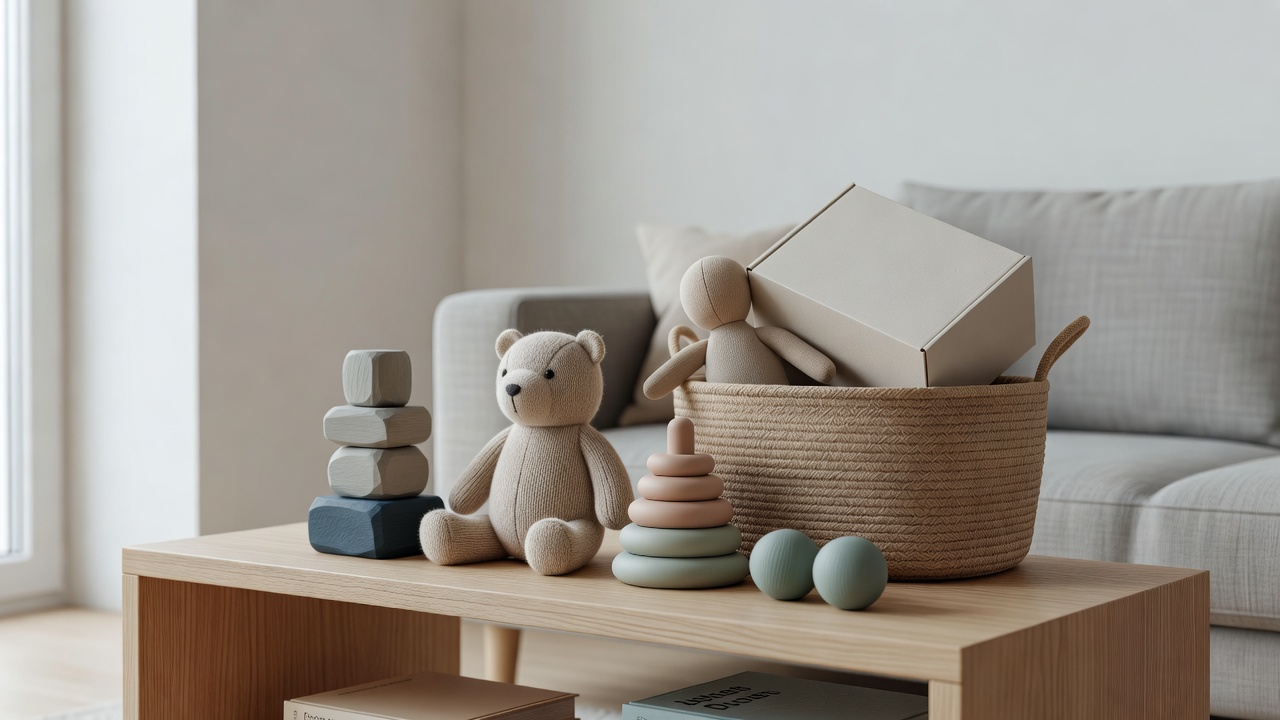
Seasonal Toy Rotation That Matches Weather and Mood
Parents often face the same scene every few months: toys that no longer fit the season pile up while the ones kids actually reach for sit forgotten. A seasonal toy rotation solves this by swapping items in and out so play stays light, safe, and matched to both the weather and daily mood.
You can finish the first full cycle in one evening and keep it going with short resets. The result is fewer toys out at once, safer choices, and real joy instead of clutter. Many parents notice their children focus longer once the visible options match the current season and energy level.
Key takeaways
- Match toy types to seasons for better engagement
- Rotate every 6–8 weeks to match mood shifts
- Use simple zones instead of big bins
- Check labels each swap for safety
- Keep a short printable list to stay consistent
Why a Seasonal Toy Rotation Beats Year-Round Toy Plans
A year round toy plan sounds simple until weather changes and kids lose interest. Seasonal toy rotation lets you pull out rain-friendly items in spring and outdoor push toys in summer without buying more. You avoid the trap of leaving everything out all year, which often leads to scattered pieces and less focused play.
You watch what your child actually plays with for two weeks, then store the rest. This cuts mess fast and keeps every toy feeling new again. Over time you build a rhythm that matches family life instead of fighting it.
- Spring: soft blocks and stacking rings for indoor days
- Summer: sand tools and water-safe items for backyard time
- Fall: quiet books and sorting sets for cooler evenings
- Winter: cozy floor puzzles and soft animals for long indoor stretches
When you tie swaps to the calendar, you also reduce decision fatigue on busy mornings.
How Weather Shapes Your Toy Choices
Weather friendly toys reduce frustration when plans change. Rainy days call for items that stay dry and contained. Sunny stretches need gear that travels outside easily. Think about your local forecast for the next month and group toys accordingly.
Start by grouping what you already own into four weather boxes. Label each with a simple tag so swaps take minutes. Over one year most families find they rotate the same core items with only small additions.
- Dry-day picks: wooden puzzles, stacking cups, board books
- Wet-day picks: bath toys, play dough tools, finger puppets
- Hot-day picks: shade-safe balls, ride-ons for patios
- Cold-day picks: textured blankets, shape sorters, nesting dolls
Edge cases like sudden cold snaps become easier once your system already has flexible items ready.
Quick Mood Check Before Each Swap
Kids' moods shift with sleep, teething, or new skills. Before you rotate, spend five minutes watching what holds attention that week. A child who suddenly ignores blocks may be ready for something with more texture or movement.
If your toddler ignores everything on the shelf, the current set may be too advanced or too familiar. Swap in one calmer option and remove two louder ones. This small tweak often restores calm within a day.
- Calm mood signs: longer focus on one toy
- Restless mood signs: tossing items after two minutes
- Curious mood signs: trying to combine toys in new ways
Repeat the check mid-season if behavior changes quickly.
Step-by-Step Seasonal Toy Rotation Method
Follow this parent-tested sequence to build the habit without overwhelm. The whole process gets faster after the first two cycles.
- Gather every toy into one room on a weekend morning.
- Sort into four weather piles using the list above.
- Keep only eight to ten items visible per season.
- Store the rest in clear bins labeled by month.
- Add one new rotation item every six weeks.
- Wipe each toy with a safe cleaner before it returns.
- Note what worked on a simple card for next year.
Many parents add an eighth step of taking a quick photo of the current setup for reference later.
Tracking Your Rotation Success Over Seasons
A simple tracking habit turns seasonal toy rotation from a chore into a calm system you refine each year. Keep a small notebook or phone note with three quick questions after every swap.
- Which three toys stayed in use daily?
- Which two items got ignored and why?
- Did any safety issues appear during play?
After four seasons you will see clear patterns, such as certain soft toys working better in winter or outdoor items needing earlier swaps in your climate. Share notes with a partner so both adults stay on the same page without long meetings.
Comparison: Seasonal Rotation vs Minimalist Toy Set
| Approach | Items visible at once | Time to reset | Best for | Mood match ease |
|---|---|---|---|---|
| Seasonal rotation | 8–10 | 10 minutes | Weather changes | High |
| Minimalist toy set | 4–6 | 5 minutes | Small apartments | Medium |
| Full year round plan | 20+ | 30 minutes | Families who rarely swap | Low |
See how minimalist toy set vs rotation stacks up for your space.
Printable Checklist for Your First Swap
Print this list and tape it inside a cabinet door.
- Pull out current season toys
- Wipe surfaces with mild soap
- Check for loose parts or damage
- Match each item to weather list
- Store off-season items out of sight
- Place two quiet options in the calm corner
- Note three favorites on the card
- Schedule next swap date
Add your own line for any special needs, such as teething items that must stay accessible year round.
Keep Play Calm With These Extra Habits
Pair your rotation with small daily resets so the system lasts. A toy swap with other parents can refresh ideas without new purchases.
- Set a 10-minute timer each Sunday for quick tidy
- Move one toy to a new spot to spark interest
- Rotate books with the same weather groups
- Store outdoor items near the door
For small homes, the apartment play guide shows how to skip bulky bins entirely. These habits compound, so after three months the play space feels lighter without extra effort.
Safety Notes During Every Rotation
Read labels each time a toy comes out of storage. Look for age marks and material notes so choices stay safer. Small parts that were fine six months ago may now pose issues as skills change.
For official guidance on toy standards, check the CPSC toy safety page. The AAP toy safety tips also list common hazards to spot quickly. One more reliable reference is the ASTM toy safety standards overview for material and design expectations.
Next Steps You Can Take Tonight
- Choose one season and pull its toys right now
- Make the four weather piles using items already in the house
- Print the checklist and fill in your first swap date
- Grab the PDF guide for 3 year olds if you want routines that match the rotation
- Start the weekly 10-minute reset habit this Sunday
- Review your tracking notes after the first month to spot quick wins
FAQ
How often should I run a seasonal toy rotation?
Most families swap every six to eight weeks. Watch your child's interest level and adjust by a week or two.
What if the weather changes fast in my area?
Keep a small mixed-weather bin with two or three flexible items like soft blocks that work in any season.
Can I combine seasonal toy rotation with quiet time setups?
Yes. Pull one calm toy from the current season into the quiet corner each morning. See the quiet time toys setup for exact steps.
Do I need new toys for each season?
No. Most homes already own enough items. The system simply changes which ones stay visible.
Where do I store off-season toys safely?
Use clear bins on a high shelf or under a bed. Label each bin with the season and month so you never hunt.