Best PDF Guide for 15 Month Play: Daily Calm Routines
8/29/2026
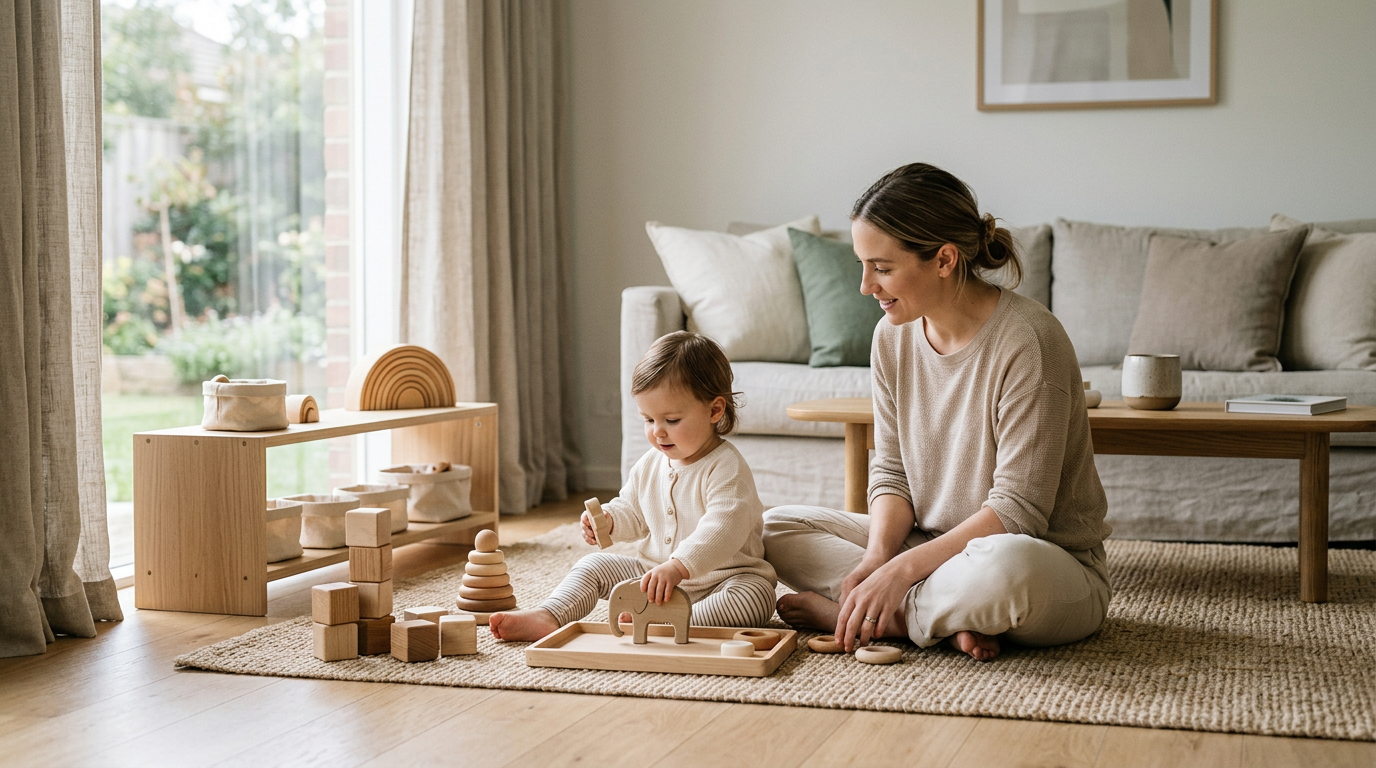
Best PDF Guide for 15 Month Play: Daily Calm Routines
Parents with a 15-month-old often notice their little one wants to move, stack, and explore everything at once. The best pdf guide 15 month play gives you clear steps to match those bursts of energy without adding more toys or daily mess.
We built our guides around what actually works in busy homes. You get age-right picks, printable checklists, and a calm system that fits an evening read.
Key takeaways
- Focus on 15-month milestones like walking and simple pretend play
- Use a toy rotation method to keep spaces tidy
- Choose safer toy choices by checking labels once
- Reset the play area in under 10 minutes each week
What 15-Month Milestones Need From Toys
At this stage your toddler practices balance, cause-and-effect, and early words. Toys that support these skills stay useful longer than ones that flash and sing. The Centers for Disease Control and Prevention notes that most 15-month-olds pull to stand, walk holding on, and point to show interest. Match toys to those exact actions rather than broad age ranges.
Look for items your child can push, stack, or sort with little help. Skip anything that requires constant adult setup. Real homes show that three or four well-chosen items beat a full bin every time.
- Push toys for steady walking practice
- Soft blocks for stacking and knocking down
- Simple shape sorters with 3-4 pieces
- Board books with thick pages
- Nesting cups for filling and dumping
- Hammer bench with large pegs
- Pull-back cars that move on their own
- Soft balls for rolling back and forth
How to Pick the Right PDF Guide for Your Family
Not every download matches your current stage. The best pdf guide 15 month play includes stage breakdowns so you skip the parts you do not need.
Compare guides by checking if they cover daily routines, not just toy lists. Which PDF Play Guide Fits Your Family Right Now walks through the questions we ask parents before recommending one.
Simple Toy Rotation Method That Cuts Daily Mess
A toy rotation method keeps only a few options out at a time. You store the rest and swap them every few days. Parents report that children play longer when fewer choices sit at eye level.
This approach works better than daily cleanup because children actually play with what they see. Start with three zones: floor, low shelf, and basket.
- Gather all current toys into one spot
- Choose 8-10 items that match walking and stacking skills
- Label bins with printable tags
- Rotate one bin every three days
- Keep the rest in a closet out of sight
- Note which toys get ignored for two rotations
Learn a simple toy rotation method for toddlers that cuts daily mess.
Safer Toy Choices by Reading Labels Fast
Check for ASTM and CPSC marks on every toy you bring home. These labels tell you the item passed basic strength and small-parts tests. The Consumer Product Safety Commission publishes clear guidance on what each mark means so you can scan quickly at the store.
Run your hand over edges and seams before first play. Soft toys should have firmly attached eyes or none at all. One quick pass catches most hazards before they reach the floor.
- Age label says 12 months or higher
- No loose strings longer than 6 inches
- Battery compartment screws tight
- Fabric feels smooth, not rough
- No small parts that fit through a toilet-paper roll
- Painted surfaces show no chipping
See how safety labels work in five minutes with our quick reference at Baby Toy Safety Labels Explained in Five Minutes. You can also review the full federal toy safety rules directly from the Consumer Product Safety Commission toy guidelines.
15-Month Daily Play Schedule That Fits Real Life
You do not need long structured sessions. Short bursts of 15-20 minutes match attention spans at this age. Most toddlers cycle through three or four short plays before needing a change.
Morning: floor time with push toys Midday: stacking while you prep lunch Afternoon: quiet book time before nap Evening: one basket rotation before bath
Track what holds attention for two full minutes. That tells you which toys earn a permanent spot in the current rotation.
Handling Your Toddler's Short Attention Span
Fifteen-month-olds often drop one toy after three minutes and move to the next. This is normal development, not boredom. Plan for quick switches by keeping a second basket ready on a low shelf.
Place the next activity within arm reach so you avoid leaving the room. When your child loses interest, simply swap the top item instead of offering the whole basket.
- Watch for the two-minute mark as a cue
- Keep two backup items in the same zone
- Rotate only after the child has tried both
- End the session before frustration builds
- Use the same spot each day so the child knows the routine
Comparison of Common Play Setups
| Setup Type | Toys Out Daily | Weekly Reset Time | Mess Level | Fits 15 Months? |
|---|---|---|---|---|
| Full bins | 25+ | 45 minutes | High | No |
| Rotation zones | 8-10 | 10 minutes | Low | Yes |
| Open shelves only | 15-20 | 20 minutes | Medium | Sometimes |
| One activity mat | 5-6 | 5 minutes | Very low | Yes, with swaps |
Printable Checklists That Keep You on Track
Print one checklist for each zone. Check off items as you set them out. These lists come from real parent feedback, not theory.
- Walking path clear of obstacles
- Soft blocks stacked at child height
- Two books rotated weekly
- One cause-and-effect toy (ball drop or hammer bench)
- Shape sorter with large pieces
- Nesting cups or spoons
- Push toy with stable base
- One quiet toy for nap transition
- Mirror at floor level for self-recognition
- Scarves or fabric squares for peekaboo
How Our Guides Grow With Your Child
The same toys often work from 12 months into 2 years when you adjust the play. Toys That Grow With Child: Picks That Last Through Age 3 shows which items stay useful without new purchases.
Toys for 12 Month Milestones: Age Appropriate Picks gives the exact list we used to build the 15-month section. You can also check the American Academy of Pediatrics guidance on healthy toddler play for extra reassurance on developmental fit.
Weekly Playroom Reset in 10 Minutes
Use this reset every Sunday evening. The whole process stays under ten minutes once you have the system running.
- Sweep floor toys into a basket
- Wipe shelves with a damp cloth
- Swap one rotation bin
- Return books to the low basket
- Note any toys that need repair or donation
- Quick scan for broken pieces before next week
Weekly Playroom Reset Checklist for 10-Minute Calm prints in one page.
Next Steps
- Download the best pdf guide 15 month play that matches your current setup
- Print the rotation labels and one checklist tonight
- Set up three zones before the weekend
- Track what your toddler reaches for most
- Swap one item every three days and notice the difference in calm
- Review the CDC milestone page once a month to adjust toys
FAQ
Does the guide include printable labels?
Yes. Every download comes with zone labels and a weekly reset sheet you can print at home.
How long does the rotation method take to set up?
Most parents finish the first rotation in 20 minutes, then spend 5-10 minutes on swaps each week.
Can I use the same guide when my child turns 18 months?
The guide covers up to 18 months with clear next-stage notes. Best PDF Guide for Toddlers: 18-Month Playroom Setup continues the plan without overlap.
What if my toddler ignores the rotated toys?
Try pairing a new item with one they already like. Most children explore the fresh option within a day or two.
Are the checklists parent-tested?
Every list comes from real homes in Houston and gets reviewed with pediatric input before we publish.