Best PDF Guide for Toddlers: 18-Month Playroom Setup
8/29/2026
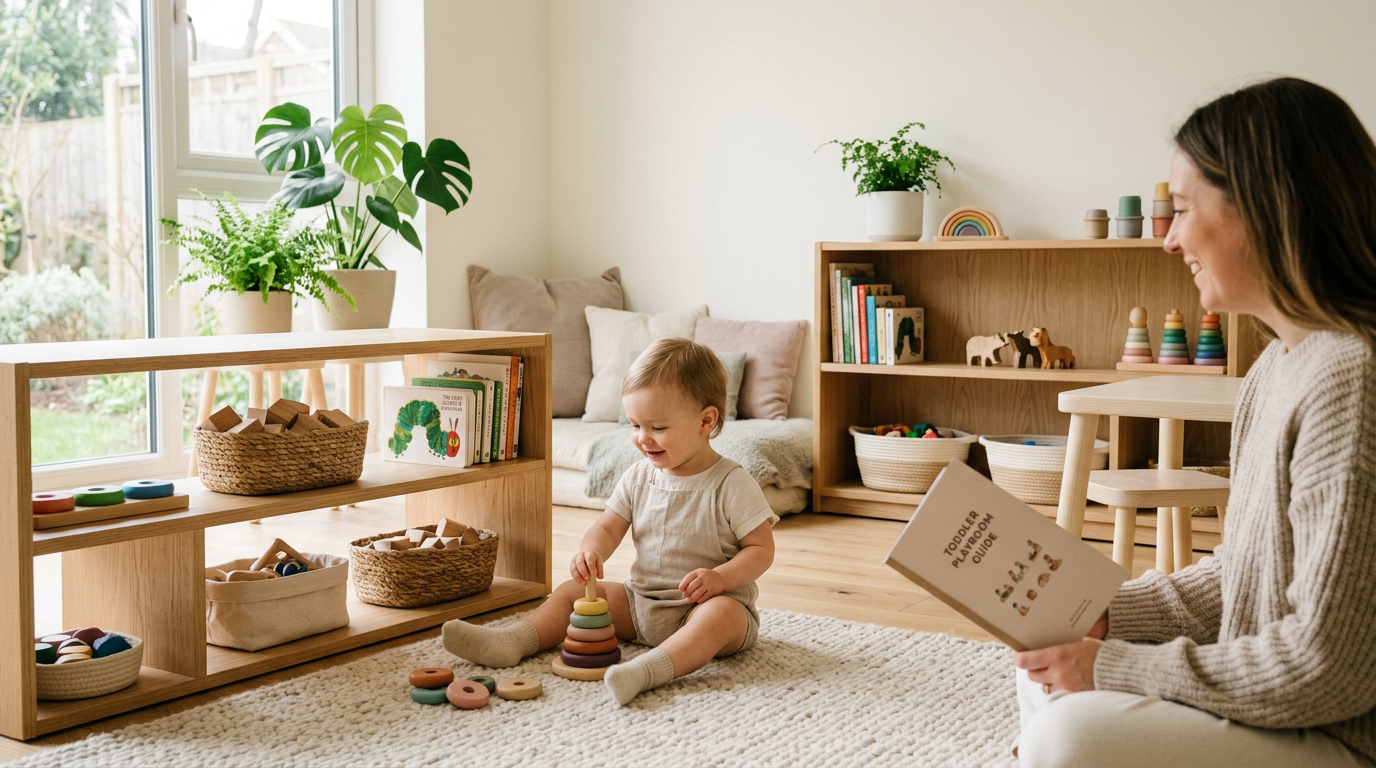
Best PDF Guide for Toddlers: 18-Month Playroom Setup
Your 18-month-old is walking, stacking, and testing every boundary. The best pdf guide for toddlers at this stage gives you clear steps for safer toy choices and a play space that stays calmer without constant cleanup.
Parents in your spot often wonder which guide actually fits real life. We break it down by what matters most right now: age appropriate picks that match milestones and simple systems that cut daily mess.
Key takeaways
- Focus on rotation and safety labels first
- Choose guides with printable checklists
- Skip anything that adds more toys than it removes
- Look for parent-tested advice you can use tonight
Why 18 Months Calls for a Targeted Guide
At this age your child pulls everything off shelves and tests what fits in their mouth. A general baby guide leaves gaps, while the right toddler one zeroes in on grip strength, balance, and the first big emotions.
You need tools that show exactly which toys support walking and which ones just create clutter. The best pdf guide for toddlers includes stage-specific checklists so you decide in minutes instead of hours. Many families notice that without a focused plan, toy piles grow fast and milestones get harder to track.
Consider how an 18-month-old explores: they drop items to watch them fall, bang objects together, and try to climb low shelves. Guides that ignore these behaviors leave you guessing. Our parent-tested sheets list daily scenarios with matching toy suggestions so you respond quickly.
Age Appropriate Picks That Actually Match Milestones
Eighteen-month-olds thrive with toys that build fine motor skills and language. Skip anything labeled 3+ and focus on these instead.
- Push carts for steady walking practice
- Nesting cups for hand-eye coordination
- Board books with thick pages for turning
- Simple shape sorters with large pieces
- Soft blocks for stacking and knocking down
These picks keep play purposeful. Our guides list exact examples with measurements so you shop without second-guessing. For instance, choose carts with wide bases under 12 inches tall to match first steps safely.
Parents report that matching toys to walking and stacking milestones reduces frustration during play. Trade-offs appear when a toy looks fun but requires skills your child has not reached yet. Stick to items that encourage repetition without constant help.
Wooden Toys That Build Grip Strength Safely
Wooden options often support motor development better than plastic at this stage because they offer varied textures and weights. How wooden toys for baby grip build strength safely explains the grip progression from rattles to simple stacking pieces.
Top wooden toy features for 18 months
- Smooth sanded surfaces without splinters
- Sizes that fit small hands comfortably
- Natural finishes free of added chemicals
- Shapes that encourage banging and rolling
- Sets with two to four pieces to start
You gain calmer sessions when the toy matches the child's current reach and grasp. Watch for edges that stay rounded after months of use. This section in the guide gives you a short decision tree so you pick one or two wooden items that last.
Safer Toy Choices Start with Quick Label Checks
You can spot hazards in under five minutes once you know what to scan. Baby toy safety labels explained in five minutes walks through the process with photos and plain language. Cross-check every new item against federal rules before it enters the play area.
Quick safety checklist
- ASTM F963 mark on the package
- No small parts that fit through a toilet paper tube
- Non-toxic finishes listed clearly
- Rounded edges and no strings longer than 12 inches
- Age recommendation matches your child exactly
Print the checklist from the guide and tape it near your toy bin. That single step prevents most common problems. The Consumer Product Safety Commission toy safety guidelines add official details on what each label means in practice.
Calmer Play Spaces Through Simple Rotation
Daily cleanup loses to a rotation system every time. Toy rotation vs daily cleanup: which calm system wins? compares both approaches with real parent schedules.
Rotation steps that fit an 18-month routine
- Divide toys into three groups
- Keep one group out for two weeks
- Store the rest out of sight
- Swap on the same day each time
- Add one new item only when something leaves
The best pdf guide for toddlers includes printable rotation labels and a zone map so your living room stays usable after five minutes of setup. Some children push back at first when favorites disappear, yet most adapt within three swaps. Track which groups spark the longest independent play and adjust the next cycle accordingly.
Printable Tools That Save Evening Time
You finish most of our guides in one sitting because every page gives an action. Expect these ready-to-print items:
- Weekly reset checklist
- Toy zone labels
- Milestone tracker for 18-24 months
- Shopping list with exact measurements
- "What to skip" page with photos
Toy rotation method for toddlers that cuts daily mess shows how families use these same sheets to drop evening cleanup from 20 minutes to under 10. Use the milestone tracker to note new skills like independent stacking so you know when to rotate in slightly harder items.
How Our Guides Compare
Here is a quick look at three options so you pick the right fit tonight.
| Guide Focus | Best For | Includes Rotation | Safety Labels | Printables | Length |
|---|---|---|---|---|---|
| 12-24 Month Playroom | First-time toddler parents | Yes | Yes | 8 pages | 25 min |
| Toy Rotation Only | Already have safety basics | Full system | No | 6 pages | 20 min |
| Safety & Grip Development | Wooden toy questions | Basic | Detailed | 5 pages | 18 min |
The first option covers both rotation and labels, which matches most 18-month homes. Review the length column if you prefer to finish everything before bedtime.
Made in Houston and Parent-Tested
Every guide comes from our small family studio here in Houston. We test each checklist with local parents before release so the steps actually work on busy weekdays. You receive updates when safety standards shift, keeping the content current without extra cost.
You get instant download access right after purchase. No waiting, no extra apps, just a PDF you can open on your phone while the baby naps. Families across climates report the same results because the systems focus on routines rather than specific room sizes.
Next Steps Once You Choose Your Guide
- Download the PDF that matches your top need
- Print the checklists tonight
- Set up one rotation zone this weekend
- Swap toys on the same day each week
- Revisit the safety page before any new purchase
These five actions turn a messy playroom into a calmer space in under a week. Track progress after the first full rotation and tweak one zone if needed.
FAQ
Which guide should I start with at 18 months?
Start with the 12-24 Month Playroom guide. It covers both safety labels and rotation in one evening read.
Do the guides include shopping lists?
Yes. Each one lists specific toy measurements and materials so you shop with confidence.
How often should I rotate toys?
Most families swap every two weeks. The printable schedule inside the guide makes it automatic.
Are the PDFs updated?
We review them yearly with pediatric input and add new label examples when standards change.
Can I use the guides for more than one child?
Absolutely. The checklists work for siblings because they focus on stages instead of ages alone.