Toy Zone Labels Printable for Daily Neat Play
9/11/2026
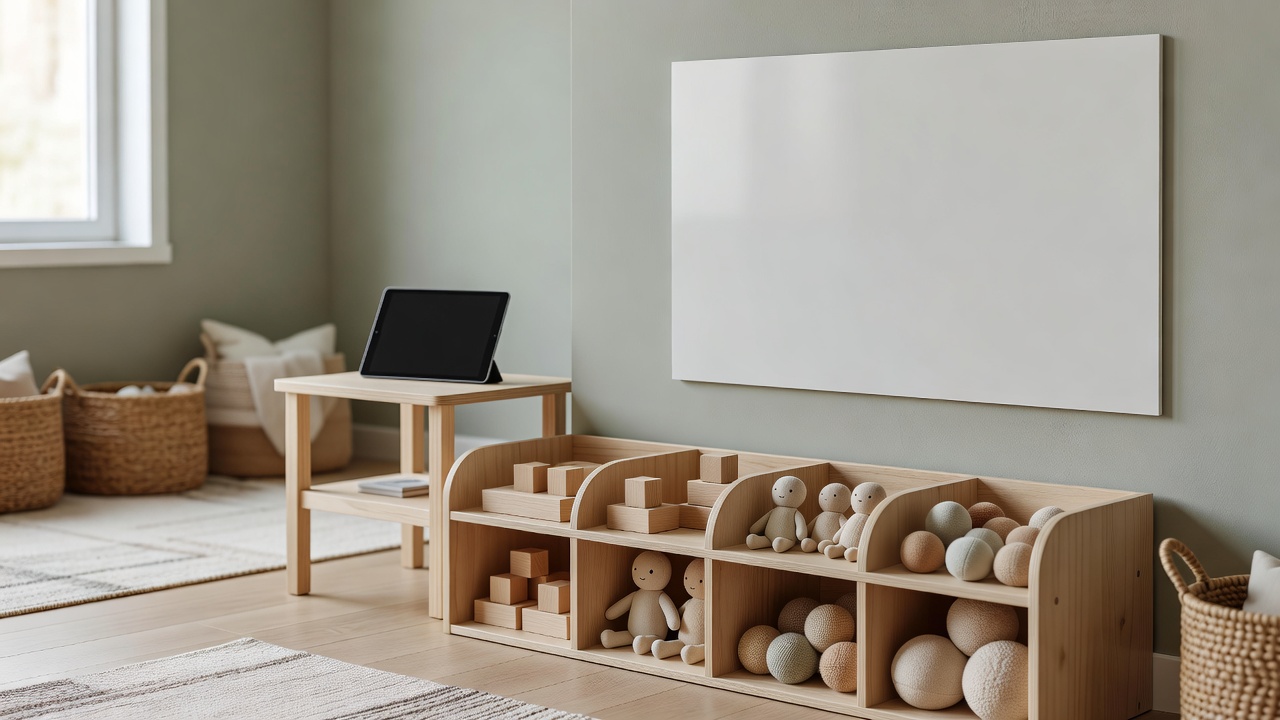
Toy Zone Labels Printable for Daily Neat Play
Parents often watch toys spill across the floor by noon and wonder how to keep things in place without daily battles. Printable toy zone labels give you a fast way to mark spots so everyone knows where things belong. You can finish the whole setup in about five minutes and see the difference the same day.
Key takeaways
- Clear zones cut toy scatter in half for most families
- Instant download labels work on shelves or bins
- A quick weekly reset keeps the system running
- Age-right zones support real milestones without extra stuff
- Rotation becomes simpler once every item has a pictured home
Why Clear Zones Matter for Everyday Play
When toys have designated spots, kids naturally return items after play. This simple habit leads to calmer spaces and less time spent hunting for missing pieces. Many parents notice mornings feel lighter once zones stay marked.
You can link this idea to a shelves vs bins setup that pairs well with labels for quick resets. The result is happier everyday play because children see boundaries without needing constant reminders. Over time the labels become part of the routine rather than another task.
Picking the Best Printable Labels
Choose labels that match your storage style. Paper ones work for light use while laminated versions hold up to toddler hands. Look for designs that list both the zone name and a simple picture.
- Bold text for quick glances
- Weatherproof material for playrooms
- Neutral colors that blend with your space
- Extra blanks for future zones
- Rounded corners to prevent peeling edges
- Matte finish so glare does not hide the words
Step-by-Step 5 Minute Setup
Follow these steps to place your toy zone labels printable right away.
- Walk the room and note current toy spots
- Print and cut the labels you need
- Stick them at eye level for your child
- Sort a few toys into each zone
- Walk through once with your toddler
- Adjust placement if any label sits too high
This method keeps the process short and repeatable. You can reuse the same labels across seasons without starting over.
Matching Labels to Age Groups
Different stages need different zone focus. Babies do best with soft items in one low area while toddlers gain from blocks and vehicles in separate spots.
- 0-6 months: one soft play zone
- 6-12 months: reach-and-grasp corner
- 12-24 months: building and push toys
- 2-3 years: dress-up and small world areas
- Add a quiet book zone once reading interest appears
See how seasonal toy rotation can refresh these zones without buying more. The same printable set works across every stage because you simply move the labels when interests shift.
Zone Planning Guide for Small Homes
A zone planning guide helps you decide how many areas fit your square footage. Start by measuring the play space and grouping toys by type rather than by brand. This prevents overlap and keeps the room feeling open.
- Measure floor space first, then assign one zone per three feet of wall
- Place noisy zones away from quiet reading spots
- Keep art supplies near a table so cleanup stays contained
- Test the layout for one week before printing final labels
- Swap zones seasonally if weather changes indoor time
- Use vertical space for books so floor zones stay clear
An apartment play guide shows how the same labels work in smaller homes. Parents report that planning zones this way cuts evening reset time from twenty minutes to under ten.
Label Materials Compared
| Material | Durability | Best For | Cost Level |
|---|---|---|---|
| Paper | Low | Short-term trials | Free to low |
| Laminated | High | Daily toddler use | Medium |
| Magnetic | Medium | Metal shelves | Medium |
| Vinyl | High | Bins and walls | Low to medium |
Daily Reset That Keeps Zones Neat
A short reset at the end of play prevents buildup. Use the labels as your guide so the task feels automatic rather than overwhelming.
- Return items to their pictured spot
- Wipe any label edges once a week
- Swap one toy set if interest fades
- Check for broken pieces to remove
- Note which zones get used most
- Straighten any tilted labels before bedtime
- Empty one zone completely if it feels crowded
An apartment play guide shows how the same labels work in smaller homes. The five-minute habit adds up to calmer mornings because the room stays ready for the next day.
Common Label Mistakes to Skip
Avoid these traps that make zones less useful over time.
- Placing labels too high for little eyes
- Using too many colors that confuse kids
- Forgetting to update zones as your child grows
- Leaving labels on during deep cleans
- Overloading a single zone with mixed toy types
A minimalist toy set approach helps you decide what truly belongs in each zone. When you skip the extras the labels stay meaningful instead of becoming background noise.
How Labels Support Safer Toy Choices
Clear zones also make it easier to spot hazards fast. You can check age labels on toys while sorting and remove anything that no longer fits the stage. This habit pairs with guidance from the CPSC toy safety page and the American Academy of Pediatrics toy tips. Many parents add a quick scan of the Zero to Three toy guidelines once a month to stay current with developmental needs.
Next Steps for Your Play Space
Print your first set of toy zone labels printable tonight and test one zone tomorrow morning. Adjust as you watch how your child uses the space. Small tweaks lead to the calm system that fits your home.
Next steps
- Choose three zones and print labels this evening
- Walk the room with your child and explain each spot
- Set a phone reminder for the weekly five-minute reset
- Track which zones stay tidy longest and refine from there
- Share the printable file with a friend who needs the same calm
FAQ
How long do the labels last?
Laminated versions often stay clear for a full year with regular play. Paper ones work for quick trials and can be reprinted fast.
Can I use these labels on bins only?
Yes. The designs fit both shelves and bins so you can choose what matches your setup best.
Do I need special paper to print them?
Regular printer paper works for starters. Cardstock or laminate sheets add strength if you have a laminator at home.
How often should I change the zones?
Review zones every three months or when your child shows new interests. Seasonal swaps keep play fresh without extra cost.
Are these labels part of a bigger guide?
They pair well with our parent-tested rotation tools that you can finish in one evening for lasting calmer play.