Low Energy Toys for Toddlers After Daycare Calm Picks
9/14/2026
Low Energy Toys for Toddlers After Daycare Calm Picks
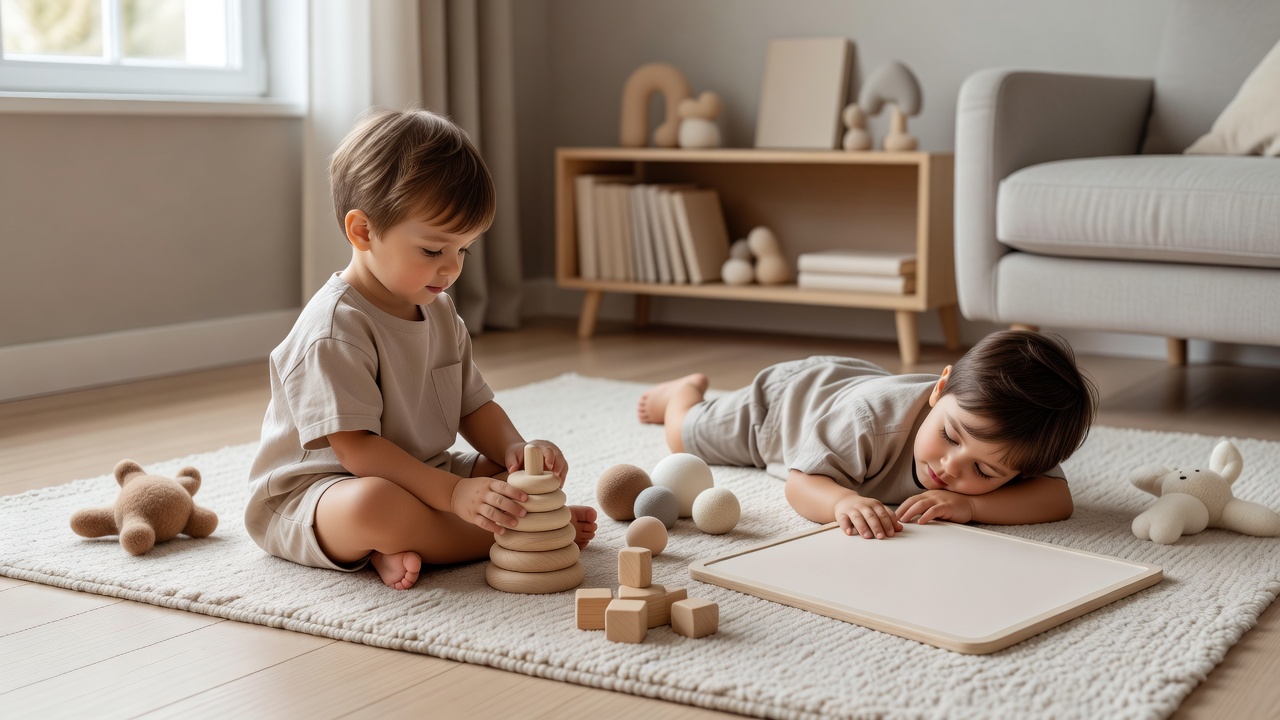
You pick up your toddler and they seem wiped out, yet they still want to play. Low energy toys for toddlers give them a gentle way to settle without adding more stimulation. These picks support real wind-down time while keeping the play space calm.
Key takeaways
- Focus on quiet, hands-on options that match low energy levels
- Set up a simple evening zone with just a few items
- Rotate toys weekly to avoid clutter
- Skip anything with lights, sounds, or bright colors after 4 pm
- Use a 10-minute reset before bedtime to tidy up
Why Low Energy Toys Help After Daycare
Daycare fills the day with noise, movement, and group play. When your child gets home, their body often needs slower activities to recharge. Low energy toys for toddlers let them process the day without extra excitement. Parents notice that gentle options reduce evening meltdowns. A soft book or stacking set keeps hands busy while the mind rests. You can read more about matching toys to your child's mood in Toys for Toddler Personality: Match Without Overwhelm.
The Centers for Disease Control and Prevention guidelines on toddler development note that calm, focused play after high-stimulation periods supports better emotional regulation. This matches what many parents see when they swap out busy toys for quieter ones right after pickup.
Signs Your Toddler Needs Gentle Play
Watch for these cues right after pickup:
- Rubbing eyes or yawning often
- Clinging more than usual
- Quick frustration with normal tasks
- Zoning out during conversation
- Asking for the same comfort item repeatedly
These signals show the nervous system is ready for calm input. A quick check like this helps you choose the right toy before the evening rush starts. If your child shows two or more of these signs on most days, it is worth testing a consistent low energy setup for a week.
Gentle Toy Ideas That Actually Work
Here are parent-tested low energy toys for toddlers that fit tired evenings:
- Soft cloth books with simple pictures
- Wooden stacking rings or cups
- Play dough in one color only
- Large puzzle pieces with 4-6 shapes
- Fabric dolls or animals for quiet cuddling
- Magnetic tiles used flat on the floor
- Sensory bottles filled with calm colors
Keep the list short so you do not overwhelm the space. Three items max usually works best for this time of day. For example, one parent found that offering only the stacking cups and one book cut evening arguments in half within three days.
How to Set Up an Evening Calm Play Space
Create one small zone near the main living area. Use a low shelf or mat that signals "this is the quiet spot." Place the toys in open bins so your child can see choices without digging. Label the zone with printable tags so everyone in the house knows the rules. You can grab Toy Zone Labels Printable for Daily Neat Play to make setup faster. A five-minute tidy at the end of the evening keeps the area ready for tomorrow.
Comparison of Toy Types for Evening Use
| Toy Type | Energy Level | Best For | What to Watch |
|---|---|---|---|
| Soft books | Low | Wind-down reading | None |
| Stacking cups | Low | Fine motor focus | Small pieces if under 18 months |
| Single-color dough | Low | Calm sensory play | Salt content if mouthed |
| Bright electronic toys | High | Morning only | Lights and sounds |
| Large floor puzzles | Low | Sitting and matching | Too many pieces |
This table shows why simple items win after a long day. High-energy options belong in the morning rotation instead. The U.S. Consumer Product Safety Commission toy safety page reminds parents to check for small parts that could pose choking risks, especially when energy is low and supervision might slip.
Daily Reset Routine That Fits Real Life
Follow these steps each evening:
- Clear the floor of anything used during the day
- Swap in two low energy toys for toddlers from your evening bin
- Dim the lights in the play zone
- Sit nearby for the first five minutes to model quiet play
- Give a five-minute warning before cleanup
- Store toys back in the labeled spot
The whole routine takes under 15 minutes once you practice it a few times. It prevents toy piles from growing overnight. One family tracked their resets for two weeks and found the average time dropped from 14 minutes to 8 minutes after the first week.
Building a Simple Inventory to Track Evening Toys
A short inventory helps you see which low energy toys for toddlers actually get used. Start with a single sheet that lists the items in your evening bin. Note the date you last rotated each one and how long your child played with it. Update the list in ten minutes once a week using the method in Toy Inventory List You Can Update in Ten Minutes.
This habit reveals patterns quickly. You might notice your child reaches for the fabric doll every Tuesday but ignores the sensory bottle. Swap out the unused item for something similar from storage. The process keeps choices fresh without adding new purchases.
Add these details to your inventory sheet:
- Toy name and material
- Approximate play time observed
- Any safety notes like loose parts
- Date last rotated
- Child's mood after using it
Review the sheet monthly. If an item shows zero play time for three weeks, move it to daytime rotation or store it longer.
What to Skip in the Evening
Avoid these common items after daycare:
- Anything that makes noise or lights up
- New toys that require instructions
- Sets with dozens of small pieces
- Ride-on toys or balls that invite running
- Screens of any kind
These choices add stimulation when your child needs the opposite. You can learn more about slow toy introductions in Introduce New Toys Slowly to Keep Play Focused.
Building Longer-Term Calm with Rotation
A weekly swap keeps the same low energy toys for toddlers feeling fresh. Store the rest in a closet and bring out only what matches the current energy level. This method cuts clutter and helps you notice which items your child actually reaches for. For families with older toddlers, a simple PDF guide gives stage-by-stage lists that match routines for independent play. Check PDF Guide for 3 Year Olds: Routines for Independent Play if your child is moving past the toddler stage soon.
Next Steps You Can Try Tonight
- Pull out three low energy toys right now and test them this evening
- Print or label one quiet zone before tomorrow
- Note which toy your child chooses first and keep it in the rotation
- Plan a 10-minute reset into your normal bedtime flow
These small changes add up to calmer evenings without buying anything new. The American Academy of Pediatrics highlights that consistent, low-stimulation play routines help toddlers transition more smoothly from daycare to home.
FAQ
How many toys should I offer after daycare?
Start with two or three low energy toys for toddlers. More choices often lead to quick frustration when energy is low.
Do these picks work for different ages?
Yes. Adjust size and complexity: cloth books for younger toddlers, simple puzzles for older ones. The key is keeping the energy level gentle.
What if my child still wants to run around?
Offer a short outdoor walk first, then move to the calm zone. The transition usually settles them within ten minutes.
Can I use the same toys every night?
Rotate two sets weekly. This keeps interest high while still limiting the total number of items out at once.
Where can I find more parent-tested tools?
Our guides at Little Baby Toys focus on simple checklists and rotation methods that fit busy evenings.