Toys for Sharing That Cut Toddler Fights
8/31/2026
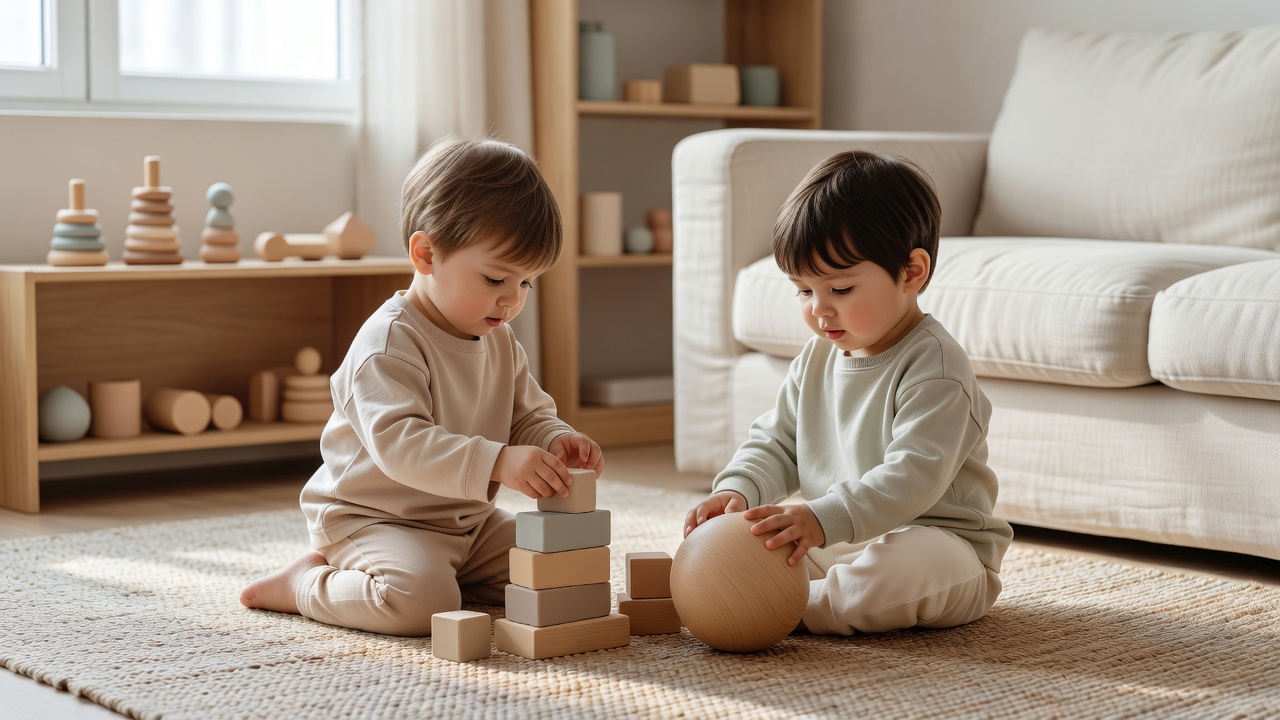
Toys for Sharing That Cut Toddler Fights
You watch two toddlers circle the same truck and wonder how long until the grab-and-scream starts. The right toys for sharing can change that scene into something calmer and more fun.
Key takeaways
- Choose open-ended toys that need two sets of hands
- Set up a simple rotation so favorites stay fresh
- Keep rules short and repeat them often
- Swap toys with other parents to refresh options without buying more
Why Some Toys Spark Sharing Instead of Fights
Toys that invite turn-taking work better than single-use items. Think blocks, simple cars with tracks, or stacking cups that two kids can build together. These choices give each child a role, so no one feels left out. Open-ended play also supports language growth because kids naturally narrate what they are doing side by side.
A quick rotation system keeps interest high. When you swap half the toys every week, the same set feels new again. Parents who use this method report fewer battles because every item stays age-right. You can track which toys hold attention longest by jotting a quick note on your phone after each play session.
According to the Centers for Disease Control and Prevention, toddlers develop social skills through everyday interactions like taking turns during play. Their positive parenting tips for toddlers highlight how simple shared activities build cooperation without pressure.
Five Toys That Naturally Teach Turn-Taking
- Large floor blocks that need two builders
- A small wagon both kids can pull
- Soft balls for rolling back and forth
- Simple puzzles with duplicate pieces
- Wooden trains that connect on shared tracks
Start with two or three of these. Add one new item only when the first set feels settled. Watch how your children use them for a few days before introducing anything else.
How Play Builds Social Skills Over Time
Sharing does not happen overnight. Between 12 and 18 months most toddlers still see toys as extensions of themselves. By 24 months many begin to notice when another child waits. At 30 to 36 months they can often manage short turns with gentle reminders.
You can support this timeline by offering toys that reward patience. A set of nesting cups, for example, lets one child stack while the other hands over the next piece. The activity itself teaches the rhythm of give and take.
The U.S. Consumer Product Safety Commission reminds parents to check for small parts that could become choking hazards during active play. Their toy safety guidelines list age labels and material standards that help you choose items both children can handle safely.
How to Set Up a Calm Sharing Corner
Pick one low shelf in the play area. Place just four to six toys on it. Keep everything else in another room until rotation day. This visual limit reduces the urge to claim every item at once.
Label the shelf with pictures so your toddler knows what belongs there. This small step cuts arguments over “whose turn” because the space itself signals shared use. If space is tight, an apartment play guide shows how to create the same calm corner without extra bins.
Quick Rotation Method That Actually Works
- Choose a Sunday evening once a week
- Remove half the toys from the corner
- Add items that have been stored away
- Wipe surfaces while you switch
- Watch which toys get used most the next day
Repeat the same five steps every week. The routine stays under ten minutes once you get used to it. Over a month you will notice certain toys cycle back into favor while others lose appeal.
Comparison: Toy Types for Sharing
| Toy Type | Sharing Ease | Mess Level | Best Age | Example Use |
|---|---|---|---|---|
| Floor blocks | High | Low | 18-36 mo | Two kids build one tower |
| Single plush toy | Low | Low | Any | One child claims it |
| Rolling cars | Medium | Medium | 12-30 mo | Race and swap on a track |
| Duplicate cups | High | Low | 9-24 mo | Both fill and pour together |
When to Skip a Toy That Causes Trouble
Some items simply do not support sharing yet. Skip anything that has only one moving part or lights up for one user. Those pull all attention to a single child.
If fights still happen, rotate the toy out for two weeks. You can always bring it back later when both kids are ready. A quick check of secondhand finds also helps; follow the five-step process in the check secondhand toys guide before adding anything new.
Simple Scripts You Can Say Today
- “Your turn next, then hers.”
- “We build together on the big mat.”
- “One toy at a time, then we switch.”
Say the line once, then step back. Short reminders work better than long explanations. Consistency matters more than perfect wording.
Do's and Don'ts for Sharing Time
- Do keep the toy count low so choices feel manageable
- Do praise the act of waiting even if it lasts only ten seconds
- Do model the behavior by taking turns with a stuffed animal
- Don't force a toy back into rotation the same day it caused trouble
- Don't compare one child to the other during play
- Don't add new toys when emotions are already high
Try a Toy Swap With Other Parents
A toy swap with other parents gives you fresh options without adding clutter. Meet once a month, trade three toys each, and bring home items your child has not seen before.
This keeps toys age-right and cuts the urge to buy new ones every time a fight breaks out.
PDF Guide for Siblings 0-3
If you have more than one child in the house, grab the PDF guide for siblings 0-3. It shows how to pick toys that work across stages without overlap.
Skip These Toys at Age Three
Some toys lose their sharing value by age three. Check the list in skip these toys at age three before you add anything new.
Compare Rotation Systems First
A simple rotation often beats buying a big minimalist set. See the trade-offs in minimalist toy set vs rotation before you change your whole setup.
Quiet Time Toys Setup
Add a low-stimulation corner with the quiet time toys setup so each child has a calm spot when sharing feels too much.
Next Steps You Can Start Tonight
- Pull four toys that need two kids and place them on one shelf
- Write the five-step rotation on a sticky note
- Pick one short script to practice this week
- Check the sibling PDF if you have more than one child
Do one of these tonight. Small changes add up fast.
FAQ
What age should I start teaching sharing?
Most toddlers begin to understand simple turns around 18 months. Start with duplicate toys so each child has something to hold.
How many toys should stay out at once?
Four to six items works well for two toddlers. More than that usually leads to choice overload and fights.
Do I need special sharing toys?
No. Everyday items like blocks and balls already invite turn-taking. The key is keeping the selection small and rotating often.
What if one child always grabs first?
Use the short script “Your turn next” and physically guide the second child to wait. Consistency matters more than perfect words.
Can a PDF guide really help?
Yes. The instant download gives you stage-by-stage lists and printable labels so you spend less time guessing and more time playing.