Travel Toy Bag Setup for Calm One-Bag Trips
9/6/2026
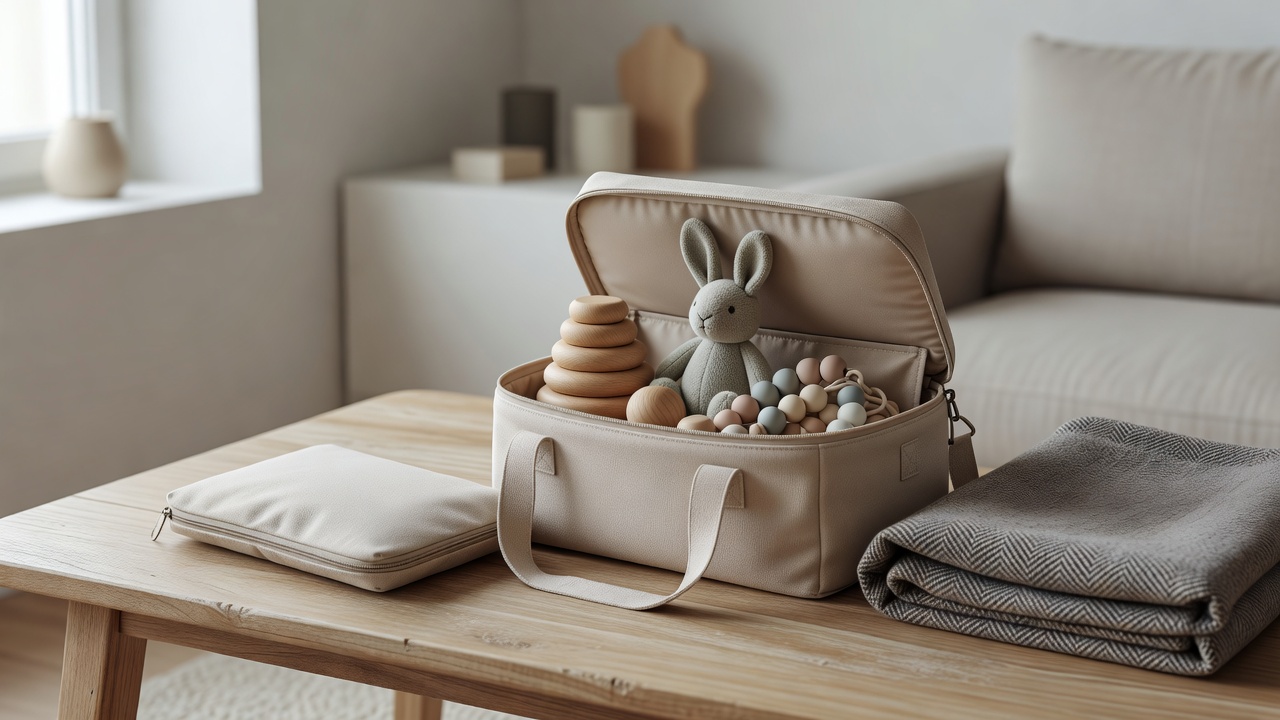
Travel Toy Bag Setup for Calm One-Bag Trips
You know the drill. A trip starts fine until the toys spill everywhere and your toddler melts down. A single travel toy bag fixes that by keeping choices limited and play focused.
The goal is simple: pack safer toy choices that match your child's stage, support real milestones, and fit inside one small bag. This setup uses the same calm system you already like at home, just scaled for the road.
Key takeaways
- One bag cuts decision fatigue for you and overstimulation for them.
- Focus on 6-8 versatile items max.
- Rotate what stays home based on age and trip length.
Why One Bag Keeps Travel Play Calm
A travel toy bag works because it forces limits. When everything lives in one spot, kids pick faster and you reset faster at the end of the day. Busy parents often notice that fewer options lead to longer stretches of independent play, which means more breathing room during flights or car rides.
Parents who use minimalist toy set vs rotation ideas report fewer fights and quicker naps on the go. The same logic applies here because the bag acts as a portable boundary that prevents toy sprawl across hotel rooms or back seats.
Choose a Bag That Fits Your Real Life
Skip fancy cases. A simple tote or small backpack you already own works best. Look for features that survive real travel, like durable straps and easy cleaning after snack spills.
- Lightweight nylon or canvas
- One main compartment plus two small pockets
- Shoulder strap or handles for quick grabs
- Machine-washable lining
- Zipper that closes fully to contain small pieces
Test the empty bag first. It should feel light on your shoulder even before toys go in, and it should slide under an airplane seat without extra bulk.
Pick Calm Travel Toys That Actually Travel Well
The best items are quiet, open-ended, and safe for the age you have right now. Aim for six to eight pieces total so the bag stays light and choices stay manageable. Parents often wonder which toys actually help a child grow and which ones just add to the mess on the move.
Here is a starter list broken by stage:
0-12 months
- One soft teether
- Two fabric books
- One rattle that clips to the bag
12-24 months
- Two stacking cups
- One wooden puzzle with 4-6 pieces
- One soft doll or animal
2-3 years
- One set of three chunky crayons and a small pad
- Two small cars or figures
- One shape sorter
You can find more personality-matched picks in our toys for toddler personality guide. For apartment-style small spaces on the road, the apartment play guide offers extra ideas that translate directly to hotel corners.
Pack Using a Simple 10-Minute Checklist
Follow this order every time so nothing gets left behind or overpacked. The routine takes the guesswork out of last-minute prep.
- Lay out the empty bag.
- Add the three quietest items first.
- Tuck in one comfort item your child loves.
- Add the two most open-ended toys.
- Check the side pocket for wipes and a small snack.
- Zip and weigh it on your arm.
Repeat the same sequence before every trip and it becomes automatic. This checklist also pairs well with the PDF guide for 3 year olds when your child is older and ready for more independent routines.
Compare Toy Types for Travel
| Toy Type | Travel Fit | Noise Level | Age Range | Reset Time |
|---|---|---|---|---|
| Soft books | Excellent | Low | 0-3 years | Under 1 minute |
| Stacking cups | Good | Low | 6-24 months | 2 minutes |
| Wooden puzzles | Good | Low | 12-36 months | 3 minutes |
| Crayons & pad | Fair | Low | 18+ months | 4 minutes |
| Plastic figures | Poor | Medium | 2-3 years | 5 minutes |
Stick to the top two rows for most trips. The table shows clear trade-offs so you can decide what fits your child's current milestones without adding extra weight.
Rotate Items Before You Leave
Do not take every favorite toy. Use a quick home rotation first. This step keeps the bag from becoming a catch-all and prevents the common problem of toys that get ignored once you arrive.
- Pull three toys your child has ignored lately.
- Swap them into the travel bag.
- Leave the rest in the regular seasonal toy rotation system.
This keeps everything fresh and prevents the "I want that one at home" meltdown. The method works especially well when combined with the shelves vs bins playroom ideas for quick resets back at home.
Manage Play During Long Travel Days
Long days in the car or on planes need extra structure beyond the basic bag. Break the journey into short play blocks so attention stays steady and meltdowns stay rare.
Start with a 15-minute quiet activity, then switch to a movement break if space allows. Keep one item reserved as a surprise for the final stretch. Parents who plan these blocks notice kids stay calmer because the limited toys feel new again after each pause.
Use the same six-to-eight item rule but add a small cloth for a quick floor mat. This new section builds on the core bag by giving you timing tools that fit real schedules like four-hour drives or layovers.
Set Up a Portable Play Spot at Your Destination
Once you arrive, create one small zone. The spot keeps toys contained so the rest of the room stays tidy for everyone.
- Spread a light blanket on the floor.
- Place the open bag in the center.
- Add one quiet time toy from the quiet time toys setup guide.
The bag itself becomes the boundary. When play ends, everything goes back inside in under five minutes. This approach mirrors the calm systems in our toys for sharing guide when siblings travel together.
Keep It Safe With Quick Label Checks
Before you zip the bag, run through these safety steps. Simple checks prevent issues on the road where you may not have backup options.
- Check every toy for loose parts.
- Confirm age labels match your child.
- Skip anything with small magnets or strings longer than six inches.
- Wipe surfaces with a baby-safe cloth.
You can review full safety basics from the CPSC toy safety page, the AAP toy selection tips, and the CDC parent travel essentials.
Reset the Bag in Five Minutes on the Way Home
On the return trip, use this list to avoid bringing home extra mess. A fast reset means you start the next trip with a clean slate.
- Empty and shake out crumbs.
- Wipe the inside with a damp cloth.
- Let it air dry overnight.
- Restock only what actually got used.
- Store the bag on a high shelf until the next trip.
Next Steps for Your First Travel Toy Bag
- Grab a bag you already own tonight.
- Choose six toys using the stage list above.
- Pack it using the six-step checklist.
- Test it on a short outing this weekend.
- Adjust based on what your child actually reaches for.
- Add the long-day timing blocks for your next big trip.
Little Toys, Real Joy comes from keeping the system small and repeatable.
FAQ
How many toys should go in a travel toy bag?
Six to eight items maximum. That number keeps choices manageable and the bag light.
What if my child gets bored halfway through the trip?
Rotate two items out each day. The limited selection actually helps them focus longer on what remains.
Can I reuse the same travel toy bag for every trip?
Yes. The same bag works year-round once you adjust the toys for age and season.
Do I need to buy special toys just for travel?
No. Use toys you already own. The travel toy bag is about curation, not new purchases.
How do I stop toys from getting lost in the car or hotel?
Keep everything inside the one bag at all times. The bag becomes the home base for every toy on the trip.